
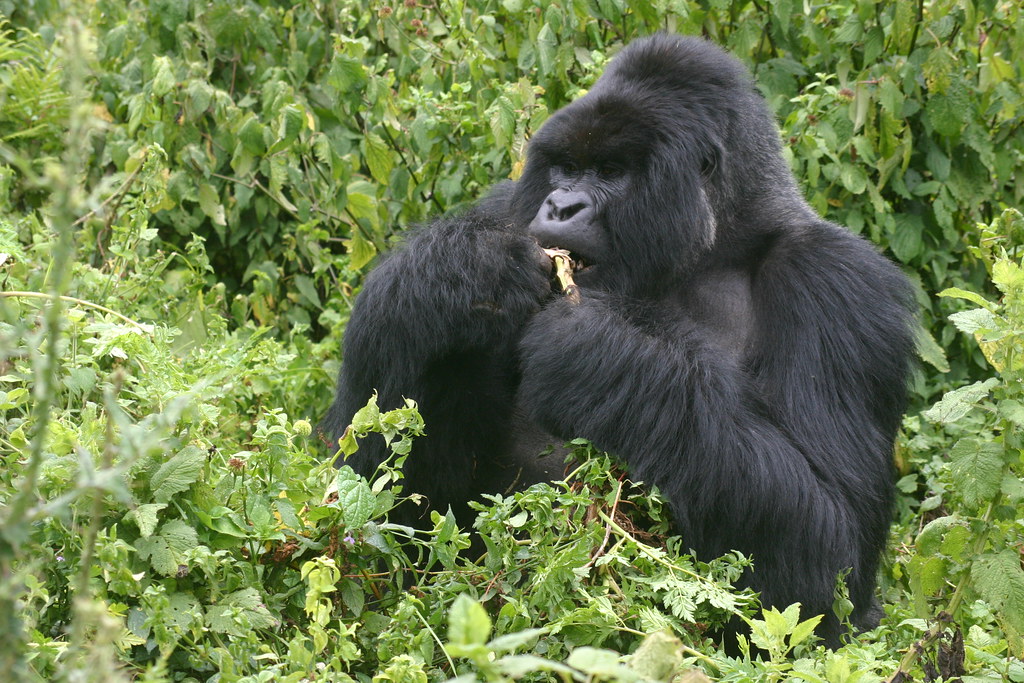
Uganda packs four of East Africa’s most rewarding wildlife experiences into a country roughly the size of Oregon: mountain gorilla trekking in Bwindi Impenetrable National Park, chimpanzee tracking in Kibale Forest, big-game drives in Queen Elizabeth National Park, and a genuinely rich savannah-to-rainforest transition along the way. That compactness is what makes a 7-day Uganda safari work as a complete trip rather than a rushed sample — you are never more than half a day’s drive from your next park gate.
Why Seven Days Is a Popular Middle Ground
A week is long enough to add a genuinely separate third destination — Kibale Forest National Park for chimpanzee tracking — alongside gorillas and Queen Elizabeth’s game drives, without the trip stretching into a full two-week circuit. It is the length most repeat East Africa travellers choose when gorillas are the centrepiece but they refuse to fly home having only seen one park.
Day 1: Entebbe to Bwindi Impenetrable National Park
Most 7-day itineraries begin with a transfer from Entebbe International Airport, either by road (roughly 8 to 9 hours to the southwestern sector gates) or by scheduled light aircraft into Kihihi or Kisoro airstrip, cutting the journey to around ninety minutes in the air plus a short drive. You check into your lodge near whichever Bwindi sector you’re permitted for — Buhoma, Ruhija, Rushaga or Nkuringo — with enough daylight left for an evening briefing on trekking etiquette before the following day’s trek.
Day 2: Gorilla Trekking in Bwindi
This is the day the whole trip is built around. You report to the park headquarters for your sector by 7:30am for a briefing from Uganda Wildlife Authority rangers, who assign trekking groups to specific habituated gorilla families that morning based on fitness level and where each family was last located. The trek itself can run anywhere from 30 minutes to six hours each way through genuinely dense, humid, often muddy rainforest. Once you find the family, you get a strict one hour with them, watching them feed, groom and move as a group at a distance of around seven metres.
Day 3: Transfer to Queen Elizabeth National Park via Ishasha
The drive north is routed through the Ishasha sector, known for its tree-climbing lions that rest in the branches of fig trees during the heat of the day — a genuinely unusual sighting most visitors don’t expect from an African safari. It’s a scenic, unhurried transfer day rather than a packed activity day, arriving at your Queen Elizabeth lodge in the afternoon.
Day 4: Kazinga Channel Boat Cruise and Game Drive
A full day split between two very different ways of seeing wildlife. The morning boat cruise along the Kazinga Channel reliably delivers some of the highest hippo and Nile crocodile density anywhere in Uganda, plus strong birdlife along the banks. The afternoon game drive crosses the open savannah of the Kasenyi plains for elephant, buffalo, Uganda kob and, with some luck, lion.
Day 5: Transfer to Kibale Forest National Park
A drive north to Kibale, often called Africa’s primate capital, home to thirteen primate species including a large, well-habituated chimpanzee population. The transfer takes most of the day, with time on arrival to settle in before the following morning’s tracking permit.
Day 6: Chimpanzee Tracking in Kibale
A morning chimp tracking permit, following a habituated community through Kibale’s dense forest, with the option of the longer half-day Chimpanzee Habituation Experience for travellers who want more than the standard one-hour visit. The afternoon is well spent at nearby Bigodi Wetland Sanctuary, good for birding and monkey sightings on a community-run boardwalk.
Day 7: Return to Entebbe
A road transfer back to Entebbe, roughly five to six hours from Kibale, timed against your onward international flight.
Who This Itinerary Suits
Travellers who want the classic ‘big three’ Uganda combination — gorillas, big game, and chimpanzees — in one coherent week-long loop, without the longer commitment a full two-week circuit demands.
What to Budget
Expect the Uganda gorilla trekking permit (currently 800 US dollars per person, payable to the Uganda Wildlife Authority) and the Kibale chimpanzee tracking permit (roughly 250 US dollars) to be the two largest line items, on top of six nights of lodging across three parks, road transfers throughout, and park entry and boat cruise fees in Queen Elizabeth. A porter for trekking day is optional but genuinely worth hiring — it supports the local trekking economy around Bwindi and takes real weight off a demanding forest walk.