
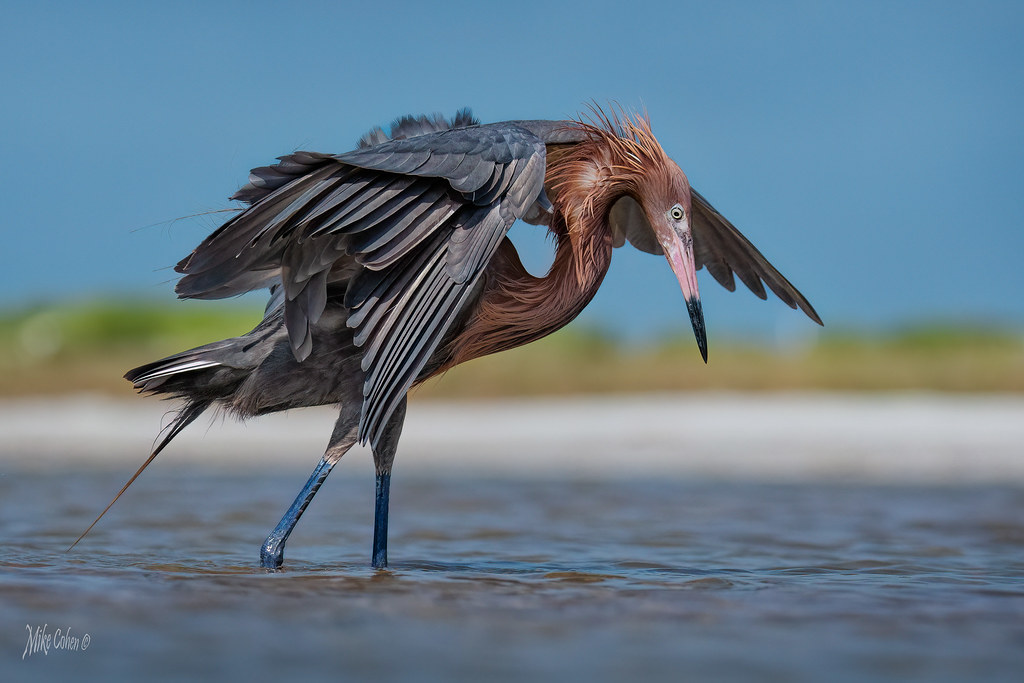
Bird Watching in Queen Elizabeth National Park
Queen Elizabeth National Park, Uganda’s most iconic and diverse savannah reserve, is not only famous for its tree-climbing lions and scenic crater lakes but also stands as a paradise for bird watchers from around the world. With more than 600 recorded bird species, it is one of Africa’s richest birding destinations – a mosaic of wetlands, open savannahs, forests, and lakeshores that host an astonishing variety of avian life. Whether you’re a professional ornithologist or a passionate traveler with a love for nature, bird watching in Queen Elizabeth National Park is an experience that reveals the soul of Uganda’s wilderness.
A Birding Haven of Habitats
Stretching from the Kazinga Channel to the Rwenzori foothills and Lake Edward plains, the park’s landscape provides a patchwork of ecosystems that attract both resident and migratory species. Its wide range of altitudes – from 910 to over 1,390 meters above sea level – supports an exceptional diversity of birds, including both East African savannah species and Central African forest birds.
The Kazinga Channel, Maramagambo Forest, Ishasha sector, and the Mweya Peninsula are among the best birding spots within the park. The tranquil waters of the Kazinga Channel, connecting Lake George and Lake Edward, are fringed with papyrus and acacia woodland – a thriving refuge for aquatic birds, raptors, and waders. Here, every boat ride turns into a moving bird hide, offering close-up encounters with species that define Uganda’s birding brilliance.
Birds of the Kazinga Channel
The Kazinga Channel is often the highlight for bird watchers. Along its papyrus-lined banks, one can spot the African skimmer, great white pelican, saddle-billed stork, yellow-billed stork, African jacana, pink-backed pelican, long-tailed cormorant, and grey-headed gull. The channel is also a sanctuary for the elusive shoebill stork, a prehistoric-looking bird that ranks high on every birder’s wish list.
As you drift silently in a launch boat, the air comes alive with calls of malachite kingfishers darting over the water, African fish eagles soaring above, and flocks of spur-winged lapwings scurrying along the shores. It’s a serene yet thrilling experience – a living orchestra of wings, water, and wilderness.
Maramagambo Forest – The Woodland Sanctuary
In contrast to the open plains, Maramagambo Forest offers a cooler, shaded habitat that supports an entirely different avian community. Bird watchers exploring this tropical forest often encounter white-tailed ant thrushes, forest flycatchers, chestnut wattle-eyes, African emerald cuckoos, and the vibrant black-headed gonolek.
The forest canopy hums with the chatter of greenbuls, sunbirds, and woodpeckers, while the undergrowth hides shy species like the white-spotted flufftail. Walking trails, guided by local bird experts, make it easy to spot both canopy and ground dwellers in this dense and captivating environment.
Mweya Peninsula – Raptors and Water Birds
The Mweya Peninsula, surrounded by the Kazinga Channel and Lake Edward, is another birding hotspot. Its open savannahs, acacia woodlands, and lake edges create a perfect habitat for raptors such as martial eagles, bateleurs, grey kestrels, and lizard buzzards.
Along the shores, you’ll find spur-winged geese, knob-billed ducks, Egyptian geese, and African open-billed storks. Early morning or evening walks around Mweya Lodge and the jetty area often yield impressive sightings, especially when the light softens over the water and the birds gather to feed.
Ishasha Sector – Savannah Specials
The remote Ishasha sector, famous for its tree-climbing lions, also offers exceptional birding opportunities. This area’s grasslands and acacia woodland host savannah species like the grey-crowned crane (Uganda’s national bird), red-necked spurfowl, African wattled lapwing, flappet lark, and black-bellied bustard.
Raptors are also common here – brown snake eagles, tawny eagles, and black-shouldered kites often patrol the skies. The stillness of Ishasha, coupled with its scenic beauty, makes it an ideal area for peaceful birding excursions, especially for photographers who love wide, open backdrops.
Birding Seasons and Migratory Species
Bird watching in Queen Elizabeth National Park is rewarding all year round, but the most spectacular time is from November to April, when migratory species from Europe and northern Africa arrive. During this season, the park bursts with color and sound as local residents mingle with visitors such as white storks, black-tailed godwits, and Eurasian bee-eaters.
The dry seasons (June to September and December to February) are also ideal for birding, as water levels recede and birds congregate around the remaining pools and channels. Each season paints a different mood in the park, but the birdlife never disappoints.
Why Birders Love Queen Elizabeth National Park
Few parks in Africa offer such an effortless combination of birding and classic game viewing. In a single day, you can watch pelicans and skimmers on the Kazinga Channel in the morning, spot forest species in Maramagambo by noon, and end the day with raptors and cranes in the Ishasha plains. The diversity is overwhelming yet beautifully accessible, making Queen Elizabeth a must-visit destination for anyone serious about bird watching in East Africa.
A Symphony of Nature
In Queen Elizabeth National Park, birding is more than just spotting species – it’s an immersion into nature’s rhythm. From the haunting call of the fish eagle echoing across the channel to the fluttering wings of bee-eaters in flight, every sound and sight tells a story of life thriving in harmony. This park is not just a wildlife reserve; it’s a stage where color, sound, and movement perform in endless cycles of grace.