
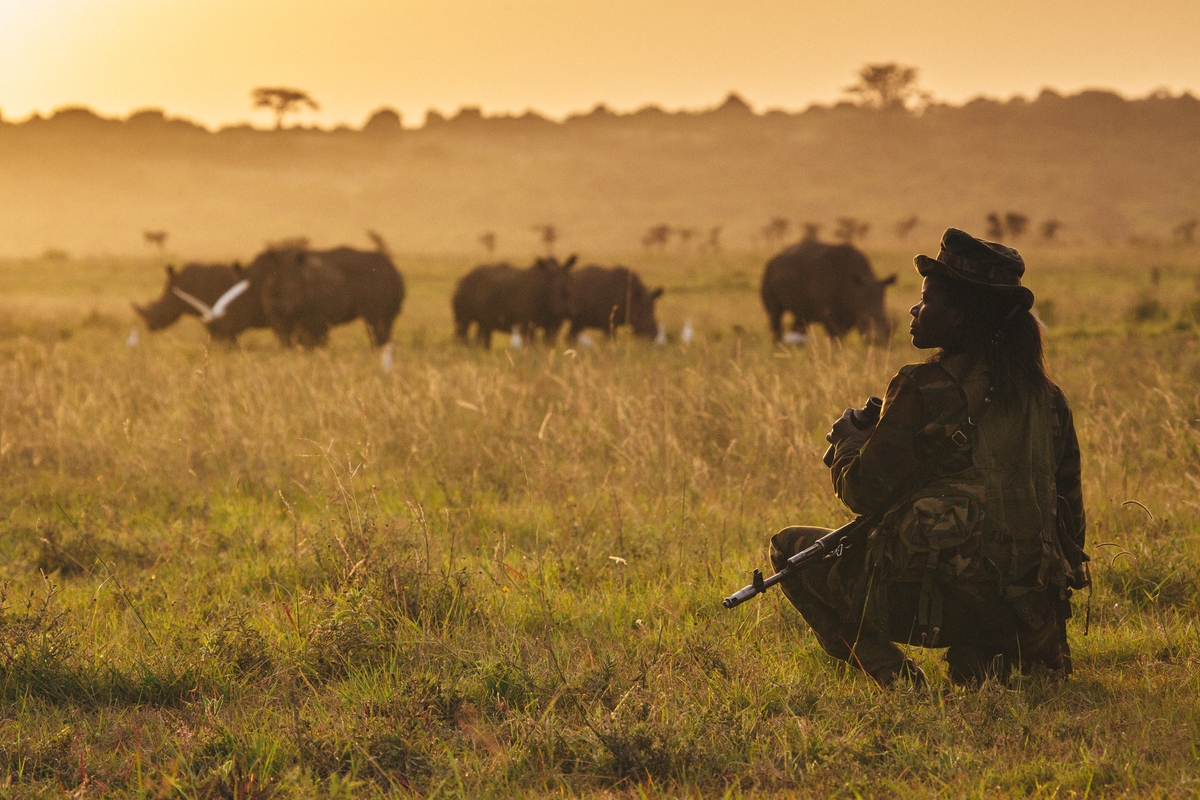
Family safaris in Uganda and Rwanda run into one fixed constraint before anything else: gorilla trekking has a strict minimum age of 15 in both countries, set by the wildlife authorities themselves, not something operators can waive. That single rule shapes everything about how a good family itinerary gets built – it’s less about finding “kid-friendly” versions of the same activities and more about deliberately splitting the itinerary so every age group has something that actually suits them.
The Age Rule That Shapes Everything
The 15-year minimum for gorilla trekking exists for practical reasons: treks can run several hours over steep, muddy terrain at altitude, and the close-proximity encounter itself requires a level of composure and disease-control awareness (no one showing cold or flu symptoms treks) that’s a harder ask of younger children. Chimpanzee tracking in Kibale Forest has a lower minimum age of 12, and golden monkey trekking in Rwanda’s bamboo zones is physically easier again, making it a realistic option for many families with children in the 8-to-12 range, though we always confirm a specific child’s fitness and temperament rather than relying on age alone.
Getting the age split right matters more than most families expect going in. A ten-year-old who’s an experienced hiker can sometimes handle a golden monkey trek’s gentler terrain comfortably, while an unusually anxious fifteen-year-old might genuinely struggle with a demanding Nkuringo gorilla trek despite meeting the minimum age on paper – which is why we ask specific questions about each child’s fitness and temperament rather than applying age cutoffs mechanically. For families wanting every member trekking together rather than splitting by age, chimpanzee tracking in Kibale is often the activity that makes this possible, given its lower age threshold and generally gentler trail conditions than a full gorilla trek. Where a family does split by age on a given day, we build the itinerary so everyone reconvenes for lunch or the evening rather than running on entirely separate schedules, keeping the trip feeling like one shared holiday rather than two parallel ones.
How We Split Activities by Age
A typical family itinerary splits into parallel tracks on trekking days: parents old enough to trek head into the forest for their gorilla or chimpanzee permit, while younger children join a guided nature walk, a visit to a local school or cultural centre, or simply relax at the lodge with supervised activities many properties offer. On non-trekking days, the whole family travels together – game drives in Queen Elizabeth National Park, the Kazinga Channel boat cruise, and the Nile boat trip below Murchison Falls are all genuinely enjoyable and safe for children of any age, with no minimum age restriction and plenty for younger travellers to spot and ask about.
Lake Mburo National Park, with its calmer wildlife (zebras, giraffes, impalas, no dangerous predators in high density) and shorter game-drive loops, works particularly well as a lower-intensity stop on a family itinerary, giving younger children a proper safari experience without the longer drive times of the bigger parks.
Family-Friendly Lodges
| Family suites / interconnecting rooms | Common at most mid-range and luxury lodges |
| Children’s menus | Available on request at nearly every property |
| Minimum trekking age (gorillas) | 15 years, Uganda and Rwanda |
| Minimum trekking age (chimpanzees) | 12 years, Kibale |
| Non-trekking activities | No minimum age (game drives, boat cruises) |
Many lodges we work with offer family cottages or two-bedroom units rather than requiring separate room bookings, which keeps costs down and means parents aren’t sleeping in a different building from younger children. We factor this into lodge selection specifically for family bookings rather than defaulting to standard double rooms.
What a Family Itinerary Actually Looks Like
A representative week-long family trip might open with two nights near Queen Elizabeth National Park for game drives and the boat cruise – activities the whole family does together – before moving to Bwindi, where parents trek for gorillas on one day while children join a forest walk or village visit, followed by a shared final day exploring Lake Mburo on the way back toward Entebbe. The exact structure flexes around the specific ages in your group and how many days you have, but the underlying logic – group activities on transfer and non-trekking days, split activities on trekking days – stays consistent.
Practical Considerations for Travelling with Children
Road transfers between parks can run long by younger children’s standards – five to eight hours isn’t unusual between some park combinations – so we build in stops at places like Ziwa Rhino Sanctuary or the equator crossing to break up longer drive days with something genuinely interesting rather than just a rest stop. Malaria prophylaxis and routine travel vaccinations should be discussed with a travel health provider well before departure, since requirements can differ for younger children. We also recommend confirming car seat availability directly with us in advance if travelling with a toddler, since not every vehicle in every fleet carries one by default. Altitude is another factor worth flagging for families heading to Ruhija or Volcanoes National Park specifically, both of which sit noticeably higher than Buhoma or the savannah parks – most children adjust without issue, but it’s worth mentioning to a paediatrician in advance if your child has any respiratory sensitivity.
Best Parks for Younger Children Specifically
Not every park suits every age equally. Lake Mburo, as mentioned, is the gentlest introduction to Uganda’s wildlife for younger children given its calm, open savannah and short game-drive circuits. Queen Elizabeth National Park’s Kazinga Channel boat cruise is a reliable favourite across age groups, since it requires no walking and delivers close, safe wildlife viewing – hippos, crocodiles, elephants coming to drink – from the deck of a boat. Murchison Falls appeals to slightly older children especially, given the genuine drama of the waterfall itself and the option of a short, guided hike to the top for children old enough to manage the terrain. Bwindi and Volcanoes National Park, by contrast, are built around the trek itself and have comparatively little for a family to do together beyond the surrounding lodge grounds, which is why we typically pair them with a lower-intensity park rather than building an entire family trip around Bwindi alone.
Educational Value for Children
Beyond the wildlife itself, several stops on a typical family itinerary carry real educational weight. Community and cultural visits – a Batwa cultural experience near Bwindi, a local school visit, or a craft demonstration – give children context for the people and communities living alongside these parks, not just the animals. Ranger-led talks at park headquarters, aimed at general visitors but genuinely engaging for curious children, cover conservation history and the specific threats facing mountain gorillas, turning what could be a passive wildlife-viewing trip into something with real substance for school-age children old enough to engage with the material.
Packing Considerations for Families
Beyond the standard safari packing list – neutral-coloured clothing, sun protection, insect repellent – travelling with children adds a few specific considerations. A basic first-aid kit with children’s-dose medication for common travel ailments is worth carrying independently of what a lodge might stock, since remote lodges aren’t always close to a pharmacy. Entertainment for long transfer days matters more with children than with adult travellers – books, tablets loaded in advance, or simple travel games help considerably on the five-to-eight-hour drives between some parks. We also recommend packing a change of clothes in hand luggage for any day involving a boat cruise or forest walk, given how easily younger children end up damp or muddy.
Frequently Asked Questions
Can young children go on any part of a gorilla trek?
No – the 15-year minimum is enforced at park headquarters with ID checks, not just a guideline. Children under 15 cannot enter the trekking group at all, though they can wait at the lodge or join an alternative activity during that time.
What’s the youngest age for chimpanzee tracking?
12 years old in Kibale Forest, making it a realistic middle-ground primate activity for families with children too young for gorilla trekking but old enough for a moderate forest walk.
Are there family discounts on permits?
No – permit pricing is fixed by the wildlife authorities per person, with no child or family rate. Family savings mostly come from shared vehicle and guide costs rather than permit discounts.
What if only one parent wants to trek?
Very common, and easy to plan around – the non-trekking parent typically stays with younger children for a lodge-based morning or joins a shorter alternative activity nearby.
How long should a family trip be?
Five to eight days is a comfortable range for most families – long enough to combine a trekking park with at least one lower-intensity game park, without overloading younger children with too many transfer days back to back.
Do lodges provide babysitting or childcare?
Some do, particularly larger family-oriented properties, though it’s not universal. We confirm this specifically for any lodge on a family itinerary rather than assuming it’s available.
Choosing the Right Trip Length
Families new to East Africa sometimes default to the shortest possible trip to manage cost and children’s stamina, but a trip under five days rarely has room for both a trekking park and a genuinely enjoyable non-trekking park for younger children – it tends to compress into back-to-back long transfer days with little breathing room. We generally recommend a minimum of six days for a first family trip specifically, giving enough time for one trekking park, one lower-intensity wildlife park the whole family can enjoy together, and at least one full rest day at a lodge with pool or garden access built in between the more demanding activity days.
Plan Your Family Trip
Tell us the ages in your group and we’ll build an itinerary that gives everyone a genuine, age-appropriate experience rather than compromising on either the adults’ trek or the children’s day. We’ll also flag honestly if a particular activity isn’t a good fit for a specific child’s age rather than booking it anyway and hoping for the best – that honesty is worth more than a filled-out itinerary that doesn’t actually work for your family once you’re on the ground. Get in touch to start planning.