
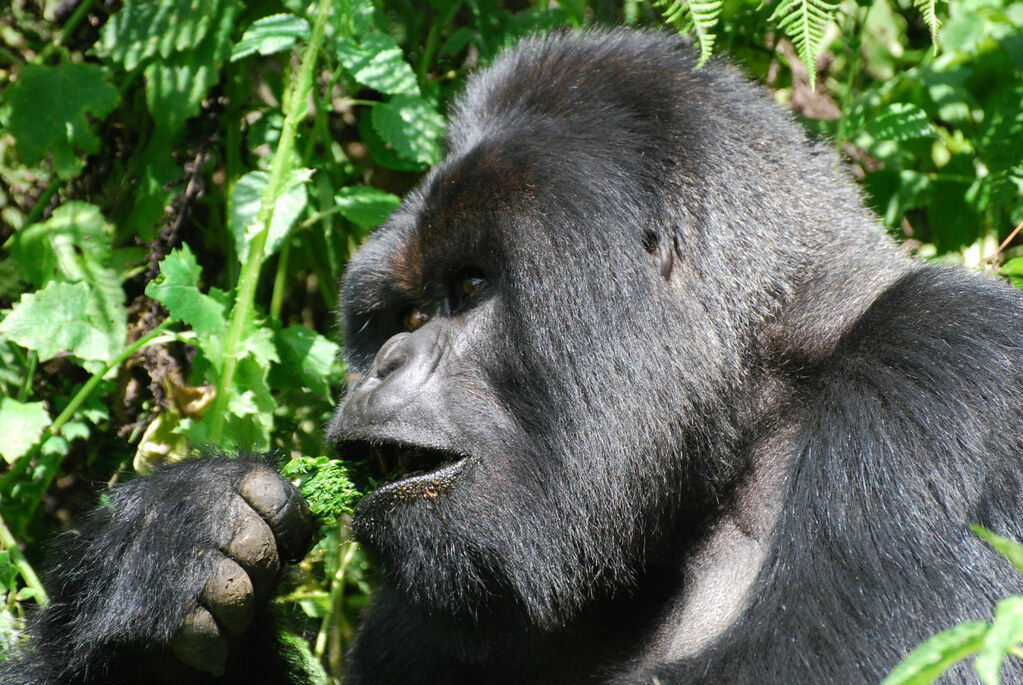
The Best Time for Gorilla Trekking in Uganda and Rwanda
Gorilla trekking in Uganda and Rwanda is a once-in-a-lifetime experience, offering visitors the chance to observe endangered mountain gorillas in their natural rainforest habitats. Because the experience takes place in dense, mountainous forests that receive rainfall throughout the year, choosing the best time to trek can significantly affect trail conditions, visibility, accessibility, and overall comfort. This comprehensive guide explains the optimal seasons, what to expect in each month, practical considerations, and tips for planning the perfect gorilla adventure.
Understanding Uganda and Rwanda’s Climate
Uganda and Rwanda both lie along the equatorial belt, giving them a tropical highland climate with two main dry seasons and two rainy seasons. Temperatures are mild all year due to high elevation, but rainfall varies by month.
The conditions of the forest-wet, muddy, or relatively dry-greatly influence trekking difficulty and comfort. The gorillas themselves can be visited year-round, but certain seasons make the trek easier.
Best Time for Gorilla Trekking: Dry Seasons (Recommended)
June to September – Peak Season
This is widely considered the best period for gorilla trekking in both Uganda and Rwanda.
During these months, rainfall is minimal, trails are firmer, and trekking conditions are more predictable. The forest canopy is not overly dense, allowing clearer views of the gorillas. These months align with summer holidays, making it the busiest season, so permits must be booked far in advance.
Benefits include better trail stability, lower chances of heavy rain, improved photography conditions, and comfortable temperatures. The likelihood of an enjoyable, manageable trek is highest during this time.
December to February – Short Dry Season
This is the second most favourable period for trekking.
The trails remain relatively dry, vegetation is thinner than during peak rains, and the weather is warm but comfortable. This season is especially ideal for travellers seeking quieter experiences compared to the mid-year peak.
Both dry seasons offer the best balance between trail accessibility, viewing clarity, and trekking ease.
Gorilla Trekking During the Rainy Seasons (Still Possible)
March to May – Long Rainy Season
This is the wettest period in both countries.
Heavy rains can make trails muddy, slippery, and more strenuous. However, gorilla trekking still runs daily, and sightings remain excellent. The forest is lush and vibrant, offering spectacular scenery for photographers. This season often comes with the advantage of fewer crowds and more lodge discounts, making it attractive for budget travellers or those seeking exclusive experiences.
October to November – Short Rainy Season
Rainfall increases again during these months, though not as heavily as in the long rains.
Trails may be challenging but manageable with proper gear. Gorilla permits remain in demand, but the overall trekking experience is quieter than the dry season. The forest is green, and gorillas are more likely to be feeding closer to lower elevations due to abundant vegetation.
Month-By-Month Overview
January–February: Dry, excellent trekking conditions, moderate crowds.
March–April: Wet, muddy, fewer trekkers, lush forests.
May: Still wet but improving toward June.
June–July: Peak season, dry trails, very popular.
August: Excellent conditions, continuing peak season.
September: Good conditions, slight chance of showers.
October–November: Short rains, quieter but doable.
December: Good trekking conditions, busy holiday period.
How Weather Affects Gorilla Behaviour
While weather influences trail conditions, gorillas themselves adapt well and are active year-round. During rainy months, they may stay closer to the forest floor and move less. During dry seasons, they may range farther, but sightings remain near guaranteed in both countries since rangers track them daily.
Permit Availability and Seasonal Demand
Because gorilla trekking is highly regulated, permits are limited to eight visitors per gorilla group per day.
Dry seasons (June–September & December–February) sell out quickly. Travellers should book permits 3–6 months in advance, or up to a year ahead for peak season.
Rainy seasons have more flexible availability and may offer discounted accommodation in some regions.
Trekking Difficulty by Season
Dry seasons:
• Easier hiking
• Firmer, more stable trails
• Less mud and fewer slippery slopes
Rainy seasons:
• More demanding physically
• Slippery and muddy trails
• Longer trekking times depending on gorilla location
Regardless of season, hiring a porter is highly recommended.
Best Time for Photography
The dry months offer soft, filtered light through thinner forest canopies and fewer disruptive rain showers. Rainy months offer dramatic rainforest atmosphere but require camera protection due to moisture.
Choosing Between Uganda and Rwanda
Both countries share similar seasons, but they differ slightly in conditions and trekking style.
Choose Uganda if you want:
More trekking sectors and gorilla families
A wilder, more adventurous rainforest experience
The Gorilla Habituation Experience (4 hours)
More budget-friendly options for long trips
Choose Rwanda if you prefer:
Shorter transfer times
More predictable trekking conditions
Luxury lodges and premium service
Clearer terrain for photography (bamboo forest)
Weather patterns affect both destinations equally, but Rwanda’s bamboo terrain often feels easier even after rain.
The best time for gorilla trekking in Uganda and Rwanda generally falls in the dry seasons from June to September and December to February, offering comfortable trekking conditions, clearer views, and more stable forest trails. However, gorilla trekking is possible and rewarding in every month of the year. Rainy seasons provide lush scenery, fewer crowds, and often more peaceful experiences.
Whenever you choose to go, the moment you stand a few metres from a mountain gorilla family-watching infants tumble, silverbacks glance up calmly, and mothers nurture their young-becomes a life-changing encounter that transcends any weather conditions.