
Big Game Safari Adventures in Queen Elizabeth National Park
Introduction to Queen Elizabeth National Park
Big game safari adventures in Queen Elizabeth National Park offer one of the most diverse wildlife experiences in East Africa, combining classic savannah encounters with dramatic landscapes shaped by the Great Rift Valley. Located in western Uganda, the park spans open plains, volcanic crater lakes, wetlands, forests, and the iconic Kazinga Channel. This ecological diversity supports an exceptional concentration of wildlife, making Queen Elizabeth National Park a top destination for travelers seeking authentic African big game safaris beyond the crowds of more commercial parks.
A Landscape Designed for Big Game Viewing
Queen Elizabeth National Park’s varied terrain creates ideal conditions for year-round wildlife viewing, particularly for large mammals. The Kasenyi Plains are renowned for wide-open savannahs where predators and prey are easily spotted, while the Ishasha sector in the south is famous for its tree-climbing lions. Crater lakes formed by ancient volcanic activity attract herbivores and predators alike, especially during dry periods when water sources become limited. These natural features concentrate animals and enhance the overall safari experience.
Lions, Leopards, and Other Apex Predators
The park is one of the best places in Uganda to encounter big cats in the wild, especially lions. The Kasenyi sector hosts strong lion prides that hunt Uganda kob in the early morning and late afternoon, creating dramatic safari moments. In Ishasha, lions have adapted to resting in fig trees, an unusual behavior that fascinates wildlife enthusiasts and photographers. Leopards are present throughout the park, though sightings require patience and expert guiding due to their elusive nature. Spotted hyenas, often heard at night, play a critical role as both hunters and scavengers within the ecosystem.
Elephants, Buffaloes, and Plains Game
Large herbivores form the backbone of Queen Elizabeth’s big game safari experience, with African elephants frequently seen moving between feeding areas and water sources. Herds of buffalo are particularly abundant and often appear in impressive numbers along the Kazinga Channel banks. Plains game such as Uganda kob, waterbuck, topi, and bushbuck thrive across the savannah, providing essential prey for predators and adding constant movement to the landscape. The presence of these species ensures dynamic game drives filled with activity rather than isolated sightings.
The Kazinga Channel Boat Safari Experience
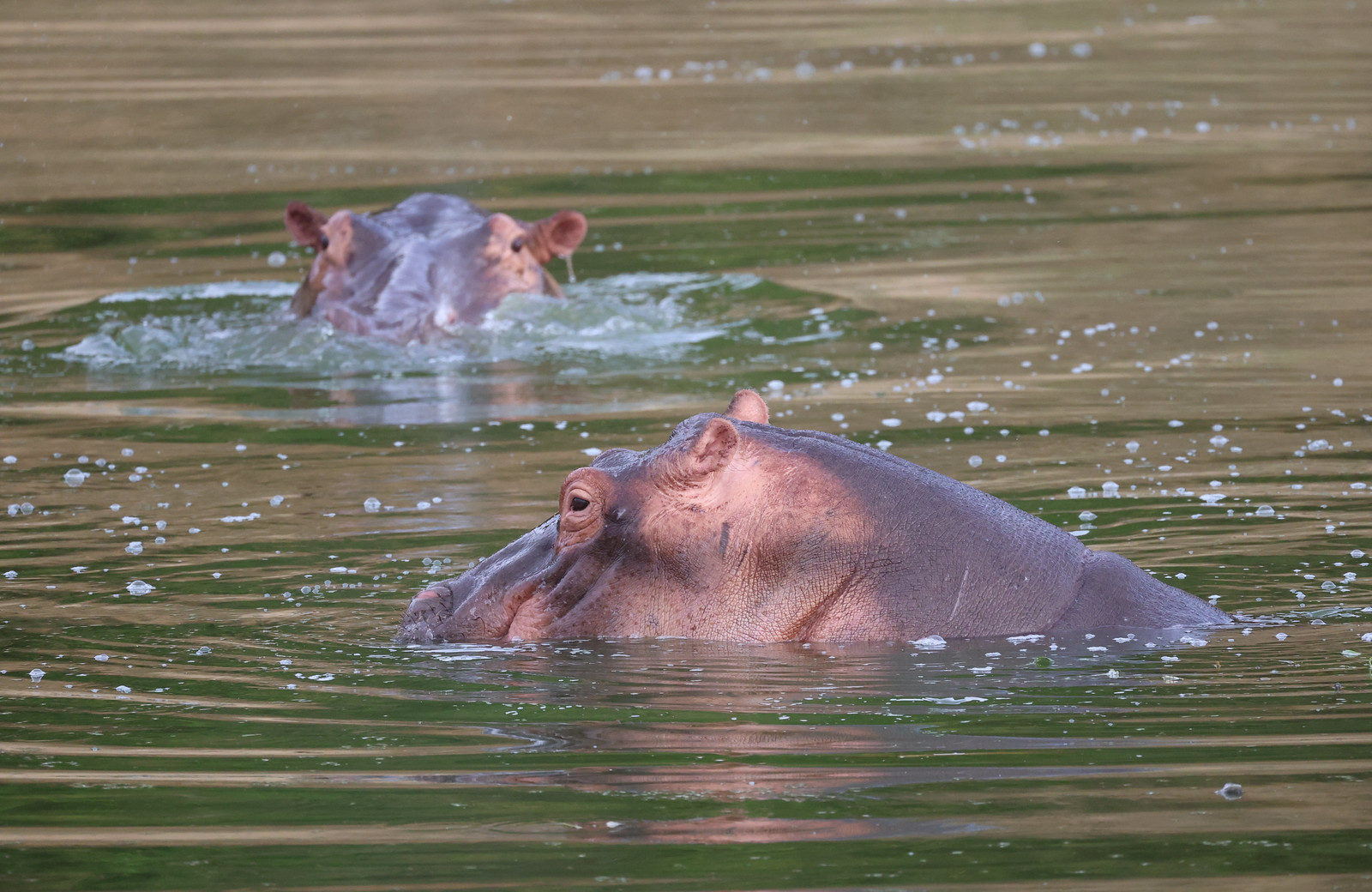
A boat safari on the Kazinga Channel is a defining highlight of any big game adventure in Queen Elizabeth National Park, offering a completely different perspective from traditional game drives. The channel links Lake George and Lake Edward and supports one of the highest concentrations of hippos in Africa. Large Nile crocodiles bask along the shores, while elephants and buffalo frequently come to drink and cool off. This water-based safari allows close, safe encounters with wildlife and complements land-based exploration beautifully.
Ishasha and the Tree-Climbing Lions
The Ishasha sector adds a unique dimension to big game safaris, drawing visitors specifically to witness its famous tree-climbing lions. These lions spend long hours resting in fig trees, possibly to escape insects, enjoy cooling breezes, or gain better visibility of prey. The surrounding savannah and riverine habitats also support elephants, buffalo, and large herds of antelope, making Ishasha a complete big game destination rather than a single-attraction area.
Birdlife and Its Role in the Safari Ecosystem
While known for big game, Queen Elizabeth National Park also supports extraordinary birdlife, which enhances the safari experience rather than distracting from it. Over 600 bird species inhabit the park, from large raptors to colorful wetland specialists. Birds contribute to the ecosystem’s balance and provide constant visual interest during game drives and boat safaris. Their presence also indicates healthy habitats that sustain larger wildlife populations.
Seasonal Considerations for Big Game Safaris
Big game viewing in Queen Elizabeth National Park is rewarding throughout the year, though seasonal changes influence animal movement and visibility. During drier months, wildlife congregates near permanent water sources, increasing sightings along the Kazinga Channel and open plains. Wet seasons bring lush vegetation and dramatic scenery, with newborn animals adding depth to the safari narrative. Experienced guides adapt routes and timing to maximize encounters regardless of season.
Conservation and Community Impact
Big game safaris in Queen Elizabeth National Park play a vital role in conservation and local livelihoods, supporting anti-poaching efforts, habitat protection, and community development. Tourism revenue helps fund park management and provides income opportunities for surrounding communities, creating a shared incentive to protect wildlife. Responsible safari practices ensure that big game encounters remain sustainable and respectful of animal behavior.
Why Queen Elizabeth National Park Stands Out
Queen Elizabeth National Park offers a balanced and immersive big game safari experience, blending predator action, large herbivore sightings, water-based exploration, and stunning scenery into a single destination. Unlike parks focused on one flagship species, Queen Elizabeth delivers variety and authenticity, making it ideal for travelers seeking depth rather than just checklist sightings. Its accessibility, diversity, and conservation success make it one of Uganda’s most rewarding safari destinations.
Big game safari adventures in Queen Elizabeth National Park represent the essence of African wildlife exploration, where landscapes, animals, and conservation come together in a powerful natural story. From lions stalking kob on open plains to elephants wading into the Kazinga Channel, every encounter reflects the park’s ecological richness. For travelers looking to experience Africa’s big game in a setting that feels wild, diverse, and meaningful, Queen Elizabeth National Park remains an exceptional choice.