
What Is The History Of Kidepo National Park?
Overview of the History of Kidepo National Park
The history of Kidepo Valley National Park reflects a fascinating journey from an isolated wilderness inhabited by pastoral communities to one of Africa’s most celebrated conservation landscapes. Situated in the remote Karamoja region of northeastern Uganda near the borders of South Sudan and Kenya, the park has long been defined by its dramatic scenery, rich wildlife diversity, and cultural heritage. Its historical evolution is deeply intertwined with indigenous livelihoods, colonial conservation policies, political instability, and modern tourism development.
The transformation of the area into a protected national park was influenced by conservation priorities introduced during the colonial period and later strengthened by Uganda’s post-independence wildlife management efforts. Today, the park is managed by the Uganda Wildlife Authority, which oversees conservation programs, tourism development, and community engagement initiatives. Understanding the historical context of Kidepo provides insight into how conservation, culture, and tourism intersect in one of East Africa’s most remote and pristine ecosystems.
A Detailed Historical Study of Kidepo Valley National Park
Indigenous Communities and Early Human Presence
Long before colonial boundaries and conservation policies were established, the Kidepo region was home to indigenous pastoralist communities whose livelihoods depended on livestock grazing and seasonal migration. The Karamojong people, along with related ethnic groups such as the Ik and Dodoth, lived in harmony with the natural environment, relying on traditional knowledge to manage resources sustainably. Wildlife and livestock often shared grazing areas, and cultural practices emphasized respect for nature and survival within harsh semi-arid conditions.
The relationship between local communities and wildlife was complex but generally balanced. Hunting occurred primarily for subsistence rather than commercial purposes, and seasonal movement patterns reduced environmental pressure on specific areas. This coexistence shaped the ecological character of the region long before formal conservation measures were introduced.
Colonial Conservation and Game Reserve Establishment
The first major transformation of the Kidepo landscape began during the British colonial era in the mid-20th century. Colonial authorities recognized the ecological importance of the region due to its abundant wildlife populations, including elephants, lions, buffalo, and antelope species. In 1958, the area was officially designated as a game reserve, marking the beginning of structured conservation efforts intended to protect wildlife from increasing hunting pressure and habitat loss.
The creation of the game reserve introduced new restrictions on traditional land use, significantly affecting local communities. Some pastoral groups were relocated or faced limitations on grazing access, leading to tensions between conservation authorities and indigenous populations. This period laid the foundation for future conservation challenges, particularly regarding community inclusion and land rights.
National Park Gazettement After Independence
Following Uganda’s independence in 1962, the newly formed government expanded conservation initiatives, and the Kidepo Game Reserve was upgraded to national park status in 1962. This change formalized the area as a protected wildlife sanctuary under national management. The designation aimed to preserve biodiversity while promoting tourism as a potential economic resource for the country.
During the early post-independence years, Kidepo began to gain recognition for its unique wildlife and dramatic scenery. The park’s landscapes, including the Narus Valley and Kidepo Valley, supported large concentrations of animals, attracting adventurous travelers seeking remote safari experiences. Infrastructure development during this period remained limited but sufficient to establish the park’s presence within Uganda’s tourism sector.
Political Instability and Conservation Challenges
The 1970s and 1980s were among the most difficult periods in the park’s history due to political instability and regional conflict. During the rule of Idi Amin and subsequent civil unrest, conservation programs weakened significantly. Poaching increased, infrastructure deteriorated, and tourism declined dramatically as insecurity spread across the region.
Cross-border conflicts and cattle raids further complicated conservation efforts. Armed groups operated in remote areas, making it difficult for authorities to maintain effective wildlife protection. Many animal populations suffered during this time, and park facilities fell into disrepair. Despite these challenges, the region’s remoteness also helped preserve large portions of habitat from widespread agricultural encroachment.
Recovery and Conservation Rebuilding
The restoration of political stability in Uganda during the late 1980s and 1990s marked the beginning of recovery for Kidepo National Park. Conservation initiatives were revitalized, and efforts to combat poaching intensified. The establishment of the Uganda Wildlife Authority in 1996 created a unified management framework for national parks, improving enforcement, research, and tourism planning.
Wildlife populations gradually recovered due to improved protection and ecological resilience. Species such as elephants, buffalo, giraffes, and predators began to increase in number, restoring the ecological balance of the park. Conservation organizations also collaborated with local communities to promote sustainable livelihoods and reduce human-wildlife conflict.
Tourism Development and Global Recognition
In the 21st century, Kidepo Valley National Park has emerged as one of Africa’s most spectacular yet least crowded safari destinations. Its remote location, once considered a disadvantage, is now recognized as a major attraction for travelers seeking authentic wilderness experiences away from mass tourism. International recognition grew when global media outlets ranked the park among Africa’s top national parks for wildlife viewing and scenic beauty.
Infrastructure improvements, including upgraded roads, airstrips, and lodges, have enhanced accessibility while maintaining the park’s wilderness character. High-end safari lodges and community tourism projects have contributed to economic opportunities for surrounding communities. Tourism revenue now plays an important role in supporting conservation and regional development.
Cultural Heritage and Community Integration
Modern conservation strategies increasingly emphasize collaboration with local communities surrounding the park. Indigenous cultural traditions remain an essential part of the region’s identity, and community tourism initiatives provide opportunities for visitors to learn about pastoral lifestyles, traditional dances, and local crafts.
Programs supporting education, healthcare, and alternative livelihoods have helped reduce reliance on activities that threaten wildlife. By integrating community interests into conservation planning, authorities aim to create long-term sustainability for both people and ecosystems.
Ecological Significance Through Time
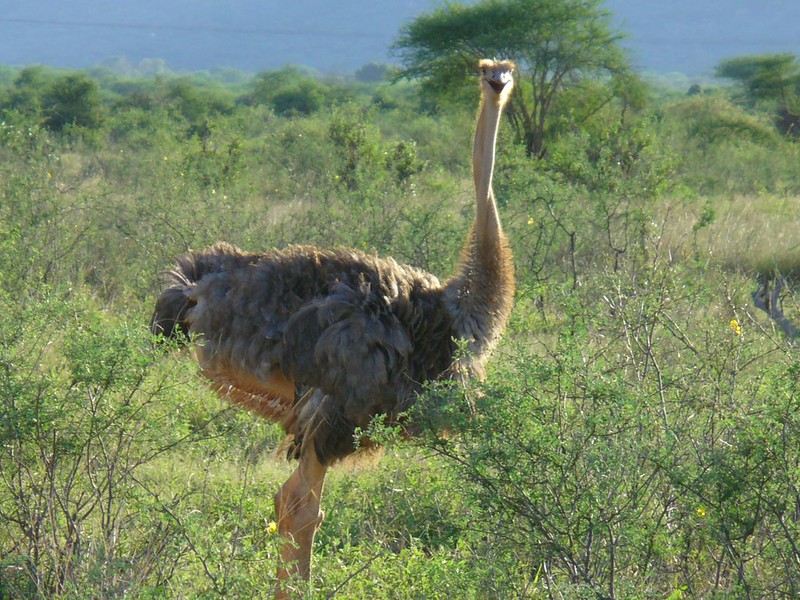
Kidepo’s ecological importance has remained constant throughout its history, despite periods of decline and recovery. The park protects diverse habitats ranging from savannah grasslands and river valleys to rugged mountains and seasonal wetlands. These ecosystems support rare species not commonly found in other Ugandan parks, including cheetahs, ostriches, and unique birdlife adapted to semi-arid environments.
The preservation of these habitats contributes to regional biodiversity conservation across East Africa. The park forms part of a larger transboundary ecosystem connecting Uganda with neighboring countries, allowing wildlife migration and genetic diversity to continue across borders.
The Future of Kidepo National Park
Looking ahead, the future of Kidepo depends on sustainable tourism, community engagement, and continued conservation investment. Climate change, population growth, and regional development pressures present ongoing challenges that require adaptive management strategies. Strengthening partnerships between government agencies, conservation organizations, and local communities will remain critical.
The park’s history demonstrates resilience and transformation, evolving from traditional pastoral lands to a globally recognized conservation area. Its story highlights the importance of balancing human needs with environmental protection while preserving cultural heritage.
Final Reflections on the History of Kidepo
The history of Kidepo Valley National Park is a narrative of coexistence, conflict, recovery, and hope. From indigenous stewardship to colonial conservation, political turmoil, and modern tourism success, the park has undergone significant changes while retaining its wild essence. Today, it stands as a symbol of Uganda’s commitment to biodiversity conservation and sustainable tourism.
Understanding this history enriches the visitor experience, revealing that the landscapes and wildlife seen today are part of a much larger story shaped by people, politics, and nature over generations. Kidepo remains not only a destination for adventure but also a testament to the enduring value of protecting Africa’s natural heritage.