
Ebola in East Africa: Understanding the Disease, Outbreak Patterns, and Regional Response
Ebola remains one of the most feared viral diseases in parts of Africa, including East Africa. It does not appear frequently, but when it does, it demands rapid action from governments, health workers, and communities. Uganda and nearby countries have experienced multiple outbreaks over the years, shaping how the region now detects, contains, and manages cases.
The disease does not spread easily like airborne infections, yet its impact can be severe due to how quickly it spreads through close contact and how serious the symptoms can become. Understanding how Ebola behaves, where it appears, and how East Africa responds helps reduce fear and improves public readiness during outbreaks.
What Ebola Is and How It Spreads
Ebola is caused by the Ebola virus, which targets the human immune system and affects multiple organs in the body. It belongs to a group of viruses that cause viral hemorrhagic fever. The illness begins when the virus enters the body through broken skin, mucous membranes, or direct contact with infected bodily fluids.
Transmission happens mainly through close physical contact. This includes blood, vomit, stool, urine, saliva, or sweat from a person who is already infected and showing symptoms. It can also spread through contaminated objects such as bedding, clothing, or medical equipment if not properly disinfected.
In some outbreaks, the first human infection may come from contact with infected animals such as fruit bats or primates. After that initial spillover event, human-to-human transmission becomes the main driver of spread.
Ebola does not spread through air, water, or casual contact like shaking hands or sitting near an infected person. This is an important distinction that helps guide prevention strategies in East Africa.
Historical Presence of Ebola in East Africa
Uganda has recorded several Ebola outbreaks over the past two decades. These outbreaks have occurred in different regions, often in or near forested areas where human interaction with wildlife is more likely.
One notable pattern is that outbreaks tend to start in rural communities. From there, movement of patients to health facilities or between households can lead to wider transmission if cases are not identified quickly.
Neighboring countries such as the Democratic Republic of Congo have experienced more frequent and larger outbreaks. Because of cross-border movement for trade, work, and family visits, East African countries often coordinate closely during health emergencies.
Each outbreak has contributed to improved systems. Surveillance has become faster, isolation protocols are stronger, and community awareness has increased significantly compared to earlier years.
Symptoms and Progression of the Disease
Ebola usually begins with sudden symptoms. The early stage can look similar to other common illnesses, which sometimes delays detection. Fever is often the first clear sign, followed by fatigue, muscle pain, and headaches. Some patients also experience sore throat and general weakness.
As the illness progresses, symptoms become more severe. Vomiting, diarrhea, and abdominal pain may develop. In advanced stages, some patients experience bleeding, although this does not occur in every case. Internal bleeding is more common than visible external bleeding.
The speed of progression varies. Some patients worsen within a few days, while others may take longer. Early medical care plays a major role in improving survival rates. Supportive treatment such as hydration, oxygen support, and symptom management can make a significant difference.
Diagnosis and Medical Response in East Africa
Diagnosing Ebola requires laboratory testing because early symptoms overlap with diseases like malaria, typhoid, and other viral infections common in the region. Health facilities in Uganda and surrounding countries now use improved diagnostic systems that allow faster confirmation.
When a suspected case is identified, the response is immediate. The patient is isolated to prevent contact with others. Health workers begin contact tracing to identify everyone who may have been exposed. These contacts are then monitored for symptoms over a defined period.
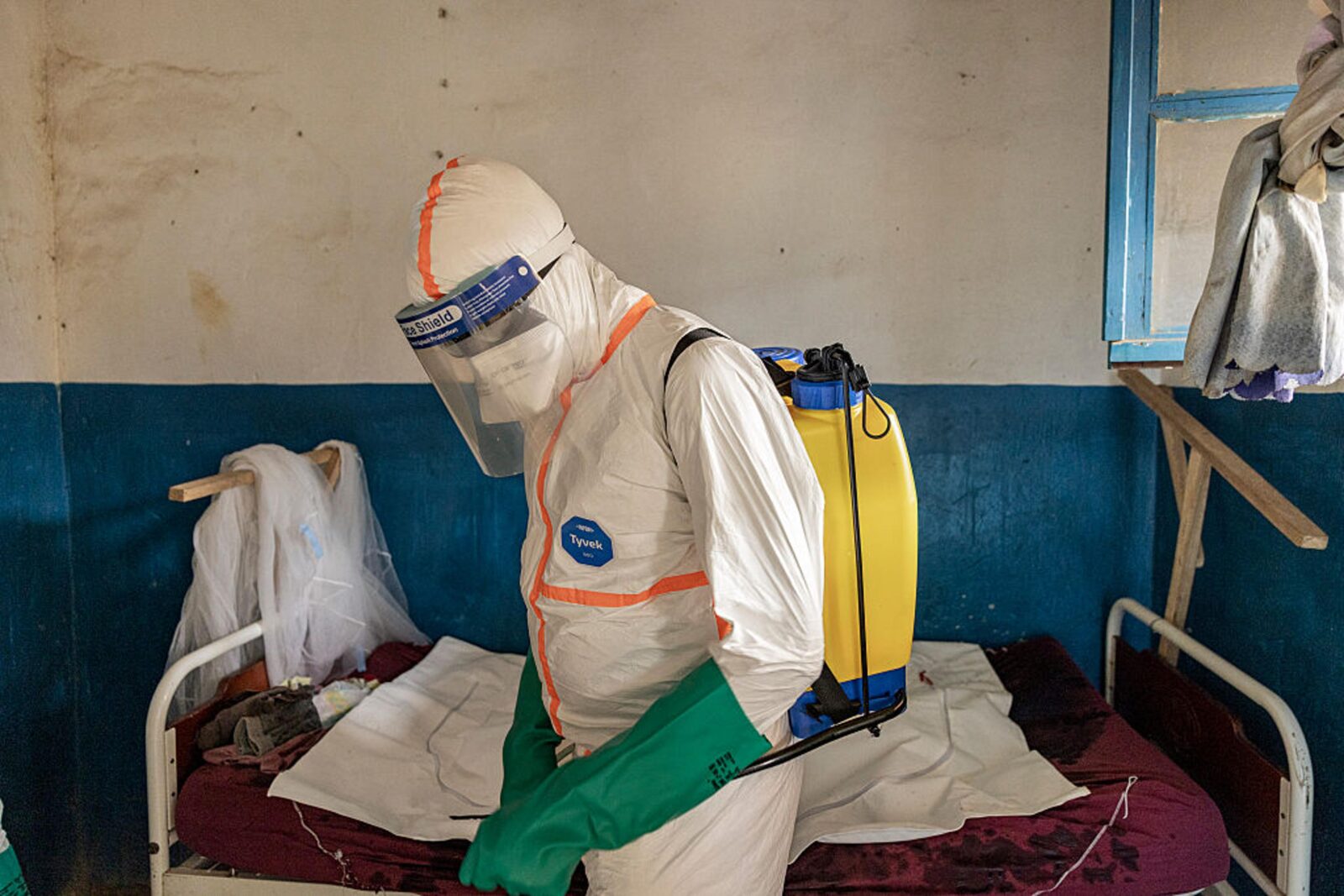
Treatment centers are equipped with infection control systems designed to protect both patients and medical staff. Health workers use protective clothing, strict hygiene protocols, and controlled patient access to limit spread inside facilities.
Treatment and Survival Outcomes
There is no single universal cure for Ebola, but treatment has improved over time. Care focuses on supporting the body while it fights the infection. This includes maintaining hydration, balancing electrolytes, managing fever, and treating secondary infections when they occur.
In recent outbreaks, vaccines have been used in targeted areas. These vaccines are typically given to frontline health workers and people who have been in contact with confirmed cases. This approach helps break transmission chains quickly.
Survival rates depend on early detection and access to care. Patients who receive treatment early have a much higher chance of recovery compared to those who arrive at health facilities in later stages of the illness.
How Ebola Outbreaks Are Controlled in East Africa
Control of Ebola in East Africa relies on several coordinated systems working together. One of the most important is surveillance. Health teams monitor hospitals, clinics, and communities for unusual patterns of illness. Any suspected case is reported immediately for investigation.
Contact tracing is another key strategy. Once a case is confirmed, trained teams identify all people who had close contact with the patient. These individuals are monitored daily for symptoms. If any of them become sick, they are isolated and tested quickly.
Isolation and safe treatment reduce the risk of further spread. Dedicated treatment centers prevent infected patients from coming into contact with the general population.
Community engagement is also central. Local leaders, health workers, and volunteers play a role in educating people about symptoms, reporting procedures, and safe practices. Trust between communities and health systems strongly affects how quickly outbreaks are contained.
Cultural Practices and Public Health Challenges
One of the sensitive areas in Ebola response is burial practices. In some communities, traditional burial rituals involve direct contact with the body. If the deceased had Ebola, this can lead to further transmission.
To address this, trained burial teams carry out safe and dignified burials. These teams work to respect cultural values while ensuring that the body is handled in a way that prevents infection. Over time, communities have become more open to these practices as awareness has increased.
Misinformation can also slow response efforts. During outbreaks, rumors about causes or treatments sometimes spread faster than official information. This can lead to delays in seeking care or resistance to health guidelines. Clear and consistent communication from health authorities helps reduce this problem.
Impact on Travel and Daily Life
Ebola outbreaks can affect movement within and between countries in East Africa. Border screening is often introduced during active outbreaks. Travelers may be checked for symptoms at airports, bus stations, and border points.
These measures are usually targeted rather than blanket restrictions. The goal is to reduce risk while maintaining normal economic activity as much as possible.
Tourism is sometimes affected, especially if an outbreak occurs near major travel routes or national parks. However, many tourism areas remain open if they are outside affected zones. Uganda, for example, continues wildlife tourism in areas that are not impacted by active cases.
Daily life in affected communities can also change during outbreaks. Schools, markets, and public gatherings may be adjusted depending on the severity of the situation. These measures are temporary and focused on reducing contact between people during transmission periods.
Regional Cooperation in East Africa
Ebola control in East Africa depends heavily on cooperation between countries. Uganda, Rwanda, Kenya, South Sudan, and the Democratic Republic of Congo share information through regional health networks.
This coordination allows faster response when cases appear near borders. Shared laboratories, joint training programs, and coordinated surveillance systems improve readiness across the region.
International partners also support outbreak response by providing technical expertise, medical supplies, and training for health workers. However, the main response is always led by national health authorities.
Lessons Learned from Past Outbreaks
Each Ebola outbreak in East Africa has led to stronger systems. One major lesson is the importance of early detection. The faster a case is identified, the easier it is to stop spread.
Another lesson is the role of community trust. When people understand the disease and trust health workers, they report symptoms earlier and follow guidelines more consistently.
Health system readiness has also improved. Isolation units, trained response teams, and rapid diagnostic capacity are now more established than in earlier years.
Ebola remains a serious health concern in East Africa, but the region has developed strong systems to manage and contain outbreaks. Uganda and its neighbors have improved surveillance, treatment capacity, and community response over time.
The disease is still unpredictable, and outbreaks require fast action. However, the combination of medical response, public education, and regional cooperation has made control more effective than in the past.
Understanding how Ebola spreads, recognizing symptoms early, and supporting public health measures all play a role in reducing its impact.