
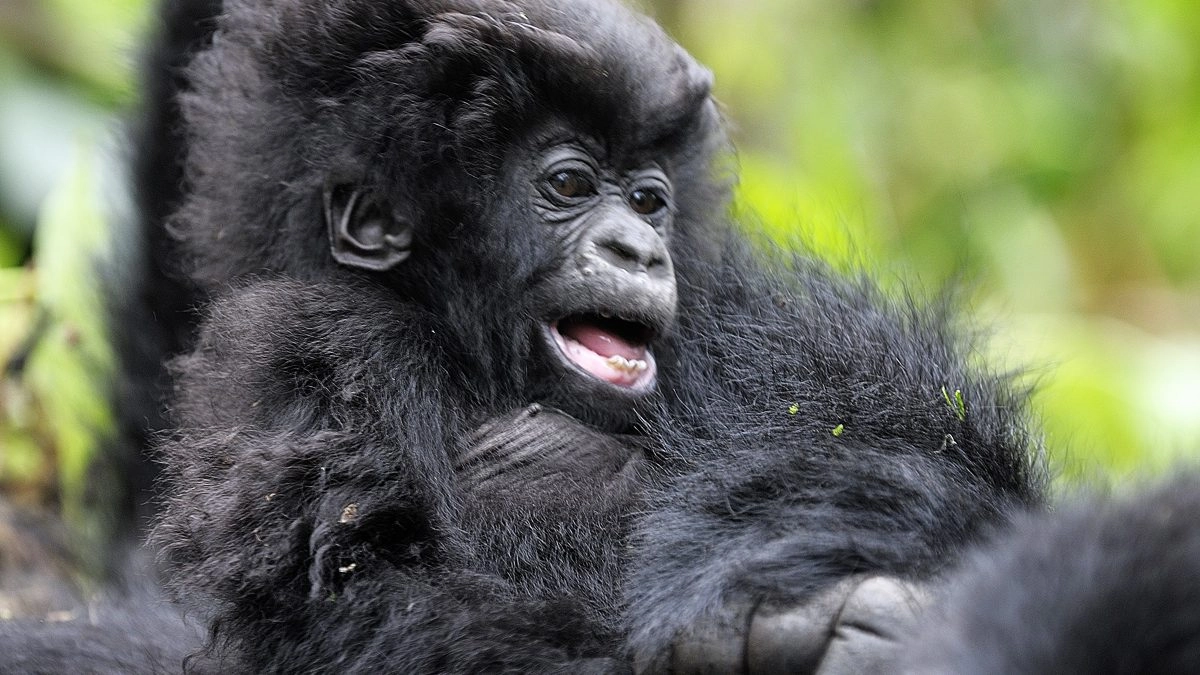
Solo travel in Uganda is increasingly popular among adventurous travelers seeking wildlife, culture, and stunning landscapes. From trekking mountain gorillas in Bwindi and Mgahinga to exploring national parks like Queen Elizabeth and Murchison Falls, Uganda offers unique experiences for those traveling independently.
Traveling alone in Uganda combines adventure, personal growth, and cultural immersion, but it requires careful planning to ensure safety, convenience, and access to resources. Solo travelers benefit from structured tours, local guides, and well-connected transport networks, which make navigating Uganda’s diverse terrain manageable and rewarding.This guide explores solo travel in Uganda, covering safety tips, accommodation options, transportation advice, park experiences, and cultural considerations.
A Detailed Guide to Solo Travel in Uganda
Safety for Solo Travelers
Uganda is generally safe for solo travelers, but precautions are essential. In urban centers like Kampala and Entebbe, petty crime such as pickpocketing can occur. Solo travelers should remain alert, avoid poorly lit areas at night, and secure personal belongings.
Using reputable taxi services or ride-hailing apps and staying in recommended accommodations reduces risks. In remote areas and national parks, solo travelers should always hire experienced guides or join group tours to ensure both safety and an enriched experience.
Being informed about local customs, avoiding sensitive political discussions, and respecting community norms enhances both safety and cultural integration.
Health Considerations
Health preparedness is crucial for solo travelers. Malaria prophylaxis, vaccinations including yellow fever, and travel insurance are strongly recommended. Drinking bottled or treated water and maintaining personal hygiene are important to avoid illness.
In national parks, carrying a small first aid kit, hand sanitizer, and any personal medications is prudent. While urban centers have adequate medical facilities, remote trekking areas may have limited access, so preparedness is essential for solo adventurers.
Accommodation Options
Uganda provides a wide range of accommodation suitable for solo travelers. In cities, hostels, boutique hotels, and guesthouses offer both safety and opportunities to meet fellow travelers. In national parks, lodges and camps often have single occupancy rooms or shared accommodations where solo travelers can join group excursions.
Eco-lodges near Bwindi or Mgahinga provide secure, serene environments, while mid-range lodges in Queen Elizabeth or Murchison Falls offer guided safari experiences, facilitating social interactions for independent travelers. Many lodges also provide packaged tours that combine transport, meals, and guided activities, which is ideal for those traveling alone.
Transportation for Solo Travelers
Traveling independently in Uganda requires planning for road and air transport. Major highways connecting Kampala to Entebbe, Mbarara, and Gulu are generally safe, while rural roads and park access routes may be rough and muddy, especially during rainy seasons.
Domestic flights to national parks are a safe and efficient alternative for solo travelers with limited time. Hiring private drivers, joining small tour groups, or using registered buses ensures convenience and safety, while local guides enhance the solo experience with cultural and wildlife insights.
National Park and Wildlife Experiences
Solo travelers can fully enjoy Uganda’s wildlife offerings with guided tours. Gorilla trekking in Bwindi or Mgahinga requires ranger supervision, making it suitable for solo adventurers. Safaris in Queen Elizabeth and Murchison Falls allow individual travelers to join small groups or hire private guides for a personalized experience.
Activities such as chimpanzee tracking, birdwatching, boat cruises, and volcano hikes are safe and accessible for solo travelers when conducted under guidance, offering both adventure and social engagement.
Cultural Engagement
Solo travel in Uganda offers ample opportunities for cultural immersion. Visiting local markets, participating in community tourism programs, and attending traditional performances enrich the travel experience. Solo travelers often find it easier to connect with local people and fellow tourists, fostering meaningful interactions.
Respect for local customs, appropriate dress, and asking permission before photography enhance positive experiences while traveling independently.
Tips for a Successful Solo Trip
Preparation and awareness are key for solo travel success in Uganda. Solo travelers should carry identification, a mobile phone with local SIM, emergency contacts, and sufficient cash, as ATMs may be limited in remote areas.
Joining reputable tours for activities like gorilla trekking, safaris, and hikes ensures safety and a richer experience. Maintaining flexibility in itinerary, staying alert to surroundings, and balancing exploration with rest are essential for enjoying Uganda independently.
Solo travel in Uganda is both safe and rewarding when approached with preparation and awareness. From wildlife encounters to cultural exploration, independent travelers can enjoy flexibility, adventure, and personal growth.By combining safety practices, guided experiences, and cultural respect, solo adventurers can experience the full richness of Uganda-from the misty forests of Bwindi and Mgahinga to the savannahs of Queen Elizabeth and the waterfalls of Murchison-creating memories that last a lifetime.