
Amboseli National Park: The Kingdom Beneath Kilimanjaro’s Gaze
Framed by the snow-capped majesty of Mount Kilimanjaro, Amboseli National Park stands as one of Kenya’s most iconic safari destinations — a land where the elements of wilderness, sky, and savannah harmonize in breathtaking spectacle. Known for its immense herds of elephants, mirror-like swamps, and open plains shimmering with life, Amboseli is a photographer’s dream and a traveler’s quiet revelation. Every dawn paints the slopes of Kilimanjaro in pink and gold hues, and every dusk hums with the pulse of Africa itself — the low calls of elephants, the rustle of grass under zebra hooves, and the silent glide of lions stalking the horizon.
The Heartbeat of Amboseli
Amboseli lies in southern Kenya, near the Tanzanian border, covering roughly 392 square kilometers. Despite its modest size, its biodiversity is astonishing — a complete microcosm of East African wilderness. Its defining feature is the Amboseli ecosystem, fed by underground water channels from Mount Kilimanjaro’s melting glaciers. These hidden veins create lush swamps and wetlands that sustain life even during the driest months. The park’s landscape is a striking contrast — vast dusty plains, acacia woodlands, seasonal lakes, and permanent marshes. This diversity makes Amboseli not just a sanctuary for wildlife but a living theater of natural rhythm.
The Elephant Empire
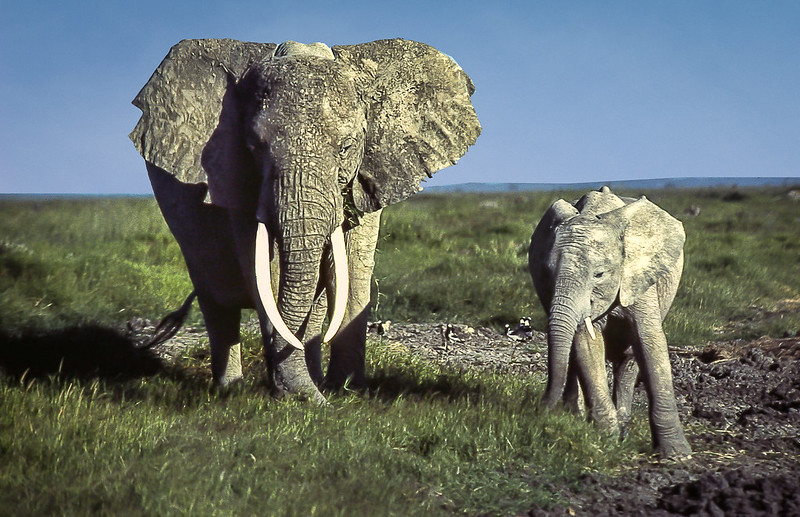
If there is a single image that defines Amboseli, it is that of elephants marching across the plains beneath the towering silhouette of Kilimanjaro. Amboseli is home to some of Africa’s most studied and protected elephant herds, many of which have been followed by researchers for decades. The park’s elephants are remarkably calm around vehicles, allowing intimate encounters that photographers and filmmakers around the world treasure. Their tusks, some long and curved like ivory sabers, gleam in the morning light, telling stories of age, endurance, and legacy. These elephants are more than wildlife — they are Amboseli’s soul and its proudest ambassadors.
Wildlife Encounters Beyond the Giants
Amboseli’s charm extends far beyond its elephants. The park teems with life — lions, cheetahs, and leopards patrol its grasslands, while buffaloes, giraffes, zebras, and wildebeests roam in rhythmic migrations. The wetlands are sanctuaries for hippos and waterbucks, and bird enthusiasts will find paradise among more than 400 recorded bird species, including pelicans, crowned cranes, eagles, and flamingos that gather seasonally on Lake Amboseli. The park’s open terrain makes wildlife viewing exceptional all year round, and the visibility across its plains creates a sense of intimacy — you don’t just see the animals, you feel part of their world.
The Majestic Backdrop of Kilimanjaro
Mount Kilimanjaro, though across the border in Tanzania, dominates the park’s skyline. Its snow-draped peaks rise like a cathedral above the horizon, creating one of Africa’s most photographed scenes. On clear mornings, the mountain reveals itself in full glory, and as the mist lifts, the spectacle of elephants moving beneath Africa’s highest peak creates a timeless postcard of wild beauty. This backdrop makes Amboseli one of the most awe-inspiring destinations for landscape and wildlife photography. The contrast between the arid plains and Kilimanjaro’s eternal snow embodies Africa’s poetic duality — raw yet serene, fierce yet delicate.
Culture and Community
Surrounding Amboseli are the ancestral lands of the Maasai people, whose presence adds depth and soul to the park’s experience. Their traditional manyattas (homesteads) dot the outskirts, offering travelers a glimpse into centuries-old customs, attire, and dances that remain deeply connected to nature. Visiting a Maasai community reveals how they coexist with wildlife through respect and tradition. Their vibrant shukas (red garments), rhythmic chants, and intricate beadwork reflect a heritage as colorful and enduring as the land itself. Amboseli, therefore, is not just a park — it is a meeting ground of wild nature and human history.
When to Visit Amboseli
Amboseli’s magic shifts with the seasons. The dry months (June to October and January to February) are perfect for clear views of Kilimanjaro and abundant game drives, as animals cluster around the remaining water sources. The wet seasons (March to May and November to December) transform the park into a lush green paradise, teeming with newborn wildlife and migratory birds. Even in its rain-washed months, Amboseli remains enchanting — the dramatic skies, thunder rolling over the plains, and rainbows arching across the mountain create a sense of primal wonder.
Lodging and Safari Experience
Amboseli offers a range of accommodations — from luxury lodges with infinity pools overlooking the mountain to eco-camps tucked away in acacia groves. Lodges like Tortilis Camp, Amboseli Serena Safari Lodge, and Ol Tukai Lodge capture the essence of wild comfort, blending sustainability with authentic African design. Nightfall in Amboseli is an experience unto itself — lanterns flicker, the distant call of a hyena echoes through the plains, and the stars spill endlessly across the sky. Whether on a guided game drive, a walking safari near the community conservancies, or a golden-hour sundowner, every moment feels cinematic and alive.
A Place of Reflection
Amboseli National Park is more than a destination — it’s an emotional journey through Africa’s timeless heart. Beneath Kilimanjaro’s watchful gaze, the rhythm of nature continues undisturbed, ancient and infinite. Here, every sunrise whispers hope, every herd tells a story, and every silence hums with life. Amboseli reminds travelers that Africa is not just to be seen — it is to be felt, deeply, beneath the skin and within the soul.