Best Time for Big Five Safari in Maasai Mara
Introduction to Timing Your Big Five Safari
Choosing the best time for a Big Five safari in Maasai Mara is one of the most important decisions in safari planning, as seasonal changes directly influence wildlife movement, visibility, and overall safari quality. The Maasai Mara offers year-round game viewing, yet certain months provide more consistent sightings of lions, leopards, elephants, buffalo, and the rare black rhinoceros. Understanding how climate patterns, vegetation cycles, and animal behavior interact allows travelers to maximize their chances of experiencing a complete and rewarding Big Five safari.
Dry Season Advantage for Big Five Sightings
The dry season is widely regarded as the best time for a Big Five safari in Maasai Mara, typically running from June to October and again from January to February. During these months, rainfall is minimal and grasses are shorter, making wildlife easier to spot across the open plains. Water sources become limited, drawing elephants, buffalo, and predators toward rivers and permanent waterholes. Lions are particularly active during this period, often seen hunting in the early mornings and late afternoons, while leopards become more visible along riverine forests as prey concentrates in predictable areas.
Great Wildebeest Migration and Predator Action
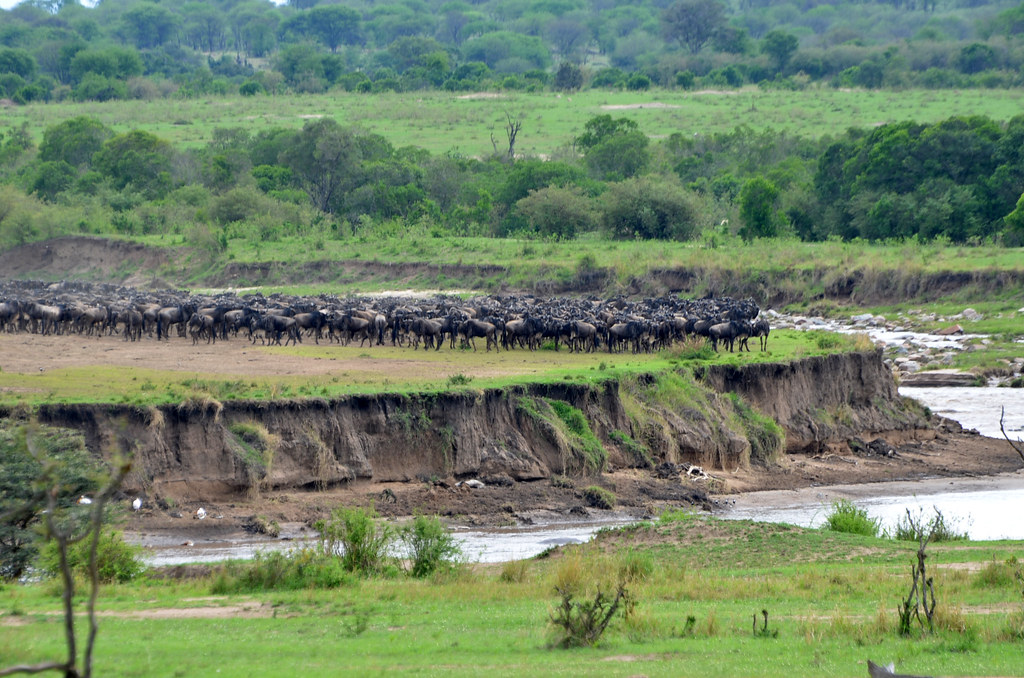
From July to September, the Maasai Mara reaches its peak safari spectacle due to the Great Wildebeest Migration, which significantly enhances Big Five encounters. Although the migration itself involves wildebeest and zebras, the presence of millions of grazing animals attracts large numbers of lions and other predators, increasing the likelihood of dramatic sightings. Elephants and buffalo remain abundant throughout this period, while patient travelers may also spot black rhinos in protected zones of the reserve. This season delivers the highest wildlife density, making it ideal for travelers seeking both Big Five sightings and iconic African safari scenes.
Shoulder Seasons and Balanced Safari Experiences
The shoulder months of March and November offer a more balanced safari experience, combining good wildlife sightings with fewer visitors. These transitional periods often bring short rains that refresh the landscape without significantly disrupting game drives. Wildlife remains active, and predator sightings are still frequent, especially in areas with permanent water. For travelers who prefer a quieter safari atmosphere and value photography with softer light and greener backgrounds, these months present an appealing alternative to peak season.
Green Season and Its Unique Appeal
The green season, typically from April to May, transforms the Maasai Mara into a lush and vibrant landscape, offering a very different but equally rewarding safari experience. While thicker vegetation can make spotting certain animals more challenging, the reserve remains rich in wildlife, including resident Big Five species. This period is particularly attractive to photographers who appreciate dramatic skies, fresh scenery, and fewer safari vehicles. Birdlife flourishes, and many animals give birth during this time, adding another dimension to the safari experience.
Weather Considerations and Safari Comfort
Weather conditions play a significant role in safari comfort and logistics, especially for extended game drives. Dry season days are generally warm with cool mornings and evenings, ideal for long hours in the field. During the wetter months, occasional heavy showers may occur, but they are often short-lived and followed by clear skies. Roads in the Maasai Mara are mostly navigable year-round, although some remote areas may be temporarily inaccessible after heavy rain, reinforcing the importance of experienced guides and well-planned routes.
Choosing the Right Time Based on Travel Goals
The best time for a Big Five safari in Maasai Mara ultimately depends on individual travel priorities, whether that is maximizing wildlife density, avoiding crowds, capturing dramatic photographs, or enjoying a more relaxed pace. Travelers focused on guaranteed Big Five sightings and classic safari scenes will find the dry season most suitable, while those seeking exclusivity, value, and scenic beauty may prefer the green or shoulder seasons. Each period offers its own advantages, ensuring that the Maasai Mara remains one of Africa’s most reliable Big Five destinations throughout the year.
Final Thoughts on the Best Time for Big Five Safari in Maasai Mara
The Maasai Mara’s enduring appeal lies in its consistency and diversity, allowing travelers to experience the Big Five in virtually any month. However, aligning your safari with the right season elevates the experience from memorable to extraordinary. By selecting the best time based on wildlife behavior, climate, and personal preferences, a Big Five safari in Maasai Mara becomes a perfectly timed encounter with Africa’s most iconic wildlife in one of its greatest natural arenas.