Chimpanzee and Gorilla Trekking in Uganda and Rwanda: A Guide to Booking Permits
Introduction
Uganda and Rwanda are East Africa’s leading destinations for primate trekking, offering exceptional encounters with mountain gorillas and wild chimpanzees in lush, biodiverse forests. Because these experiences are highly regulated and demand continues to grow, understanding how to book trekking permits is essential for planning a successful safari. This guide explains how permits work, where to secure them, prices, seasonal considerations, and expert tips to help travellers prepare for their journey.
Understanding Gorilla Trekking Permits
A gorilla trekking permit is an official authorization issued by a national conservation authority that allows you to visit a habituated gorilla family. Permits limit daily visitor numbers to protect the gorillas and ensure a sustainable, low-impact tourism model. Both Uganda and Rwanda require every trekker—without exception—to hold a valid permit.
Gorilla Permit Prices
Rwanda (Volcanoes National Park):
Gorilla trekking permit: $1,500 per person per trek
Uganda (Bwindi & Mgahinga):
Gorilla trekking permit: $800 per person per trek
Gorilla Habituation Experience (Bwindi only): $1,500 for four hours
Rwanda positions itself as a luxury, low-volume destination, while Uganda offers more affordable options and greater trekking diversity.
Understanding Chimpanzee Trekking Permits
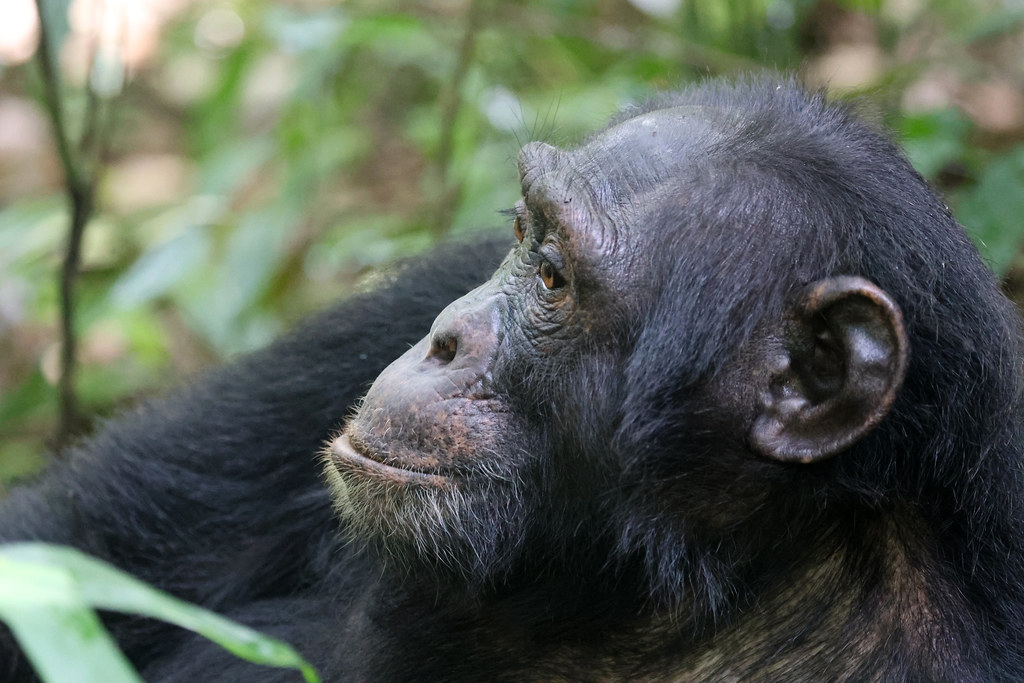
Chimpanzee permits function similarly to gorilla permits but are less costly and more flexible. They allow visitors to track habituated chimpanzee communities with experienced rangers.
Chimpanzee Permit Prices
Rwanda (Nyungwe Forest):
Chimpanzee trekking: Approximately $150–$250
Uganda:
Kibale Forest Chimp Trek: $250
Kibale Chimpanzee Habituation: $300
Budongo Forest Trek: $120
Kyambura Gorge Trek: $100
Uganda offers more options, making it easier for travellers to tailor their experience to budget, terrain preference, and itinerary length.
How to Book Gorilla and Chimpanzee Permits
Permits can be booked in three ways:
1. Through a Licensed Tour Operator (Most Recommended)
This is the easiest and most reliable method, as licensed tour operators:
• Check real-time availability
• Secure permits in advance
• Plan trekking dates around your itinerary
• Handle all paperwork and payments
• Offer backup options if certain dates are fully booked
Most travellers book through an operator because permits are limited and can sell out months ahead.
2. Direct Booking with Government Authorities
Rwanda Development Board (RDB) for Rwanda
Uganda Wildlife Authority (UWA) for Uganda
You may contact these offices directly, but the process can be slow, and you must align trekking dates with your lodge schedule. Payment methods may vary, and availability inquiries often take longer.
3. Booking in Person (Not Advised)
Permits are occasionally available last-minute, but gorilla trekking is extremely popular. This option is risky and not recommended.
When to Book Permits
Because demand is high, especially during the dry seasons (June–September and December–February), it’s best to book permits 3–6 months in advance.
For peak travel months or if you want multiple gorilla treks, book 6–12 months ahead.
Required Information for Booking
To secure your permit, you need to provide:
• Your full name as on passport
• Nationality
• Passport number
• Trekking date
• Payment for the permit
Most permits are non-transferable and non-refundable, so travelers should confirm travel dates before booking.
Important Considerations When Booking
Spacing Your Treks
If planning multiple gorilla or chimpanzee treks, avoid scheduling them on consecutive days without rest—unless you are physically prepared. Bwindi and Nyungwe can involve steep climbs and dense forests.
Gorilla Family Assignment
Your trekking group is assigned by the park based on:
• Fitness level
• Age
• Trekking preference (easy, medium, or challenging)
• Conservation needs
• Group dynamics
Assignments cannot be guaranteed but can be influenced by your guide’s recommendations.
Weather and Visibility
Treks run year-round, even in rainy seasons. Rain tends to make treks more challenging but also more atmospheric and rewarding.
Permit Validity
Permits cannot be reused, transferred to another trekker, or replaced if lost. Once issued, they apply only to the date booked.
Booking Tips for a Smooth Experience
• Book early to secure desired trekking dates.
• Use reputable tour operators for reliable communication and timely confirmation.
• Prepare physically for steep trails, altitude, and humidity.
• Book accommodations near the trekking sector (Bwindi has four sectors: Buhoma, Ruhija, Rushaga, Nkuringo).
• Carry copies of your permit and passport on the trekking day.
• Hire porters—they enhance safety and support local communities.
Which Country Should You Choose?
Choose Rwanda if you want:
High-end lodges and services
Short drive to the park
Easier trekking terrain
A luxury experience
Choose Uganda if you want:
More affordable trekking
Multiple trekking locations
The Gorilla Habituation Experience
More varied primate encounters and wildlife diversity
Final Thoughts
Booking gorilla and chimpanzee permits for Uganda and Rwanda is straightforward when done through reliable channels and planned early. Whether you choose Rwanda’s luxury approach or Uganda’s diverse primate landscape, both destinations offer life-changing encounters with these remarkable species. Understanding permit requirements helps ensure your primate trekking experience is seamless, safe, and deeply rewarding.