
Chimpanzee Trekking for Easter Holidays: A Unique African Adventure
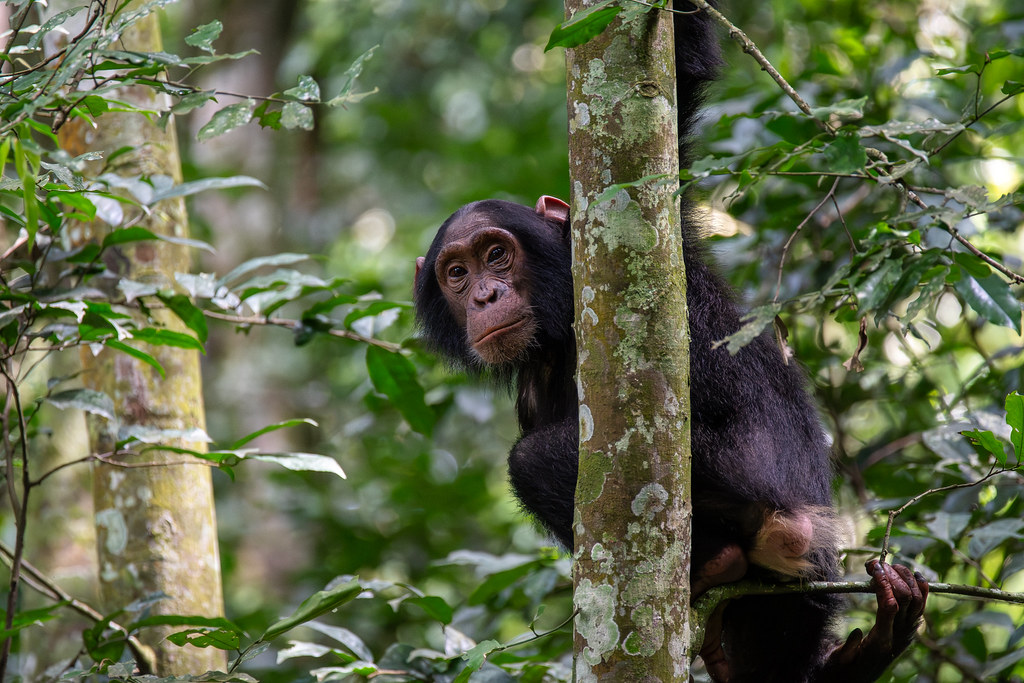
Easter holidays present an ideal opportunity to experience chimpanzee trekking in Africa, offering travelers an immersive wildlife adventure that is both thrilling and educational. Unlike typical safaris, chimpanzee trekking allows visitors to follow these close relatives of humans through lush forests, observing their natural behaviors in dynamic and unpredictable environments.
Countries such as Uganda, Rwanda, and the Democratic Republic of Congo are the primary destinations for chimpanzee trekking. During Easter, usually falling in April, the forests are lush and vibrant due to short rains, making wildlife spotting, including chimpanzees, more rewarding. Trails may be slightly muddy, but the scenery is dramatic, and wildlife activity is heightened as many species are more visible during this time.
Best Destinations for Easter Chimpanzee Safaris
Uganda is a top destination for chimpanzee trekking, particularly in Budongo Forest, Kibale National Park, and Mgahinga Gorilla National Park. Kibale Forest, often referred to as the “primate capital of the world,” hosts over 13 primate species, including habituated chimpanzee groups that trekkers can observe closely. Easter visitors benefit from moderate crowds and active wildlife, as primates move frequently through the forest searching for food.
Rwanda offers chimpanzee trekking in Nyungwe National Park, a high-altitude rainforest teeming with primates and birds. The trails are challenging, but the lush surroundings during Easter provide spectacular scenery. Nyungwe’s well-managed trekking programs ensure safety while maximizing opportunities to observe chimpanzees and other wildlife.
Democratic Republic of Congo (DRC), home to Kahuzi-Biega and other reserves, provides adventurous chimpanzee trekking in more remote areas. While logistics are more complex, Easter is an excellent time to visit due to moderate weather and reduced tourist pressure compared to peak season.
Trekking Experience
Chimpanzee trekking during Easter is an exhilarating and rewarding activity. Treks typically begin in the early morning after a briefing from experienced park rangers, who guide visitors through dense forest trails. Tracks and sounds of chimpanzees lead groups deeper into the forest, where sightings can include feeding, grooming, playing, and social interactions.
Treks can last from two to six hours depending on the group’s location, the forest terrain, and chimpanzee movements. Trails often wind through rolling hills, valleys, and streams, providing a physically engaging and scenic adventure. The combination of exercise, lush surroundings, and the thrill of encountering wild chimpanzees makes this activity unique compared to traditional safaris.
Accommodation and Logistics
Lodging options near chimpanzee trekking sites range from luxury lodges to eco-camps. In Uganda, lodges near Kibale Forest offer comfort, guided tours, and quick access to trekking trails. Rwanda’s Nyungwe lodges provide forest immersion, panoramic views, and cultural experiences alongside wildlife observation.
Early booking is essential for Easter, as accommodations and trekking permits are limited and highly sought after during the holiday period. Packages often include transportation, park permits, guided trekking, and meals, ensuring a seamless experience for visitors.
Practical Tips for Easter Chimpanzee Trekking
- Gear and Clothing: Wear lightweight, long-sleeved clothing to protect against insects and vegetation. Waterproof jackets, sturdy hiking boots, and hats are essential.
- Photography: Bring a camera with a zoom lens to capture chimpanzees at a safe distance without disturbing them.
- Health and Safety: Ensure vaccinations and malaria prophylaxis are up to date. Carry sufficient water and snacks for longer treks.
- Physical Preparation: Trekking involves hiking through uneven, sometimes steep terrain, so a moderate level of fitness is recommended.
- Respect Wildlife: Maintain distance from chimpanzees, avoid loud noises, and follow ranger instructions to ensure safe and responsible observation.
Conservation and Community Impact
Chimpanzee trekking directly supports conservation efforts. Permit fees contribute to habitat protection, anti-poaching initiatives, research, and local community programs. Local guides, trackers, and staff benefit from employment opportunities, while communities gain from eco-tourism projects and cultural exchanges.
Travelers participating in chimpanzee trekking during Easter actively contribute to the preservation of endangered primates and the sustainability of their forest habitats.
Why Easter Is a Great Time
Easter offers a balance of lush forest conditions, moderate tourist numbers, and active primate behavior. The short rains invigorate vegetation, increase fruit availability, and stimulate chimpanzee movement, enhancing sightings and interactions.
Families, couples, and solo travelers can enjoy a memorable and educational holiday, combining exercise, wildlife observation, and nature photography in a safe, structured environment. Easter also allows for additional safari experiences, such as gorilla trekking or birdwatching, complementing the chimpanzee adventure.
Conclusion
Chimpanzee trekking for Easter holidays provides a unique and immersive wildlife experience, combining adventure, education, and conservation impact. From Uganda’s Kibale Forest to Rwanda’s Nyungwe National Park, and even the remote forests of DRC, Easter travelers can witness chimpanzees in their natural habitat amidst vibrant, lush landscapes.
With proper planning, early bookings, and preparation for variable weather, an Easter chimpanzee safari becomes a life-changing adventure, offering close encounters with one of Africa’s most intelligent and fascinating primates while supporting vital conservation efforts.