Chimpanzee Trekking in Rwanda
While Rwanda is best known for its world-famous mountain gorillas, the experience of chimpanzee trekking offers an equally enchanting look into the country’s wild heart. In the dense rainforests of Nyungwe National Park and the newly protected Gishwati-Mukura National Park, travelers can step into a living, breathing jungle where every sound tells a story. The thrill of hearing the first distant pant-hoot calls of a chimpanzee troop — echoing through misty canopies — is an unforgettable prelude to one of Africa’s most soulful wildlife encounters.
The Magic of Nyungwe National Park
The primary home of Rwanda’s chimpanzees is Nyungwe Forest National Park, a vast high-altitude rainforest in the southwest of the country, bordering Burundi and close to Lake Kivu. Spanning over 1,000 square kilometers, Nyungwe is one of Africa’s oldest montane forests and one of the most biodiverse regions on the continent.
This rich ecosystem supports more than 13 primate species — including colobus monkeys, L’Hoest’s monkeys, and olive baboons — as well as over 300 bird species and a dazzling variety of orchids and butterflies. However, the main draw remains the chance to meet one of two habituated chimpanzee communities, offering an experience that is both exhilarating and humbling.
The Chimpanzee Trekking Experience
Chimpanzee trekking in Nyungwe begins early in the morning, often before sunrise. After a briefing from park rangers at the Uwinka Visitor Centre or the Cyamudongo section, visitors set out in small guided groups into the forest. The air is cool and filled with the sounds of awakening birds, rustling leaves, and the distant chorus of primates.
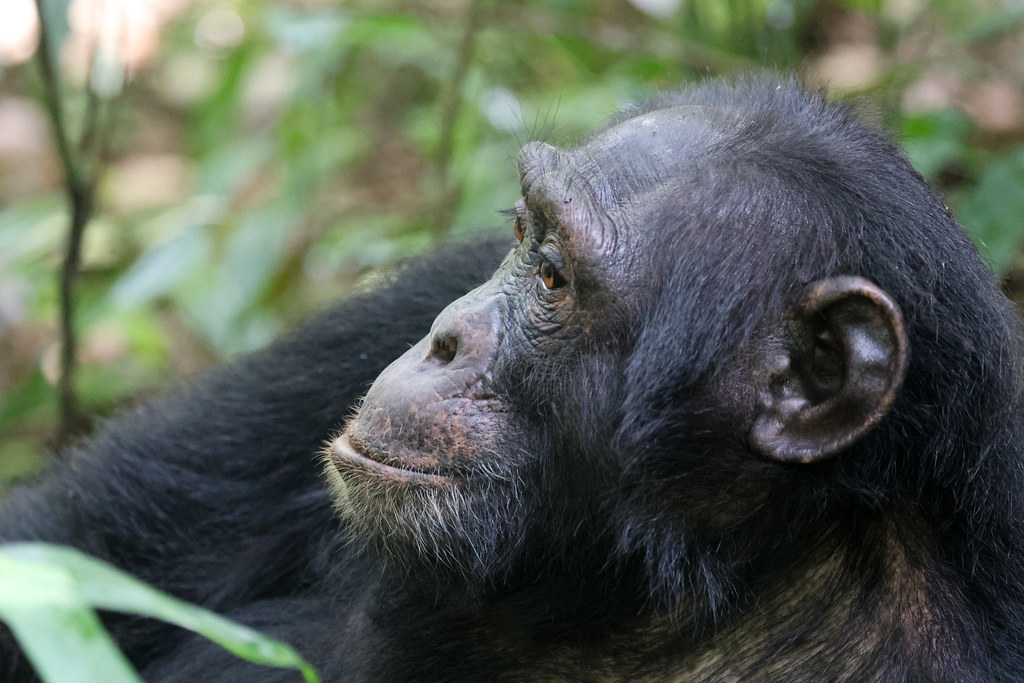
Tracking chimps is an adventure through thick vines, slippery paths, and towering trees. Unlike gorillas, chimpanzees move quickly and spend more time high in the canopy, so sightings are often dynamic and energetic. When you finally locate a troop — usually 20 to 60 individuals — you’re rewarded with an extraordinary glimpse into their daily life.
You might watch them grooming, playing, or foraging for fruit while the alpha males assert their dominance through powerful displays. The forest vibrates with energy as they swing through branches, their communication an intricate mix of whoops, claps, and calls that reflect the complex social world of these intelligent primates.
Visitors are allowed to spend one hour observing the chimps once they are found, though that hour feels timeless — a blend of awe, excitement, and connection to nature at its purest.
Gishwati-Mukura National Park – Rwanda’s New Primate Frontier
For travelers seeking an even more off-the-beaten-path experience, Gishwati-Mukura National Park offers a newer alternative. Located in northwestern Rwanda, this smaller protected area is part of Rwanda’s remarkable reforestation and conservation efforts. Its regenerating forest is home to a growing chimpanzee population, alongside golden monkeys, L’Hoest’s monkeys, and blue monkeys.
Chimpanzee trekking here feels more intimate and exclusive, as visitor numbers remain low. The chimps are less habituated, which makes sightings more unpredictable but deeply rewarding for adventurers who love raw, untamed nature.
Best Time to Go Chimpanzee Trekking in Rwanda
Chimpanzee trekking in Rwanda is possible throughout the year, but the dry seasons — from June to September and December to February — are considered the best times to visit. Trails are drier and easier to navigate, and visibility within the forest canopy is better.
During the wet seasons (March to May and October to November), the forest becomes lusher and greener, and fruiting trees are abundant, making it easier to find the chimps feeding near the forest floor. Birdwatching is also exceptional during these months, adding even more beauty to the experience.
Permits and Trekking Guidelines
To participate in chimpanzee trekking, visitors must obtain a chimpanzee trekking permit issued by the Rwanda Development Board (RDB). As of recent years, permits cost around USD 90 per person for foreign tourists. Group sizes are limited to ensure minimal disturbance to the animals, and only visitors aged 15 years and above are allowed to trek.
Trekkers are advised to wear long sleeves, waterproof boots, and insect repellent, as the forest can be dense and humid. Carrying a light rain jacket and drinking water is also essential. The park rangers provide detailed guidance on how to behave around the chimps — maintaining a safe distance, avoiding flash photography, and keeping noise to a minimum.
Beyond the Chimps – More to Discover in Nyungwe
Chimpanzee trekking may be the highlight, but Nyungwe offers much more to explore. The park is famous for its Canopy Walkway, suspended 50 meters above the forest floor, giving panoramic views of the treetops and distant mist-covered hills.
Hiking trails such as the Igishigishigi Trail, Isumo Waterfall Trail, and Bigugu Trail reveal the forest’s depth and diversity. For bird lovers, Nyungwe is a paradise with species like the great blue turaco, Ruwenzori batis, and Albertine owlet. The blend of primate tracking, birding, and hiking makes this park one of Africa’s most complete eco-tourism destinations.
Where to Stay
Accommodation near Nyungwe ranges from luxury lodges to comfortable mid-range options. One&Only Nyungwe House, set on a working tea plantation, offers a five-star experience with breathtaking views and exceptional service. Gisakura Guesthouse provides a cozy, budget-friendly alternative close to the park headquarters. In Gishwati-Mukura, the Gishwati Lodge offers intimate stays surrounded by regenerating forest.
A Journey of Connection
Chimpanzee trekking in Rwanda is more than just a wildlife activity — it’s a journey of connection with one of our closest relatives in the animal kingdom. The way they communicate, nurture, and play mirrors so much of our own human nature. Standing in that ancient forest, listening to their calls echo through the mist, you feel the timeless bond that ties us all to the wild.
In Rwanda, this experience is about more than sighting chimps — it’s about rediscovering the essence of life in its most natural and untamed form.