
Gorilla Families in Rushaga Sector – Bwindi Impenetrable National Park
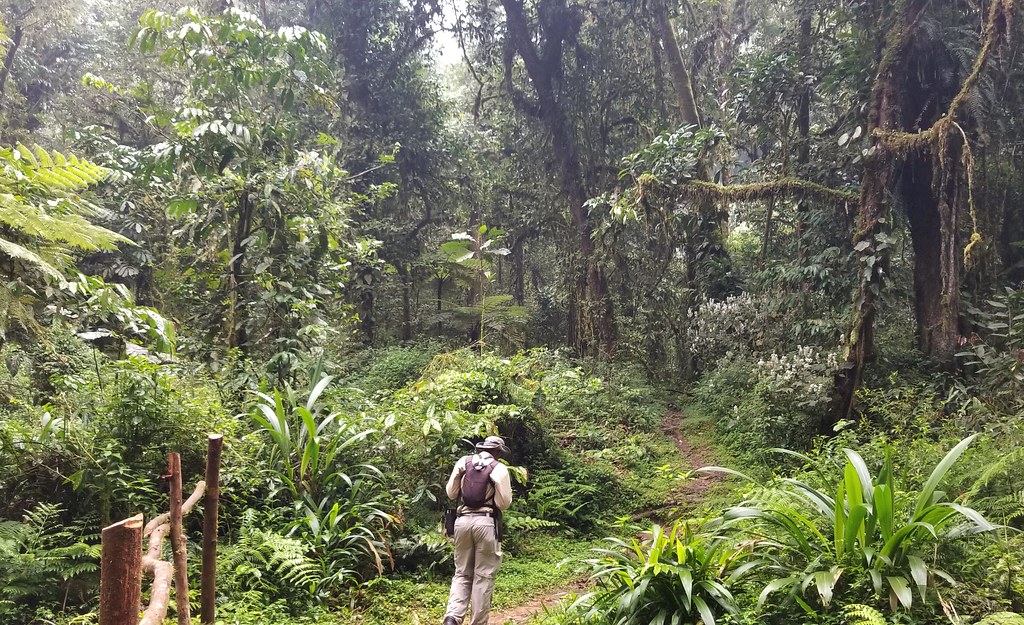
Deep in the southern reaches of Bwindi Impenetrable National Park, the Rushaga Sector stands as one of the most thrilling regions for gorilla trekking in Uganda. This section of the park, nestled between steep ridges and misty valleys, is home to the highest concentration of habituated mountain gorilla families in Bwindi — making it a prime destination for travelers seeking close, unforgettable encounters with these magnificent primates. The lush montane forest, alive with birdsong and the whisper of bamboo leaves, sets the perfect backdrop for a once-in-a-lifetime gorilla trekking experience.
The Rushaga Sector – Gateway to Gorilla Encounters
Located in the southern part of Bwindi, close to Kisoro town, Rushaga offers a scenic and less-crowded trekking experience compared to some of the park’s other regions. Its terrain is rugged yet enchanting — dense rainforest canopies, tangled vines, and hidden streams that create a world seemingly untouched by time.
Rushaga’s fame stems from its remarkable number of habituated gorilla families — groups that have been gently acclimatized to human presence through years of careful conservation work. This sector currently hosts more than eight gorilla families, each with its own unique story, hierarchy, and personality. It is also the only area in Bwindi where visitors can participate in the exclusive Gorilla Habituation Experience, allowing up to four hours with a semi-habituated group under ranger supervision.
Habituated Gorilla Families in Rushaga
Each gorilla family in Rushaga is unique, defined by its dominant silverback, family structure, and behavioral traits. Below are the main gorilla families visitors can encounter in this incredible sector:
1. Nshongi Family
The Nshongi Family is one of the largest and most famous groups in Rushaga, originally consisting of over 30 members when it was first habituated. It was named after the Nshongi River, near where it was first sighted. Over time, the group split into smaller families, but the Nshongi lineage remains one of the most fascinating. The group is known for its peaceful nature and strong social bonds, often giving visitors extended moments of interaction and calm observation.
2. Mishaya Family
Formed after a split from the Nshongi group, the Mishaya Family was led by the bold silverback Mishaya, who was known for his adventurous and protective nature. He often engaged in battles to expand his family, bringing in females from neighboring groups. Today, the group continues under a new leadership, carrying Mishaya’s legacy of strength and dominance.
3. Bweza Family
The Bweza Family also branched off from the original Nshongi group. This family, typically composed of around 10 members, is one of the most commonly visited in Rushaga due to its relatively accessible range. The group is known for its calm behavior and playful juveniles, making it a favorite among trekkers and photographers.
4. Kahungye Family
Named after the Kahungye Hill where it was first habituated, the Kahungye Family is led by a powerful silverback known as Rwigi. Initially, the group consisted of more than 25 members, but it later split, leading to the creation of the Busingye Family. Kahungye remains one of the more active and energetic groups, often moving through the dense forest at a lively pace.
5. Busingye Family
The Busingye Family, whose name means “peace” in the local language, was formed when the dominant silverback Busingye broke away from Kahungye. Ironically, despite his name, Busingye is known for his assertive and sometimes confrontational temperament. His group is smaller but full of character, and sightings often reveal strong family interactions and lively youngsters.
6. Bikingi Family
The Bikingi Family is among the newer habituated groups and was also used for the Gorilla Habituation Experience. Led by the silverback Bikingi, this family is known for its dynamic structure and ongoing adaptation to human observation. Trekkers often witness fascinating behaviors as the group continues to adjust to the presence of visitors, offering a more raw and natural encounter.
7. Kutu Family
The Kutu Family is another remarkable group within the Rushaga sector, often found in the higher altitudes of the forest. With a stable leadership and a mix of mature females and playful juveniles, this family embodies the quiet strength typical of Bwindi’s gorillas. Treks to find them can be challenging due to their remote location, but the reward is a more secluded, authentic experience.
8. Mucunguzi Family
The Mucunguzi Family is one of the newest additions to the Rushaga family lineup. The group’s name, Mucunguzi, means “savior” — fitting for the dominant silverback who left the Bweza family to form his own troop. This family’s expansion marks the continuing success of gorilla conservation in Bwindi, showcasing how dynamic and evolving gorilla society can be.
The Gorilla Habituation Experience
Rushaga is the only sector in Bwindi where visitors can take part in the Gorilla Habituation Experience, a unique opportunity that allows trekkers to spend four hours with a gorilla group that is still undergoing the habituation process. Unlike the standard one-hour encounter, this experience offers a deeper, more immersive look into gorilla behavior and research, guided by trackers, conservationists, and rangers.
This hands-on adventure provides insight into how gorillas are identified, how they react to human presence, and how researchers work to ensure minimal disturbance to their natural routines. It is a profound, behind-the-scenes look at primate conservation in action.
Best Time to Visit Rushaga
Gorilla trekking in Rushaga can be done all year round, but the dry seasons — from June to September and December to February — are ideal. Trails are less slippery, visibility is clearer, and trekking is generally easier. However, the wet seasons (March to May and October to November) bring lush greenery and excellent photographic conditions, though they require more stamina due to muddy terrain.
Getting to Rushaga
Rushaga can be accessed by road or air. By road, it is about 8–9 hours from Kampala via Mbarara and Kabale, or 3–4 hours from Kigali, Rwanda, through the Cyanika or Katuna border posts. For those seeking comfort and speed, daily domestic flights operate from Entebbe or Kajjansi to Kisoro Airstrip, followed by a scenic drive to Rushaga.
Where to Stay in Rushaga
Rushaga offers a variety of accommodation options to suit every traveler’s style and budget. Luxury lodges like Four Gorillas Lodge, Rushaga Gorilla Lodge, and Gorilla Safari Lodge provide breathtaking views of the forest and excellent comfort. Mid-range and budget travelers can choose from cozy stays such as Ichumbi Gorilla Lodge or Bwindi Backpackers Lodge, all offering warm hospitality and easy access to the park headquarters.
A Journey Beyond the Trek
Trekking gorillas in Rushaga is more than just a wildlife activity — it’s an emotional pilgrimage into the heart of nature. Watching a silverback protect his family, seeing a mother nurse her infant, or hearing the quiet grunts of communication within the group reminds you how connected humans are to these gentle giants.
Rushaga’s gorilla families tell stories of resilience, adaptation, and survival in one of the planet’s last true rainforests. It’s a journey that changes your perspective forever — a reminder that deep in the forest, where the mist meets the mountains, the spirit of Africa still thrives.