
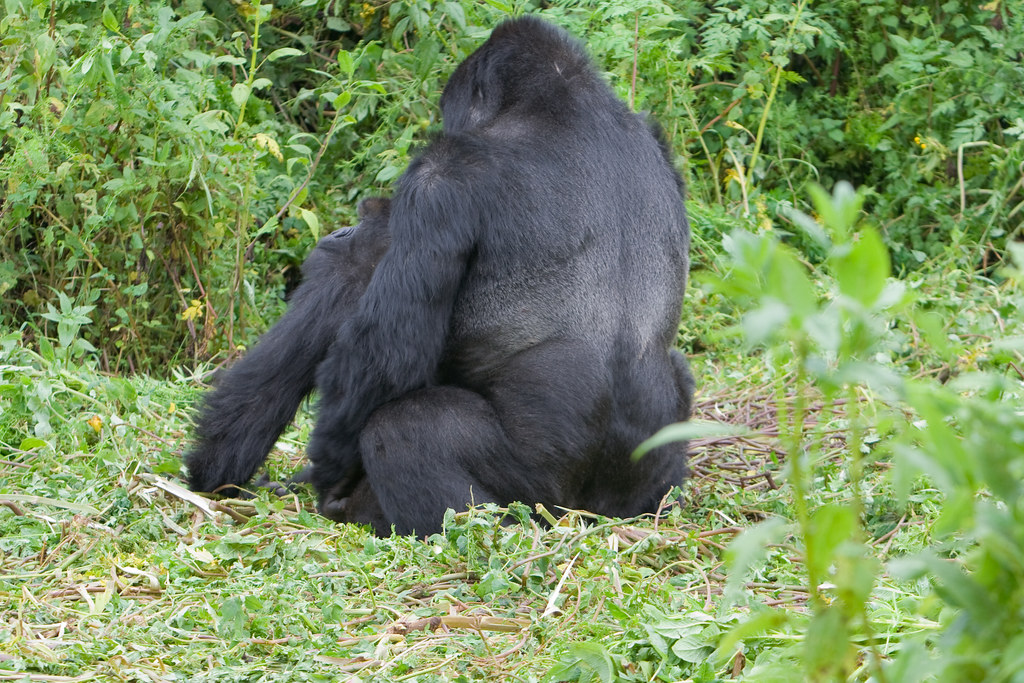
Gorilla Mating Behavior and Reproduction: A Detailed Insight into Social Structure, Life Cycles, and Conservation
Introduction: Understanding Gorilla Reproduction in the Wild
Gorilla mating and reproduction are deeply connected to social intelligence, hierarchy, and survival strategies, making them one of the most fascinating aspects of great ape behavior. As humanity’s closest living relatives alongside chimpanzees, gorillas share complex emotional bonds, family structures, and parenting systems that closely resemble our own. Yet, unlike humans, gorillas reproduce slowly, discreetly, and under strict social rules. This natural restraint is one of the main reasons gorilla populations are extremely vulnerable to environmental pressures and human interference. Exploring gorilla mating behavior offers not only biological understanding but also critical insight into why conservation efforts are so vital.
Gorilla Social Structure and Group Dynamics
Gorillas live in stable family groups built around a dominant silverback, who acts as leader, protector, and primary breeding male. A typical group includes one silverback, several adult females, their offspring, and sometimes younger subordinate males known as blackbacks. The silverback maintains order, resolves conflicts, and defends the group from predators and rival males. His authority is rarely challenged directly, as strength, experience, and confidence naturally reinforce his dominance.
This social structure plays a central role in reproduction. In most cases, the silverback monopolizes mating with all reproductive females in the group. This reduces internal competition and ensures genetic stability. Subordinate males usually leave the group upon maturity to form their own troops, a process that prevents inbreeding and spreads genetic diversity across regions.
How Gorilla Mating Occurs
Gorilla mating is quiet, brief, and rarely witnessed, particularly in the wild. Unlike many mammals, gorillas do not follow a strict breeding season. Females can enter estrus at any time of year, depending on physical readiness and social conditions. When receptive, a female often initiates mating by approaching the silverback, maintaining eye contact, or using subtle vocal cues. This female-driven initiation challenges common misconceptions that mating is aggressive or forced.
The mating act itself is short and calm, usually taking place away from the rest of the group in dense vegetation. Gorillas show a strong preference for privacy, which is why researchers and trackers seldom observe mating directly. This discretion is an evolutionary adaptation that minimizes stress, reduces conflict, and protects the social harmony of the group.
Female Choice and Reproductive Strategy
Female gorillas play an active role in mate selection, even within the silverback-dominated system. While the dominant male has primary mating rights, females may transfer between groups if they perceive another silverback as stronger or better able to protect future offspring. This movement ensures that females are not passive participants but strategic decision-makers focused on survival and infant success.
Female choice is also influenced by stability. A calm, experienced silverback who successfully defends his group is more attractive than a younger, aggressive male. This preference reinforces long-term group cohesion and increases the likelihood that infants will survive to adulthood.
Pregnancy and Gestation Period
After successful mating, a female gorilla experiences a gestation period of approximately eight and a half months, similar to that of humans. Pregnancy is not always obvious in its early stages, but as it progresses, the female becomes more sedentary and cautious. During this time, the silverback and other group members often show increased tolerance and protection toward the expectant mother.
Births usually occur at night or in secluded forest areas, further contributing to the rarity of observed deliveries in the wild. Gorilla births are generally uncomplicated, though infant survival is not guaranteed due to disease, accidents, or environmental stressors.
Birth and Early Infant Development
Gorilla infants are born small, fragile, and completely dependent on their mothers, weighing roughly two kilograms at birth. For the first few months, the infant clings constantly to the mother’s chest, relying on her for warmth, nutrition, and protection. Breastfeeding continues for several years, with gradual introduction of solid foods as the infant grows.
Mother-infant bonding is exceptionally strong. Female gorillas invest immense time and energy into nurturing their young, teaching them social cues, foraging behaviors, and group dynamics. This extended dependency period ensures proper physical and emotional development but significantly limits how often a female can reproduce.
Parenting Roles Within the Group
Although mothers provide direct care, parenting is a group responsibility, with the silverback playing a critical protective role. The dominant male frequently interacts with infants, allowing them to climb on him, play nearby, and remain within his protective presence. This behavior increases infant survival by deterring predators and rival males that may attempt infanticide during group takeovers.
Other females may also show interest in newborns, though mothers remain cautious about allowing close contact in the early stages. These interactions help reinforce social bonds and prepare young gorillas for life within the troop.
Long Birth Intervals and Slow Population Growth
Gorillas have exceptionally long birth intervals, often ranging from four to six years, which is among the slowest reproductive rates of any large mammal. A female typically raises one infant to near independence before becoming pregnant again. This slow cycle means that a female gorilla may produce only a few offspring during her entire lifetime.
This reproductive limitation has profound conservation implications. Any loss of adult females or infants can take decades to recover, making gorilla populations extremely sensitive to poaching, habitat destruction, disease outbreaks, and political instability in their range countries.
Differences Between Gorilla Subspecies
Mountain gorillas and lowland gorillas share similar mating systems but differ in environmental influences. Mountain gorillas live at higher altitudes with abundant vegetation, allowing them to remain within smaller home ranges. This stability supports tighter group structures and higher visibility to researchers.
Lowland gorillas, on the other hand, inhabit vast forest ecosystems and may travel longer distances in search of food. Their groups can be more fluid, and encounters with humans are less frequent, making behavioral observation more challenging. Despite these differences, reproductive patterns remain largely consistent across subspecies.
Threats to Gorilla Reproductive Success
Human activity poses the greatest threat to gorilla reproduction, both directly and indirectly. Habitat loss reduces access to food and safe breeding areas, while poaching disrupts group stability by removing silverbacks or reproductive females. Disease transmission from humans, particularly respiratory infections, has become one of the most serious risks, especially for mountain gorillas exposed to tourism.
Stress caused by habitat fragmentation and human encroachment can also suppress reproduction. Females may delay breeding in unstable environments, further slowing population growth.
Conservation Efforts and Reproductive Protection
Protecting gorilla reproduction requires long-term, multi-layered conservation strategies. Anti-poaching patrols, habitat preservation, veterinary interventions, and controlled tourism all contribute to maintaining healthy breeding groups. Veterinary teams monitor pregnancies, treat injured infants, and respond to disease outbreaks, directly improving reproductive success.
Responsible tourism plays a positive role when properly managed. Revenue from gorilla trekking supports conservation programs and local communities, creating incentives to protect gorilla families and their habitats.
Conclusion: Why Gorilla Reproduction Deserves Global Attention
Gorilla mating and reproduction reflect a delicate balance between biology, intelligence, and social cooperation. Their slow reproductive rate, strong family bonds, and reliance on stable leadership make them uniquely vulnerable in a rapidly changing world. Understanding how gorillas reproduce deepens respect for their complexity and highlights the urgency of conservation.
Every healthy birth represents hope for the future of the species. By protecting gorilla habitats, supporting conservation initiatives, and promoting responsible wildlife engagement, humanity plays a direct role in safeguarding one of its closest relatives. Gorilla reproduction is not merely a biological process; it is a powerful reminder of the responsibility we share in preserving life on Earth.