Gorilla Safaris Congo: Is the DRC Safe for Tourists in 2026?
The idea of a gorilla safari in the Democratic Republic of the Congo (DRC) is one of the most adventurous wildlife experiences in Africa. It is raw, remote, and deeply connected to some of the last remaining habitats of mountain gorillas on Earth. For many travelers, the ultimate destination is Virunga National Park, a UNESCO-listed park that combines volcanic landscapes, dense rainforest, and extraordinary biodiversity.
However, alongside its beauty and conservation significance, the DRC also carries a reputation for instability and security concerns. This creates a critical question for travelers in 2026: is it actually safe to visit for gorilla trekking?
The answer is not simple. Safety in the DRC is highly regional, constantly changing, and strongly dependent on current political and security conditions. This blog explores the real situation on the ground, what risks exist, where travel may still be possible, and how to think responsibly about planning a gorilla safari in Congo today.
Understanding the DRC Travel Reality in 2026
The DRC is one of Africa’s most complex countries from a travel perspective. It is enormous, resource-rich, and ecologically diverse, but it has also experienced decades of conflict in certain regions. Because of this, most international governments continue to issue cautious or restrictive travel advisories.
The key issue is not that the entire country is unsafe, but that safety varies dramatically by region. Some areas are heavily affected by armed group activity, while others operate relatively normally with tourism infrastructure supported by conservation organizations.
For travelers, this means the DRC cannot be treated like a typical safari destination. Travel requires constant awareness of current conditions, reliance on trusted operators, and a willingness to adjust plans quickly if needed.
The Main Gorilla Trekking Destination in Congo
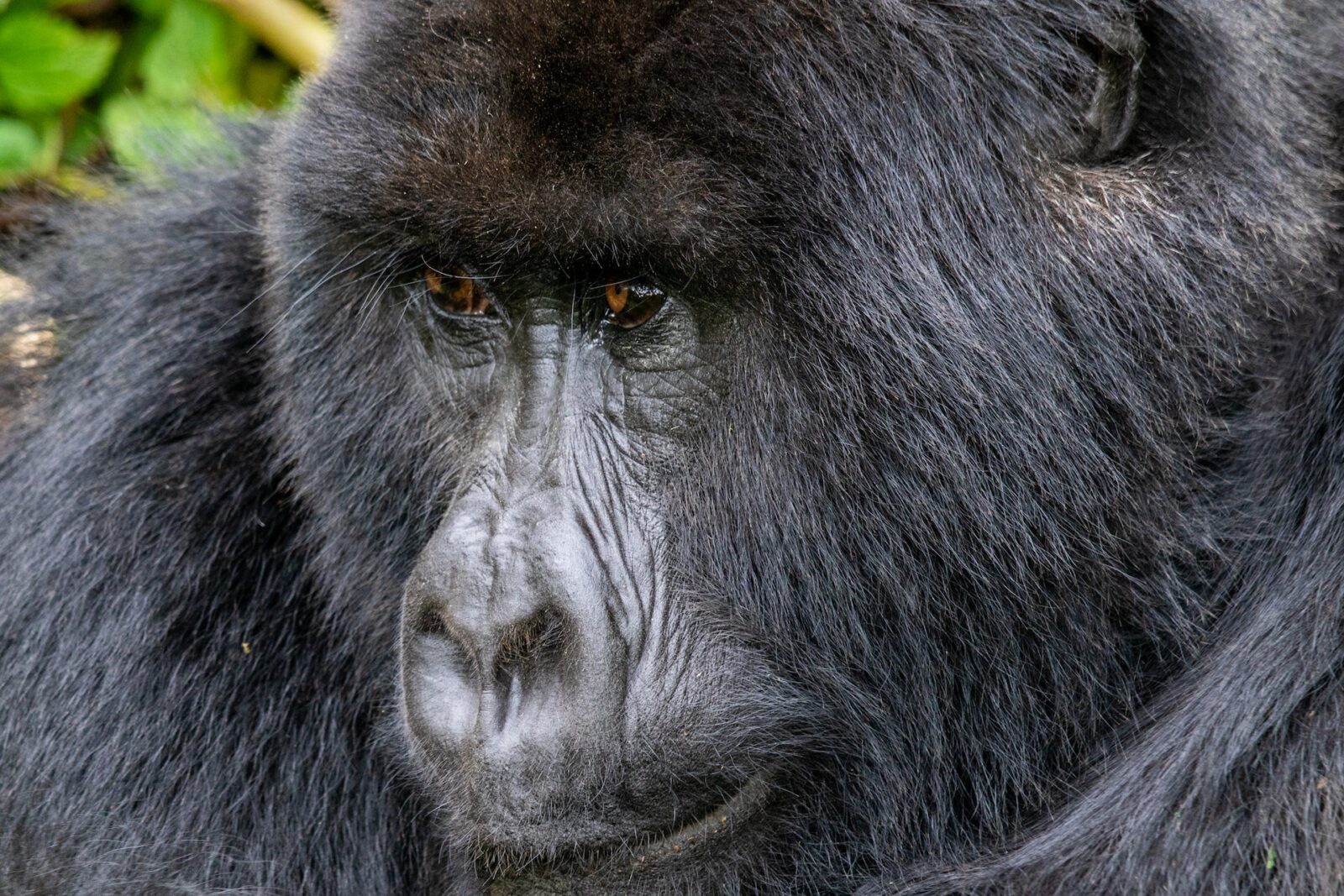
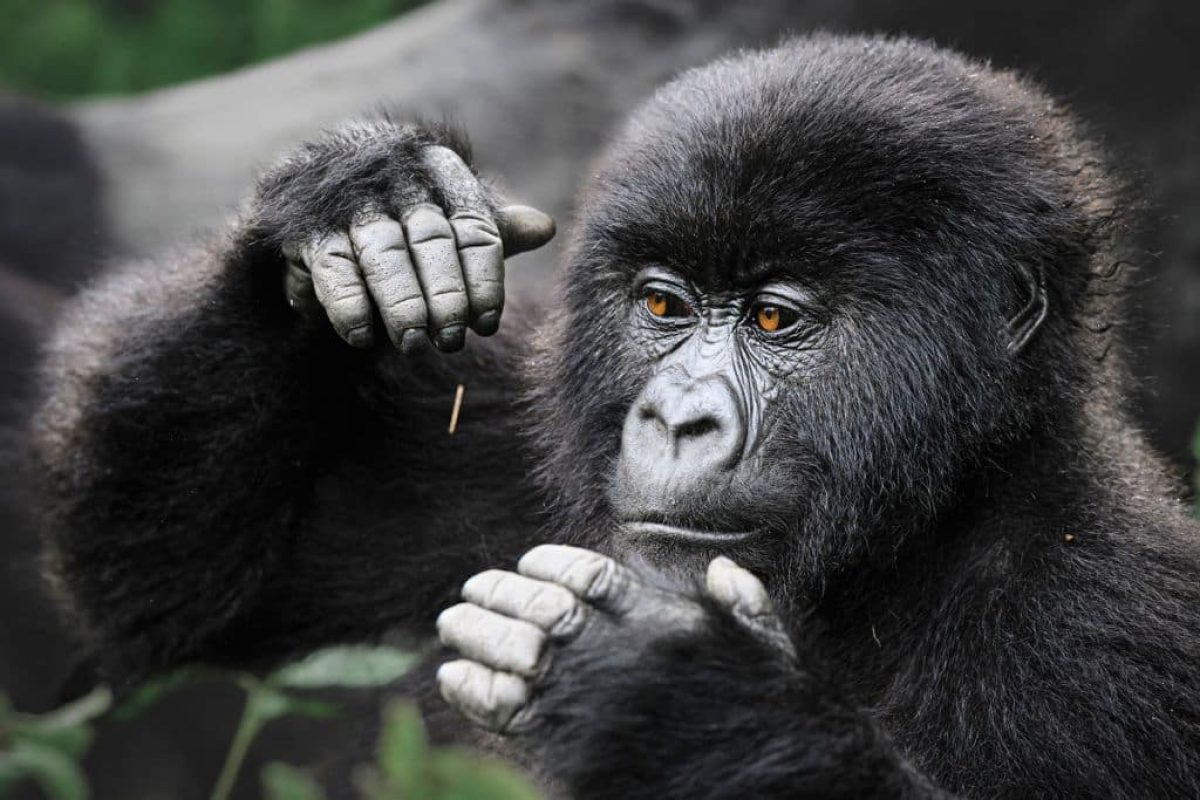
Most gorilla tourism in the DRC is centered around Virunga National Park, located in the eastern part of the country near the borders of Rwanda and Uganda. This park is one of the oldest protected areas in Africa and is home to mountain gorillas living in volcanic highlands.
Virunga is unique because it combines wildlife tourism with active conservation work. Tourism revenue directly supports ranger programs, habitat protection, and anti-poaching efforts. In fact, gorilla trekking here is often described as both a wildlife experience and a conservation contribution.
However, its location in eastern DRC also places it within a region that has historically experienced armed conflict and instability. This geographic reality is central to understanding the safety debate.
What Makes Safety in Eastern DRC Complicated
Eastern DRC is influenced by multiple overlapping challenges. These include armed group activity in some remote areas, localised conflict near certain border regions, and shifting security dynamics that can change quickly.
Even when tourist areas like Virunga are relatively stable, surrounding regions may not be. This creates a fragile environment where tourism is carefully controlled but still exposed to external risks.
For this reason, access to gorilla trekking areas is tightly managed. Visitors typically move only within approved routes, accompanied by armed park rangers and trained guides. Movement outside designated zones is strongly discouraged.
The presence of armed protection during treks is not meant to create fear but reflects the realities of operating in a conservation area that exists within a complex security landscape.
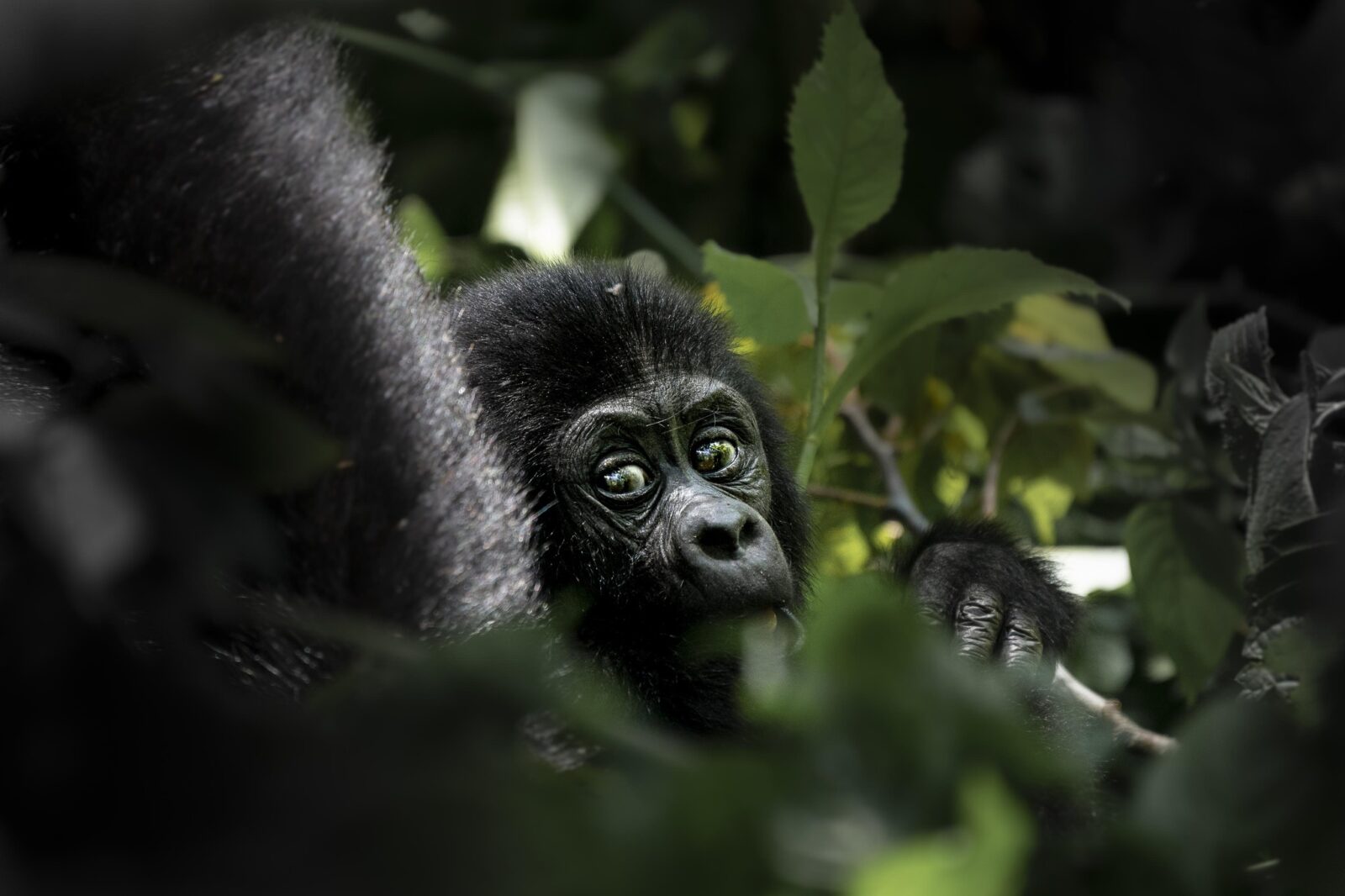
Gorilla Safaris Congo
Official Travel Advisories and What They Mean
Most major governments maintain cautious travel advisories for the DRC. These typically include warnings about armed conflict in eastern provinces, risks of violent crime in certain regions, and limited emergency support in remote areas.
In practical terms, this means:
Travel is generally discouraged in large parts of eastern DRC unless for essential or highly organized purposes
Tourism is considered higher risk compared to neighboring Uganda or Rwanda
Independent travel is strongly discouraged
Specialized tour operators are essential for any gorilla trekking plans
These advisories are not blanket statements that no travel is possible anywhere in the country. Instead, they reflect a risk management approach based on the unpredictability of certain regions.
Is Gorilla Trekking in Virunga Actually Possible?
Yes, gorilla trekking in Virunga National Park is still possible in 2026 under specific conditions. However, it is not guaranteed year-round and depends heavily on security assessments at the time of travel.
Tours are typically organized through official park authorities and trusted conservation-linked operators. Treks are conducted in controlled conditions, with ranger escorts and strict route planning.
Even when trekking is open, it may be suspended temporarily if security conditions change. This unpredictability is one of the defining characteristics of tourism in the region.
For this reason, many travelers view Congo gorilla trekking as a “conditional adventure” rather than a standard itinerary item.
Crime and Urban Safety Considerations
Outside of wildlife areas, general safety in the DRC varies widely between cities and rural regions.
In major urban centers such as Kinshasa, daily life continues normally in many districts, but petty crime and opportunistic theft can occur. In eastern regions, risks are more closely related to political instability and armed activity rather than typical urban crime.
For tourists, this means that movement should always be planned carefully, with trusted transport and local guidance. Independent exploration is not recommended in unfamiliar areas.
Health Risks and Environmental Factors
Beyond security, health considerations are an important part of travel planning in the DRC. The country has tropical conditions where diseases such as malaria are present year-round, and medical infrastructure can be limited in remote areas.
Travelers are typically advised to ensure vaccinations are up to date and to carry malaria prevention medication. Hydration, food safety, and insect protection are also important, especially for multi-day trekking trips.
Because gorilla trekking takes place in dense rainforest, weather conditions can also be challenging. Trails may be muddy, steep, and physically demanding, adding an additional layer of risk that is environmental rather than security-related.
How Tour Operators Manage Risk
One of the key factors that makes gorilla trekking in eastern DRC possible at all is the role of specialized operators and conservation organizations.
These operators work closely with park authorities to monitor security conditions in real time. Treks are only approved when conditions are deemed stable enough. Routes are adjusted based on intelligence from ranger teams on the ground.
Visitors are also typically briefed extensively before trekking and are required to follow strict safety protocols. This controlled approach significantly reduces risk within the park boundaries, even if surrounding regions remain unpredictable.
Comparing Congo with Rwanda and Uganda
Many travelers who are interested in mountain gorillas often compare the DRC with Rwanda and Uganda.
Rwanda offers the most structured and secure gorilla trekking experience, with excellent infrastructure and short travel times from the capital. Uganda provides a more rugged but stable alternative with multiple trekking locations.
The DRC, by contrast, offers the most raw and adventurous experience. It is less commercialized, more remote, and often more emotionally intense due to its environment and conservation context.
However, it also carries the highest level of uncertainty, which is why many first-time gorilla trekkers choose Rwanda or Uganda before considering Congo.
Gorilla Safaris Congo
So, Is the DRC Safe for Tourists in 2026?
The most accurate answer is that safety in the DRC is conditional rather than absolute.
In controlled tourism zones like Virunga National Park, gorilla trekking can take place safely under strict management and armed ranger protection. These experiences are carefully regulated and designed to minimize exposure to external risks.
However, outside these zones, parts of eastern DRC remain unstable, and many governments continue to advise against travel to certain regions.
This means the DRC is not a casual travel destination. It is a destination for highly prepared, well-informed, and risk-aware travelers working with experienced operators.
Final Thoughts
A gorilla safari in the DRC is one of the most powerful wildlife experiences in Africa, but it is also one of the most complex to plan safely.
For 2026 travelers, the key decision is not just whether the experience is possible, but whether the current conditions align with your personal risk tolerance and travel expectations.
If you choose to go, preparation is everything. If you choose alternative destinations like Uganda or Rwanda, you will still experience extraordinary gorilla encounters with fewer logistical uncertainties.
Either way, the mountain gorillas remain the true highlight, and conservation efforts across the region continue to ensure their survival in one of the most remarkable ecosystems on Earth.