Gorilla Safaris on a Budget: The Cheapest Realistic Options in 2026
Overview: Experiencing Gorillas Without Breaking the Bank
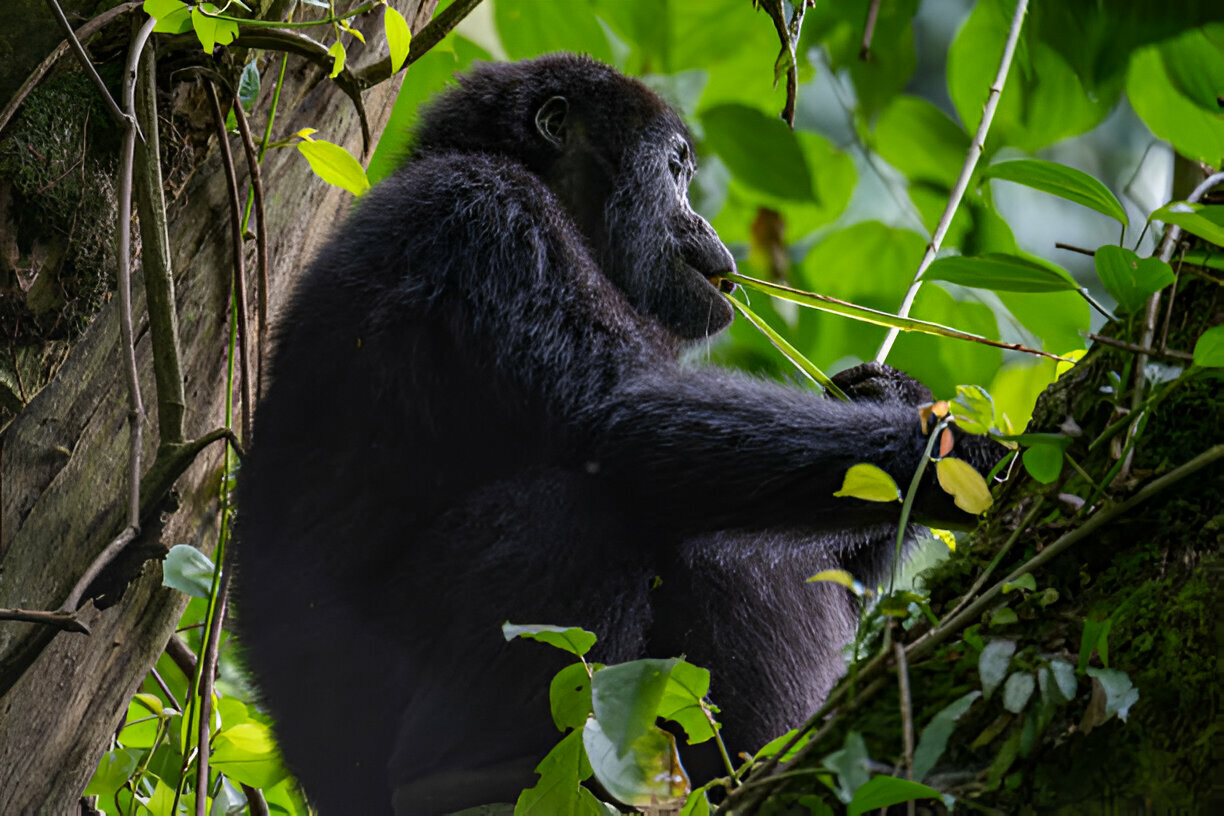
Gorilla safaris are one of the most awe-inspiring wildlife experiences in the world, yet many travelers assume they are out of reach due to cost. In 2026, with careful planning and realistic expectations, it is entirely possible to enjoy a genuine mountain gorilla trek without overspending. While permits, lodging, transport, and guide fees are unavoidable, there are strategies to reduce overall costs while still ensuring a safe, immersive, and memorable safari.
Budget gorilla safaris focus on minimizing expenses without compromising the experience. By understanding which destinations offer affordability, when to travel, and what to prioritize in your itinerary, first-time and repeat trekkers can achieve a cost-effective adventure in Uganda, Rwanda, or the Democratic Republic of Congo (DRC).
What Determines Gorilla Safari Costs
The primary driver of cost is the gorilla trekking permit. In 2026, permit prices are approximately $800 per person in Uganda, $1,500 in Rwanda, and around $400 in the DRC. These fees support anti-poaching initiatives, habitat preservation, and local community development.
Other expenses include accommodation, transportation, guided services, and optional activities. Lodges and camps range from basic budget options to luxury forest lodges, and transportation may involve flights, ground transfers, or guided tours. Understanding where costs can be reduced without affecting safety or the quality of the gorilla encounter is essential for budget-conscious travelers.
Democratic Republic of Congo: The Most Affordable Option
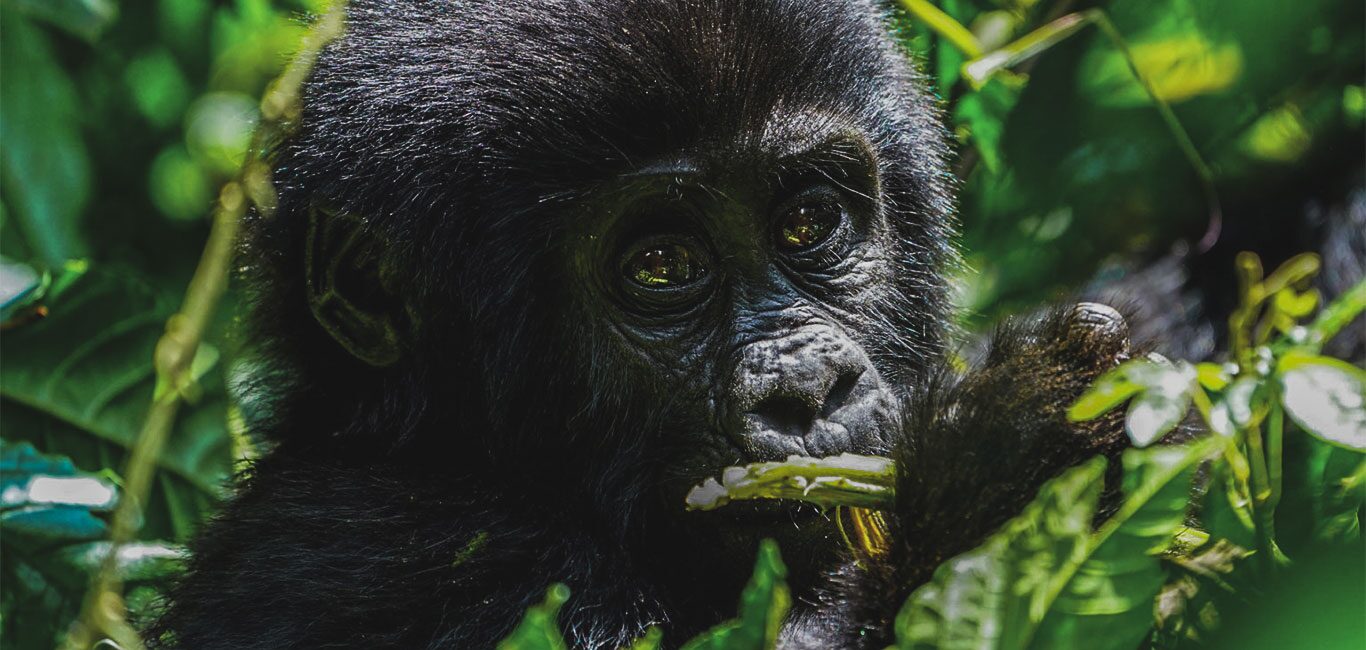
For those seeking the lowest permit costs, the DRC is the clear choice. Virunga National Park offers permits around $400, making it the cheapest entry point to see mountain gorillas in the wild.
However, trekking in the DRC is more rugged and requires flexibility and preparedness. Trail infrastructure is less developed, and logistics may involve complex planning, additional permits, or security considerations. Travelers choosing this option should work with reputable operators who provide guidance, transport, and safety support.
The DRC is ideal for adventure-seekers who prioritize cost over comfort. Although permits are low, other travel arrangements, such as visas, transport, and insurance, can affect total expenses, so careful budgeting is necessary.
Uganda: The Best Balanced Budget Option
Uganda offers the most realistic balance of affordability, accessibility, and infrastructure. Trekking permits in Bwindi Impenetrable National Park cost around $800 per person, and Mgahinga Gorilla National Park permits are approximately $600. Uganda also provides multiple trekking sectors, each with different levels of difficulty and terrain.
Budget strategies in Uganda include:
-
Traveling in low season to take advantage of reduced lodge rates and less crowded trekking groups.
-
Choosing budget accommodation such as community lodges or guesthouses near trailheads, typically ranging from $30–$80 per night.
-
Sharing transport and joining group tours to split costs for guides and vehicles.
-
Staying close to trailheads to minimize daily transfers and early morning travel.
Uganda’s diverse sectors, including Buhoma, Rushaga, Ruhija, and Nkuringo, also allow trekkers to select routes that match their fitness and budget, making it highly flexible for first-time or budget travelers.
Rwanda: Premium Experience, Limited Budget Scope
Rwanda is a premium gorilla trekking destination, with Volcanoes National Park commanding $1,500 permits for international visitors. This high cost reflects both the exclusive, small-group experience and the park’s significant conservation funding model.
While budget savings are possible in Rwanda by selecting guesthouses in nearby towns, using public transportation, or joining shared tours, the permit itself remains the dominant expense. As such, Rwanda is less practical for strict budget travelers, though it offers unmatched service, high-quality trails, and guaranteed wildlife encounters for those willing to invest.
Practical Budget Planning Strategies
Time Your Trip Wisely
Travel during the low or shoulder seasons (March–May and October–November) to take advantage of discounted accommodation rates, less crowded parks, and sometimes promotional permit arrangements. While trails may be muddier, these months provide significant savings and a quieter trekking experience.
Use Shared Services
Joining group tours or shared transport allows travelers to split costs for guides, vehicles, and porters, substantially lowering individual expenses without affecting safety or the core trekking experience.
Choose Accommodation Near Trailheads
Selecting lodges or guesthouses close to trekking start points reduces early-morning transport needs and minimizes additional costs. Community-run lodges also provide an affordable and culturally immersive experience.
Combine Activities Strategically
Adding optional wildlife experiences or cultural visits can maximize value without significantly increasing costs. For example, chimpanzee tracking in Uganda or a short game drive in Queen Elizabeth National Park can often be included in budget itineraries at modest extra cost.
Manage Expectations
Understand that gorilla safaris are inherently expensive compared to other wildlife experiences. While costs can be minimized through strategic planning, permits, basic accommodation, and guided support still represent the bulk of the budget.
Realistic Budget Ranges for 2026
Uganda: A 3-day budget trek may cost $1,200–$1,500 per person, including permits, basic lodging, shared transport, and meals.
DRC: A budget-focused trek could range from $1,000–$1,300 per person, depending on permit availability and logistical arrangements.
Rwanda: Even with careful planning, a budget trek will likely cost $2,000–$2,500 per person due to the high permit fee, though sharing accommodation and transport may offer slight savings.
Choosing the Best Budget Destination
-
DRC — lowest permit costs but requires logistical flexibility and adventure tolerance.
-
Uganda — best combination of affordability, accessibility, and infrastructure.
-
Rwanda — premium experience with limited scope for budget travel.
Conclusion
Budget gorilla safaris are achievable in 2026 with realistic expectations, careful planning, and strategic choices. By selecting the right destination, traveling in low season, using shared services, and choosing affordable accommodations, travelers can experience the thrill of observing mountain gorillas without overspending.
Uganda and the DRC offer the most practical paths for cost-conscious travelers, while Rwanda remains a premium option for those willing to invest. With preparation and planning, a budget gorilla safari can be a safe, immersive, and unforgettable wildlife adventure that supports conservation and local communities while creating memories that last a lifetime.