Gorilla Trekking Safari Activities: Combining Primates, Wildlife, Culture, and Adventure
Gorilla trekking safaris are among the most unique wildlife experiences in the world. Visiting gorillas in their natural habitat offers not only unforgettable encounters with these gentle giants but also an opportunity to explore the rich ecosystems and vibrant cultures of East and Central Africa. The adventure goes beyond observing gorillas; it encompasses diverse activities that complement trekking and make a safari truly holistic.
A well-planned gorilla safari combines adventure, nature, and cultural immersion. From tracking other primates to hiking volcanic peaks, participating in community tours, and observing the wide variety of wildlife, these experiences create a comprehensive journey that appeals to all types of travelers.
Chimpanzee Tracking
Chimpanzee tracking is an excellent addition to gorilla trekking. Forests like Kibale in Uganda, Nyungwe in Rwanda, and Gombe Stream in Tanzania provide opportunities to observe chimpanzees in their natural habitat. Guided treks allow visitors to watch chimpanzees use tools, forage, and interact socially, offering insights into their complex behaviors.
This activity complements gorilla trekking by expanding primate experiences. Chimpanzees are more arboreal and playful than gorillas, providing contrast in behavior and observation techniques. Tracking also strengthens appreciation for forest ecosystems and conservation efforts.
Savannah Safari Game Drives
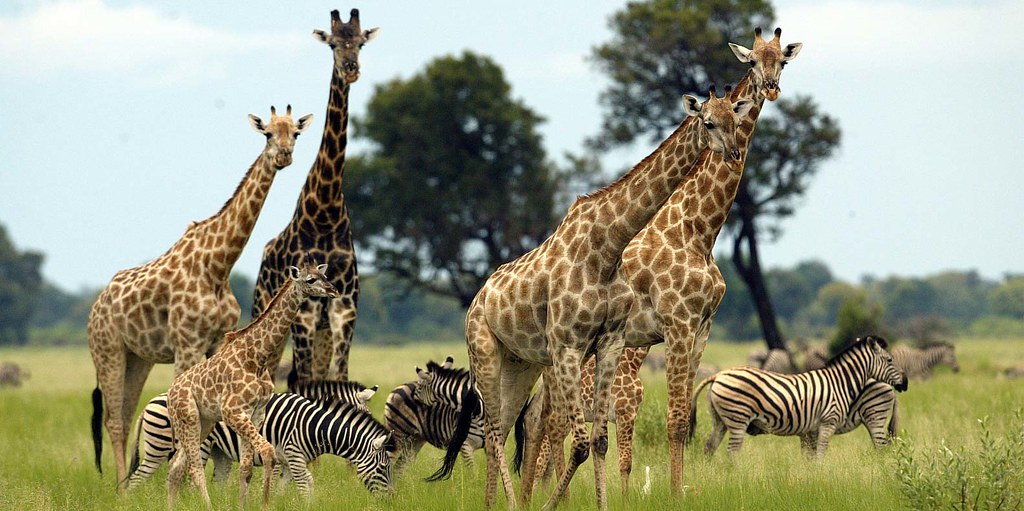
Pairing gorilla trekking with traditional safari drives offers the chance to see Africa’s iconic wildlife. Parks such as Queen Elizabeth National Park in Uganda, Akagera National Park in Rwanda, and Serengeti National Park in Tanzania allow travelers to encounter lions, elephants, buffalo, leopards, rhinos, zebras, and wildebeest.
Early morning and late afternoon drives maximize wildlife viewing. Animals are most active during cooler parts of the day, and the lighting is ideal for photography. Combining gorilla trekking with savannah safaris creates a balance between forest and open savannah experiences.
Golden Monkey Trekking
Golden monkey trekking adds a colorful and playful primate encounter. These monkeys inhabit bamboo forests in Volcanoes National Park in Rwanda and Mgahinga National Park in Uganda.
Golden monkeys are easier to track than gorillas, making them suitable for families or travelers seeking a shorter, less physically demanding trek. Observing their acrobatic movements and social interactions provides a fascinating primate perspective alongside gorilla experiences.
Nature Walks and Bird Watching
Guided forest walks offer close encounters with flora and fauna. Gorilla habitats host hundreds of bird species, including hornbills, turacos, and sunbirds. Visitors can observe unique plants, medicinal herbs, and smaller wildlife while learning about the ecosystem’s interconnectedness.
Bird watching enhances wildlife appreciation. Enthusiasts can photograph rare species, listen to complex calls, and gain a deeper understanding of forest ecology. These walks complement gorilla trekking by highlighting biodiversity beyond the primates themselves.
Cultural Experiences with Local Communities
Interacting with indigenous communities adds depth to the safari. The Batwa Pygmies in Uganda or mountain communities in Rwanda offer cultural tours, traditional dances, craft workshops, and local cuisine experiences.
Cultural immersion fosters understanding of human-wildlife coexistence. Learning how communities participate in conservation and manage natural resources provides insight into the broader impact of tourism and responsible travel.
Scenic Hikes and Volcano Exploration
Volcanic landscapes provide breathtaking scenery and adventure. Mountains such as Karisimbi, Sabinyo, and Muhabura in Rwanda and Uganda are accessible via guided hikes. Trails pass crater lakes, lush forests, and sometimes thermal hot springs.
Hiking complements gorilla trekking physically and visually. The elevation offers panoramic views of the forests below and adds variety to the safari itinerary, appealing to travelers seeking both adventure and natural beauty.
Photography Safaris
Combining trekking with photography ensures lasting memories. Professional guides can help identify vantage points for capturing gorilla behaviors, scenic landscapes, and interactions within troops.
Best times for photography are early morning or late afternoon. The soft light penetrating dense forests enhances images of gorillas, golden monkeys, and other wildlife. Photography safaris also encourage patience and observation, deepening the connection with nature.
Canoeing, Boat Rides, and Water Activities
Nearby lakes and rivers allow for water-based excursions. In Uganda, Kazinga Channel and Lake Mutanda provide opportunities for boating, bird watching, and spotting hippos and crocodiles.
These activities create balance in the safari experience. After physically demanding treks, relaxing on water while observing wildlife adds a tranquil dimension to the adventure.
Night Walks and Eco-Tours
Night walks reveal nocturnal wildlife in gorilla habitats. Guided tours can highlight smaller mammals, amphibians, and insects active after dark.
Eco-tours educate travelers about conservation. Guides explain habitat protection, anti-poaching efforts, and how local communities contribute to sustainable tourism, fostering environmental awareness alongside adventure.
Planning a Combined Gorilla Trekking Safari
Best months for gorilla trekking and complementary activities are the dry seasons: June–September and December–February. Trails are more accessible, and wildlife is easier to observe.
Preparation is key. Pack sturdy boots, gloves, rain jackets, walking sticks, binoculars, water, snacks, and lightweight backpacks. Ensure permits are arranged in advance, as gorilla trekking is regulated to minimize disturbance.
Ethical considerations. Maintain at least seven meters distance from gorillas, follow guide instructions, avoid flash photography, and report any rule-breaking. Responsible behavior protects both the animals and the integrity of your safari experience.
Combining activities maximizes your safari. By integrating gorilla trekking, chimpanzee and golden monkey tracking, game drives, birding, cultural tours, hiking, photography, boating, and night walks, travelers experience Africa’s forests, savannahs, rivers, and cultures in one cohesive adventure.
Conclusion
A gorilla trekking safari is more than observing primates; it’s a full-scale adventure blending wildlife, culture, and nature. Combining multiple activities enriches your experience, offering insights into primate behavior, forest ecosystems, and human-wildlife coexistence. Whether tracking chimpanzees, photographing golden monkeys, hiking volcanic landscapes, or engaging with local communities, these activities ensure a meaningful and unforgettable journey through East Africa’s most iconic habitats.