
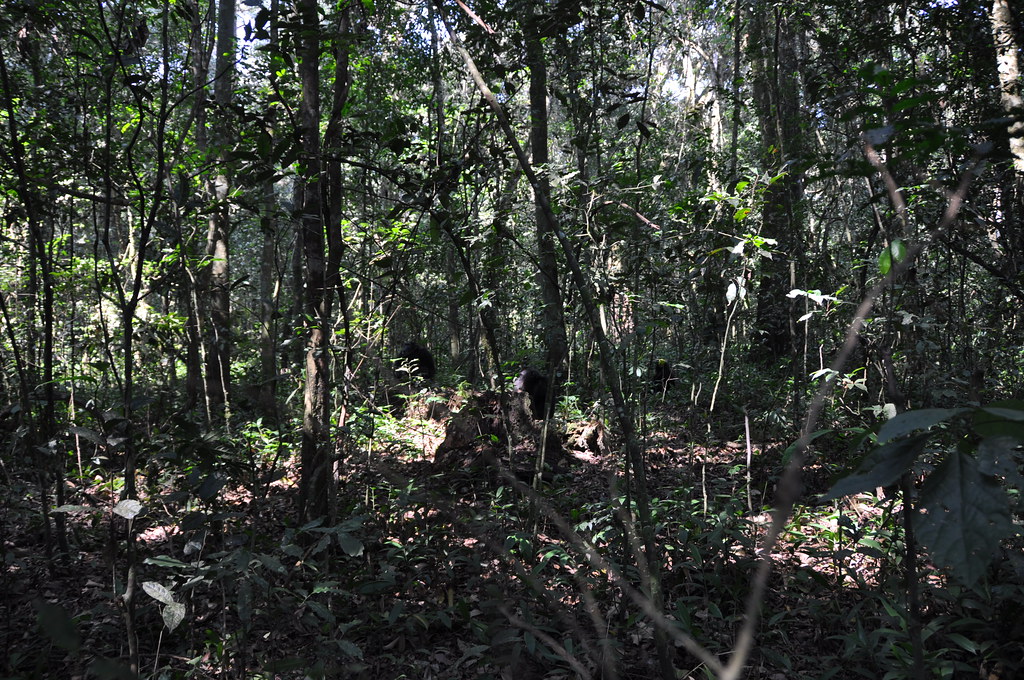
Guided Forest Walks in Kibale National Park
Nestled in the emerald heart of western Uganda, Kibale Forest National Park is often hailed as the Primate Capital of East Africa. While most visitors come here to trek chimpanzees, the park’s guided forest walks reveal a deeper, quieter side of the jungle — one where every step tells a story, and every sound carries the voice of the wild. These walks offer a chance to immerse yourself in the lush, ancient rainforest that shelters some of Africa’s richest biodiversity, creating an experience that is both peaceful and profoundly educational.
The Magic of Kibale Forest
Covering approximately 795 square kilometers, Kibale Forest is a mosaic of tropical rainforest, swamp, and woodland. The forest canopy rises high above the trails, filtering sunlight into a soft green glow, while the air hums with the calls of birds, insects, and primates. It is home to 13 species of primates, over 375 bird species, 70 mammal species, and countless butterflies and plants.
The guided forest walks are designed to let visitors connect deeply with this ecosystem — observing its rhythm, learning its secrets, and experiencing the forest beyond chimpanzee encounters.
The Guided Nature Walk Experience
Guided forest walks in Kibale are led by highly trained Uganda Wildlife Authority (UWA) rangers who are deeply knowledgeable about the park’s ecology, wildlife, and conservation efforts. The walks typically begin at the Kanyanchu Visitor Centre, where visitors are briefed on safety and the routes to follow.
The trails meander through dense vegetation, under towering fig trees and strangler vines, across small streams, and through clearings filled with butterflies. As you move quietly, your guide points out animal tracks, medicinal plants, bird calls, and even chimpanzee nests high in the canopy.
While the chimpanzee trek focuses on one species, the guided forest walk reveals the broader web of life in Kibale — red-tailed monkeys, grey-cheeked mangabeys, L’Hoest’s monkeys, blue duikers, and the occasional forest elephant. Every turn of the trail offers a new surprise.
Types of Guided Walks in Kibale
1. Regular Nature Walk (Kanyanchu Area)
This is the most popular option for visitors who wish to explore the forest without tracking chimpanzees. The 2–3-hour guided walk allows you to observe the park’s flora and fauna, from colorful butterflies to rare trees and bird species like the great blue turaco and African pitta. It’s ideal for those seeking a tranquil introduction to the rainforest.
2. Bigodi Wetland Sanctuary Walk
Located just outside the park, the Bigodi Wetland Sanctuary is a community-managed reserve that complements Kibale’s forest experience. A guided walk through Bigodi takes about 2 hours, following a scenic boardwalk through papyrus swamps and forest edges. This area is home to over 200 bird species and eight primate species, including the black-and-white colobus and red colobus monkeys. The walk also supports local conservation efforts and community tourism projects.
3. Nocturnal (Night) Forest Walk
For those seeking a truly unique adventure, Kibale offers guided night walks, starting around 7:30 PM and lasting about 1½ to 2 hours. With torches in hand, you follow your ranger into the forest under the glow of the moon, listening to the mysterious chorus of nocturnal life.
You may spot bush babies, pottos, tree hyraxes, nightjars, and sometimes even sleeping birds or active civets. The night walk transforms the forest into a world of shadows and whispers — mysterious, thrilling, and unforgettable.
What You’ll See on a Forest Walk
Every guided walk in Kibale is different, shaped by the season, time of day, and the moods of the forest. Some of the highlights may include:
-
Primates: Red-tailed monkeys, L’Hoest’s monkeys, olive baboons, vervets, and mangabeys.
-
Birds: Great blue turaco, African grey parrot, yellow-rumped tinkerbird, white-naped pigeon, and black bee-eater.
-
Plants & Trees: Towering mahoganies, giant figs, and medicinal plants used by local communities.
-
Butterflies & Insects: A kaleidoscope of colors — each one adding to the forest’s vibrant personality.
-
Small Mammals: Blue duikers, squirrels, and forest pigs, often glimpsed darting between shadows.
Best Time for Guided Walks in Kibale
Guided walks in Kibale are available year-round, but the dry seasons — from December to February and June to September — offer the best trekking conditions. Trails are less slippery, visibility is better, and the chances of spotting primates and birds are higher.
The wet seasons (March to May and October to November) bring a lush transformation to the forest, with new vegetation and butterflies in abundance, though walks may be more challenging due to muddy paths.
What to Bring
For a comfortable and enjoyable forest walk, it’s advisable to pack:
-
Sturdy hiking shoes with good grip
-
Long-sleeved clothing to protect against insects
-
A rain jacket or poncho
-
Insect repellent and sunscreen
-
Binoculars for birdwatching
-
A camera with extra batteries
-
Drinking water and light snacks
Conservation and Community Impact
Guided forest walks in Kibale are more than just a tourist activity — they are part of a greater conservation model that supports both wildlife and local communities. A portion of the fees goes directly to the Uganda Wildlife Authority and community initiatives such as schools, health centers, and forest-edge conservation programs.
By joining a guided walk, visitors contribute to the protection of this delicate ecosystem and the livelihoods of the people who live alongside it.
The Soul of the Forest
Walking through Kibale is a journey into stillness — a place where time slows, senses sharpen, and the forest reveals its hidden language. Whether it’s the distant hoot of a chimpanzee, the flapping wings of a turaco, or the smell of damp earth after rain, every moment feels alive and sacred.
Guided forest walks here are not just about seeing wildlife; they’re about feeling part of an ancient, breathing world — one that connects us all through its quiet wisdom and beauty.