
How Much Does a Meal Cost in Zanzibar? A Complete Guide for Travelers
Overview of Food Costs in Zanzibar
Understanding how much meals cost in Zanzibar is an important part of planning your travel budget, especially since the island offers a wide spectrum of dining experiences ranging from street food stalls to luxury beachfront restaurants. Located off the coast of Tanzania, Zanzibar is famous for its spices, fresh seafood, and fusion of African, Arab, Indian, and European culinary influences. This diversity is reflected not only in flavors but also in pricing, making it possible for both budget travelers and luxury visitors to enjoy memorable meals.
The cost of food depends largely on location, restaurant type, and whether you choose local or international cuisine. Tourist hubs tend to be more expensive, while local neighborhoods provide affordable and authentic options. Overall, Zanzibar remains reasonably priced compared to many global beach destinations, particularly when it comes to fresh seafood.
Street Food and Local Eateries: The Most Affordable Options
One of the most exciting aspects of visiting Zanzibar is the vibrant street food culture. In areas like Stone Town, evening food markets offer a wide range of freshly prepared dishes at very low prices. Travelers can enjoy grilled seafood skewers, chapati, samosas, cassava chips, and the famous Zanzibar pizza for just a few dollars.
Local restaurants known as “Swahili kitchens” provide hearty meals that are both filling and economical. Rice with beans, fish curry, coconut chicken, or vegetable stews are commonly available at prices that are significantly lower than tourist restaurants. These meals are not only affordable but also offer an authentic taste of island culture.
Budget-conscious travelers can comfortably eat several meals per day without spending much, especially when choosing local dining spots instead of international restaurants.
Mid-Range Restaurants: Balance Between Comfort and Price
Mid-range dining options are widely available across Zanzibar, particularly in coastal areas popular with visitors such as Nungwi and Paje. These restaurants typically provide comfortable seating, varied menus, and both local and international cuisine.
Meals in this category often include freshly grilled seafood, pasta dishes, burgers, or Swahili specialties served in a relaxed setting. Prices are higher than local eateries but still reasonable compared to Western standards. Many travelers find mid-range restaurants to offer the best balance between cost, quality, and ambiance.
Beachfront dining also falls into this category, where guests pay slightly more for ocean views and atmosphere. Sunset dinners along the Indian Ocean are particularly popular and contribute to the overall experience rather than just the meal itself.
Luxury Dining and Resort Restaurants
High-end resorts and fine dining establishments represent the most expensive meal options in Zanzibar. Luxury hotels often feature gourmet menus with international chefs, premium seafood, imported ingredients, and sophisticated presentation. Dining in these establishments can cost significantly more than local restaurants, but the experience includes high service standards, elegant environments, and exclusive settings.
Romantic dinners on the beach, private seafood barbecues, and multi-course tasting menus are common in luxury resorts. Travelers staying in upscale accommodations may also encounter meal packages or half-board arrangements, which can sometimes provide better overall value than paying individually for each meal.
Seafood Prices in Zanzibar
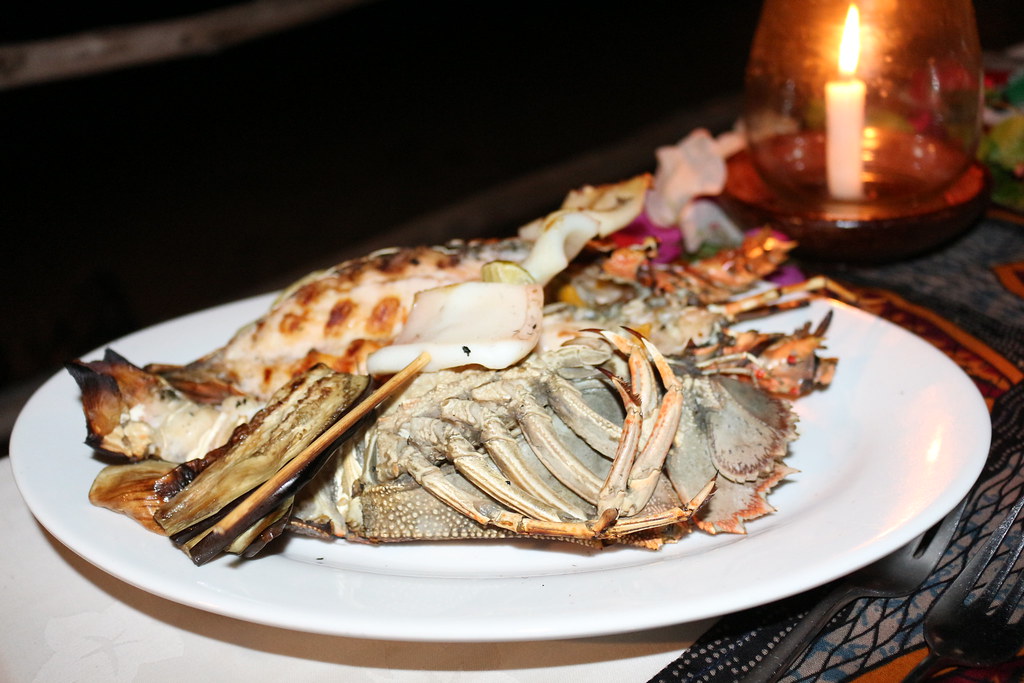
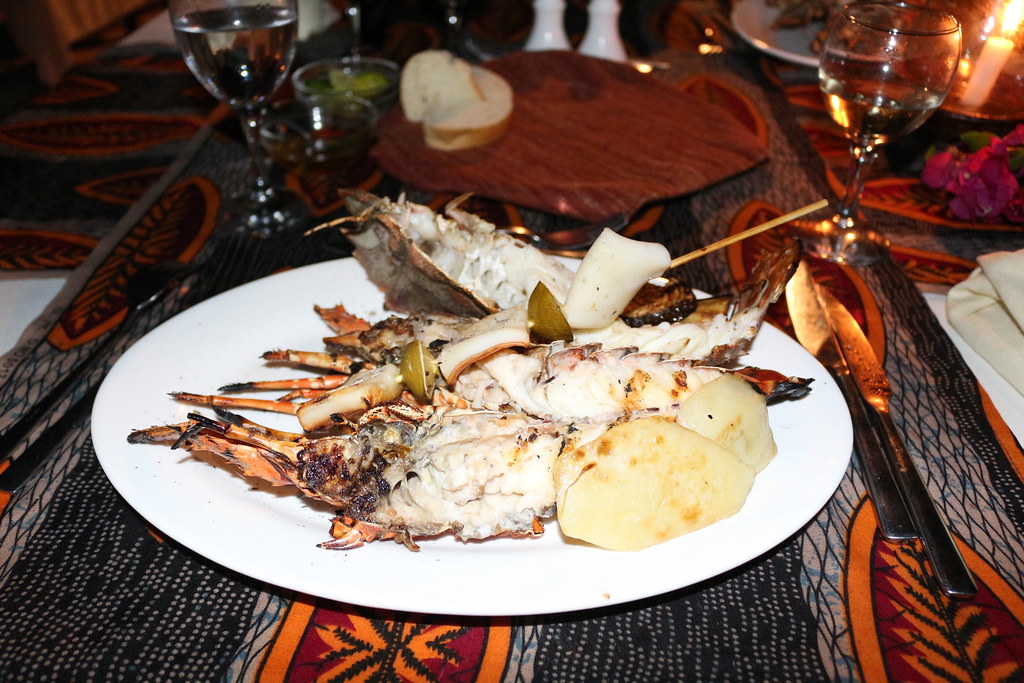
Seafood is one of the highlights of dining on the island, thanks to its proximity to the Indian Ocean. Fresh fish, lobster, prawns, octopus, and calamari are widely available and often cheaper than in many international destinations. Prices vary depending on the type of seafood, portion size, and restaurant category, but overall seafood remains a good value for travelers seeking high-quality meals.
Grilled seafood platters are especially popular and often include a mix of fish and shellfish served with rice, vegetables, or chips. The freshness of ingredients contributes significantly to the culinary experience, making seafood a must-try for visitors.
Factors That Influence Meal Costs
Several factors affect how much you will spend on food in Zanzibar. Location plays a major role, with tourist-heavy areas charging higher prices than local neighborhoods. Imported ingredients also increase menu prices, especially for Western-style dishes such as steaks or international cuisine.
Seasonality can influence costs as well. During peak tourism periods, restaurants may adjust pricing due to higher demand. Currency exchange rates and inflation also impact food costs over time, so prices may vary slightly depending on when you travel.
Another factor is dining style. Eating at hotels and resorts is typically more expensive than exploring local restaurants, while street food remains the most budget-friendly option. Travelers who mix different dining experiences often achieve the best balance between cost and variety.
Cost of Drinks and Additional Expenses
Beverages can add noticeably to the total cost of a meal. Fresh fruit juices are widely available and reasonably priced, while imported alcoholic drinks are usually more expensive due to taxes and transportation costs. Cocktails at beachfront bars or resorts tend to be priced higher than local beers or soft drinks.
Coffee culture is also growing in Zanzibar, with cafés offering espresso-based drinks, pastries, and light meals. Prices vary depending on location and ambiance, particularly in tourist centers.
Service charges may be included in restaurant bills, especially in higher-end establishments. Tipping is appreciated but not always mandatory, depending on the venue.
Budget Planning for Food in Zanzibar
Travelers can easily adjust their food budget depending on preferences. Those seeking affordability can rely on street food and local eateries for most meals, while still enjoying occasional restaurant dining. Visitors interested in culinary experiences may allocate a higher budget to explore seafood restaurants, rooftop dining, and resort cuisine.
A balanced approach often works best, combining local meals for authenticity with occasional upscale dining for special experiences. Zanzibar’s diverse food scene allows travelers to customize spending according to their priorities without sacrificing quality.
Cultural Dining Experiences and Local Cuisine
Food in Zanzibar reflects centuries of cultural exchange influenced by trade routes across the Indian Ocean. Swahili cuisine blends spices such as cloves, cinnamon, cardamom, and nutmeg with coconut milk, rice, and seafood. Traditional dishes like biryani, pilau, urojo soup, and grilled fish showcase the island’s unique culinary heritage.
Dining experiences often extend beyond the meal itself. Markets, spice tours, and cooking classes provide opportunities to learn about local ingredients and preparation methods. These experiences add cultural value to travel and deepen appreciation for Zanzibar’s gastronomic identity.
Final Thoughts on Meal Costs in Zanzibar
The cost of meals in Zanzibar varies widely, but the island offers excellent value for travelers across all budgets. Affordable street food, reasonably priced restaurants, and luxurious dining options coexist within a relatively small destination, making it easy to find meals that suit different preferences.
Whether enjoying a simple local dish in a neighborhood café or a romantic seafood dinner overlooking the ocean, Zanzibar provides memorable culinary experiences shaped by culture, history, and natural abundance. With thoughtful planning, travelers can enjoy delicious meals without overspending while still experiencing the island’s rich flavors and hospitality.