
How to Dress Appropriately in Zanzibar: A Complete Cultural and Practical Guide for Travelers
Overview of Dressing in Zanzibar
Understanding how to dress in Zanzibar is essential for both cultural respect and personal comfort. The island, which is part of Tanzania, blends stunning tropical beaches with deep-rooted traditions shaped by Swahili, Arab, and Islamic influences. While tourism is a major part of the economy and visitors are warmly welcomed, Zanzibar remains socially conservative in many public spaces, particularly outside resort environments. Dressing appropriately helps travelers avoid unwanted attention, show respect to local communities, and enjoy smoother interactions throughout their visit.
Climate also plays a significant role in clothing choices. Zanzibar has a hot, humid tropical climate throughout the year, meaning lightweight, breathable fabrics are essential regardless of where you plan to spend your time. Balancing modesty with comfort is the key to dressing successfully on the island.
Cultural Expectations and Local Norms
Respect for local customs is the most important factor when choosing what to wear. Zanzibar has a predominantly Muslim population, and modest dressing is a sign of politeness, especially in towns, villages, and non-tourist areas. Clothing that covers shoulders, cleavage, and knees is generally considered appropriate in public settings. Visitors who follow these guidelines are often treated with greater warmth and respect by local residents.
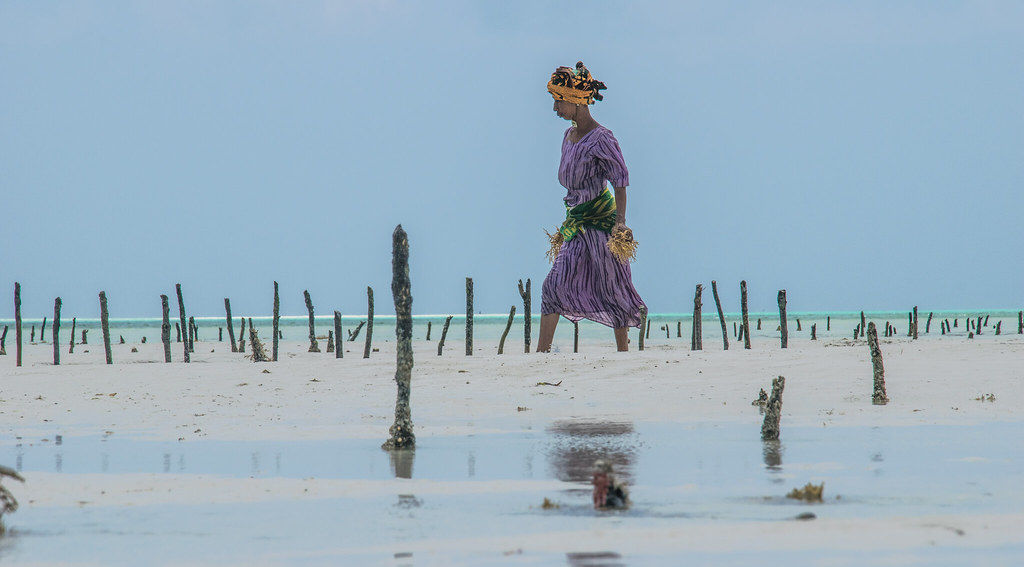
Traditional clothing among locals reflects these cultural values. Women commonly wear long skirts, dresses, or loose trousers paired with modest tops, often accompanied by a headscarf. Men typically wear trousers or knee-length shorts with shirts. Tourists are not expected to dress exactly the same way, but adopting similar levels of modesty is appreciated.
Dressing in Stone Town and Public Areas
Urban and historical areas require more conservative clothing than beaches or resorts. When exploring places such as Stone Town, modest attire is strongly recommended. This includes covering shoulders and wearing clothing that extends below the knees. Lightweight maxi dresses, linen trousers, loose shirts, and long skirts work perfectly for sightseeing while remaining comfortable in the heat.
Religious sites require additional consideration. When visiting mosques or culturally sensitive areas, both men and women should dress modestly, sometimes covering arms and legs fully. Women may also need to cover their heads with a scarf in certain locations. Carrying a lightweight shawl or scarf can be extremely useful for adapting quickly to different environments.
Beachwear and Resort Dress Code
Beach areas and private resorts have much more relaxed clothing expectations. Swimsuits, bikinis, shorts, and sleeveless tops are completely acceptable within hotel grounds and on designated beaches. However, even near beaches, it is respectful to cover up when walking through villages or public pathways. Wearing a sarong, cover-up, or loose shirt over swimwear when leaving the beach is considered polite.
Luxury resorts often follow international standards. Visitors staying in high-end accommodations can dress similarly to other tropical destinations, including casual summer clothing during the day and smart casual outfits for evening dining. Some upscale restaurants may have dress expectations for dinner, such as avoiding beachwear in dining areas.
Practical Clothing for Weather and Activities
Comfortable clothing suitable for heat and humidity is essential. Breathable fabrics such as cotton, linen, and moisture-wicking materials help manage perspiration and keep you cool. Loose-fitting garments are particularly effective in tropical climates because they allow airflow and reduce discomfort.
Sun protection should also influence clothing choices. Lightweight long-sleeved shirts, wide-brimmed hats, and sunglasses protect against strong equatorial sun exposure. Many travelers underestimate how intense the sun can be, especially during midday hours, making protective clothing both practical and necessary.
Footwear depends on your activities. Sandals or flip-flops are perfect for beaches and relaxed settings, while comfortable walking shoes are better for exploring towns, markets, or historical sites. Travelers planning excursions such as spice tours or nature walks should consider closed shoes for safety and comfort.
Dressing for Excursions and Cultural Experiences
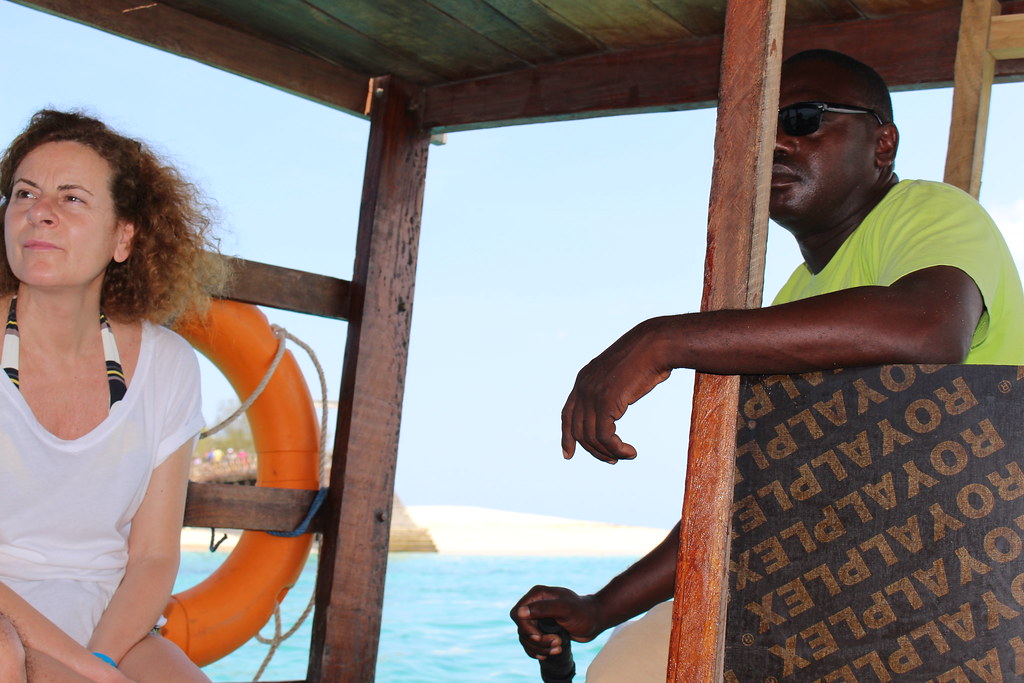
Different excursions may require specific clothing considerations. Boat trips, snorkeling, and beach excursions call for swimwear with light cover-ups, while visits to farms, villages, or forests require more practical attire such as breathable trousers and comfortable shirts. Planning outfits based on daily activities helps ensure comfort throughout your trip.
Cultural sensitivity remains important even during tours. Visitors interacting with local communities often receive more welcoming responses when dressed modestly. Respectful clothing choices contribute to positive cultural exchange and deeper travel experiences.
Evening and Dining Attire
Evening clothing in Zanzibar is typically casual but neat. Lightweight dresses, linen shirts, polo shirts, and comfortable trousers are common choices for dinners. Beachfront restaurants and resorts often encourage relaxed elegance rather than formal wear.
Mosquito protection becomes more important after sunset. Wearing light long sleeves and trousers in the evening can help reduce insect bites, particularly in areas with vegetation or near water. This practical consideration often influences nighttime clothing decisions as much as style preferences.
What Not to Wear in Zanzibar
Certain clothing choices may cause discomfort or cultural misunderstandings. Extremely revealing outfits, very short shorts, crop tops, or transparent clothing are generally discouraged outside resorts and beaches. Public intoxication combined with inappropriate clothing may also attract negative attention in conservative communities.
Military-style clothing should be avoided. In some African countries, camouflage patterns are associated with military or official use and may be restricted. Choosing neutral casual clothing eliminates potential issues.
Packing Tips for Dressing Appropriately
Packing versatile clothing simplifies travel in Zanzibar. Items that can transition between beach, town, and excursions are particularly useful. Lightweight layers, scarves, and multi-purpose garments help travelers adapt to different settings without overpacking.
Laundry services are widely available. Many hotels and lodges offer laundry options, allowing travelers to pack fewer clothes while maintaining comfort and cleanliness during their stay.
Confidence and Respect While Traveling
Appropriate clothing enhances both comfort and confidence. Travelers who dress respectfully often feel more at ease interacting with locals, exploring communities, and participating in cultural experiences. Understanding expectations removes uncertainty and allows visitors to focus fully on enjoying the destination.
Respectful dressing does not mean sacrificing personal style. Many travelers find creative ways to combine modesty with fashion, using colorful fabrics, flowing garments, and comfortable designs suited to tropical climates. Zanzibar’s vibrant cultural atmosphere actually complements stylish yet respectful clothing choices.
Conclusion: Dressing Smartly for a Better Zanzibar Experience
Choosing the right clothing in Zanzibar is about balancing culture, climate, and activities. Modest attire in public areas, relaxed beachwear in resorts, and practical clothing for excursions ensure both comfort and respect throughout your visit. Travelers who understand local expectations often enjoy richer experiences and more positive interactions with the communities they encounter.