
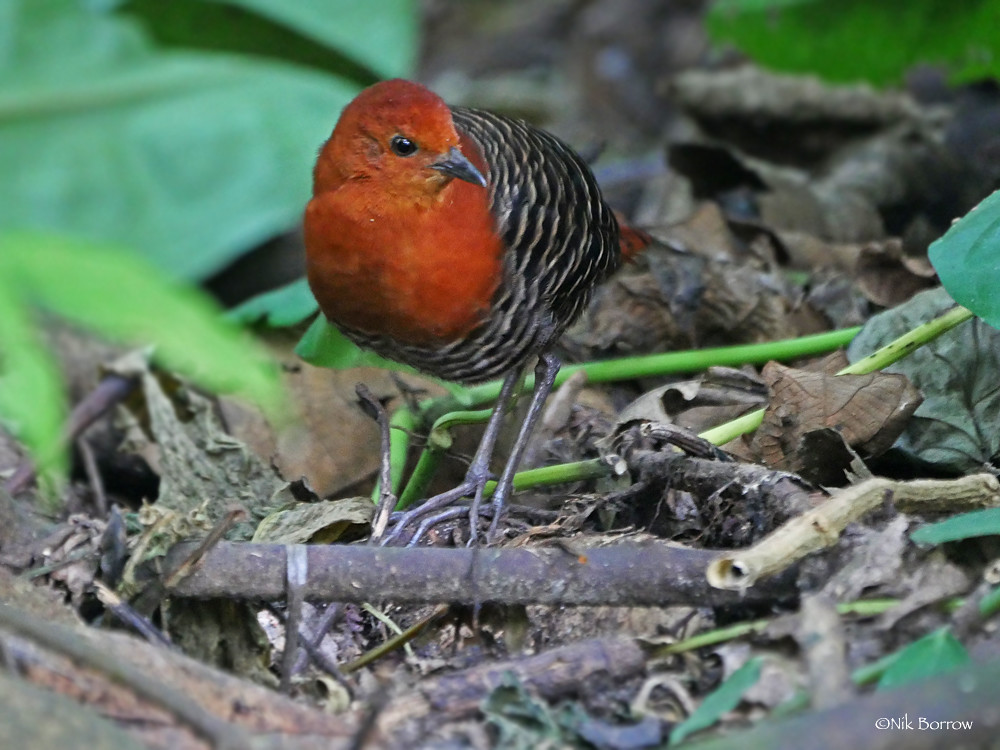
Nature Walks in Bigodi Wetland Sanctuary – Uganda’s Hidden Paradise for Birding Safaris
Tucked away at the edge of Kibale Forest National Park in western Uganda, the Bigodi Wetland Sanctuary is one of the country’s most enchanting ecotourism destinations. This lush, community-managed wetland is a paradise for birdwatchers, nature lovers, and photographers seeking authentic encounters with Uganda’s diverse flora and fauna.
The sanctuary is often called the “Home of the Great Blue Turaco” — and for good reason. With over 200 bird species, rich vegetation, and thriving primate populations, Bigodi offers a peaceful yet thrilling nature walk that beautifully complements Uganda’s primate and wildlife safaris.
About Bigodi Wetland Sanctuary
Bigodi Wetland Sanctuary lies just 6 kilometers from the Kanyanchu Visitor Center, the starting point for chimpanzee trekking in Kibale Forest National Park. The sanctuary covers about 4 square kilometers and forms part of the Magombe Swamp, a vital ecosystem that supports an impressive diversity of wildlife.
Managed by the Kibale Association for Rural and Environmental Development (KAFRED), Bigodi is one of Uganda’s most successful community-based tourism projects. Revenue from tourism directly benefits the local community through schools, health clinics, and conservation initiatives — making every visit a contribution to sustainable development.
The Nature Walk Experience
A guided nature walk through Bigodi Wetland is a journey into one of Uganda’s most vibrant ecosystems. The experience lasts 2 to 3 hours, led by knowledgeable local guides who share stories about the area’s plants, wildlife, and conservation success.
The trail meanders through woodlands, forest edges, and papyrus swamps, connected by raised boardwalks that allow visitors to explore without disturbing the environment. The air is filled with birdsong, and the scenery shifts from dense foliage to open views of the wetland’s shimmering waters.
What You Can Expect to See
1. Birdlife – A Birder’s Dream
Bigodi is a must-visit destination for birdwatchers on any Uganda birding safari. The sanctuary hosts over 200 bird species, including many endemic and rare ones. The star attraction is the Great Blue Turaco, with its striking blue, green, and yellow plumage.
Other notable species include:
-
Papyrus Gonolek
-
Black-crowned Waxbill
-
Yellow-billed Barbet
-
White-spotted Flufftail
-
African Paradise Flycatcher
-
Green-breasted Pitta (occasional sightings)
-
Dusky Crimsonwing
-
Superb Sunbird
Each walk feels like a live orchestra of chirps, calls, and flashes of color — a true paradise for bird lovers.
2. Primates and Mammals
Bigodi isn’t just for birders. It’s home to eight primate species, including:
-
Black-and-white colobus monkeys
-
Red-tailed monkeys
-
L’Hoest’s monkeys
-
Olive baboons
-
Blue monkeys
Occasionally, chimpanzees from Kibale venture into the swamp, adding extra excitement to the walk.
Small mammals like otters, bushbucks, and mongoose are also sometimes spotted, especially in quieter areas.
3. Flora and Wetland Beauty
The sanctuary’s lush vegetation — including towering palms, wild ferns, and papyrus — forms a dense, colorful backdrop. The boardwalk through the papyrus swamp is particularly scenic, offering opportunities to photograph reflections and tropical greenery.
4. Community and Cultural Encounters
Part of the walk passes near Bigodi Village, where visitors can interact with local residents, visit craft shops, and learn about life in rural Uganda. The Bigodi women’s group produces beautiful handmade crafts from natural materials, a perfect way to support local artisans.
Practical Information for Visitors (2025)
Location: Near Kibale Forest National Park, 35 km from Fort Portal.
Guided Walk Duration: 2–3 hours.
Best Time: Early morning or late afternoon for bird activity.
Entrance Fees:
-
Foreign Non-Residents: USD 30 per person
-
East African Residents: UGX 20,000
-
Children under 12: Half price
What to Bring:
-
Binoculars and a camera for birdwatching.
-
Comfortable walking shoes with good grip.
-
Lightweight, long-sleeved clothing.
-
Insect repellent, sunscreen, and a hat.
-
Drinking water and light snacks.
Bigodi Wetland for Birding Safaris
Bigodi is a must-stop for anyone on a Uganda birding safari itinerary, often combined with Kibale Forest, Semuliki, or Queen Elizabeth National Park.
Typical Birding Safari Route Including Bigodi:
-
Day 1–2: Arrival in Entebbe – visit Mabamba Swamp (Shoebill Stork).
-
Day 3–4: Transfer to Kibale – morning chimpanzee trekking, afternoon Bigodi birding walk.
-
Day 5–6: Continue to Queen Elizabeth National Park for waterbirds and savannah species.
-
Day 7–8: Bwindi Impenetrable Forest for Albertine Rift endemics.
Bigodi complements forest birding perfectly — its open wetlands offer easier viewing, different habitats, and a high diversity of species in a small area.
Where to Stay Near Bigodi
Luxury: Kyaninga Lodge, Crater Safari Lodge.
Mid-Range: Turaco Treetops, Isunga Lodge, Primate Lodge Kibale.
Budget: Chimpanzee Forest Guesthouse, Rwenzori View Guesthouse.
All these lodges are within easy reach of Bigodi, offering comfort, local cuisine, and scenic forest views.
Best Time to Visit Bigodi Wetland Sanctuary
Birding and nature walks are rewarding year-round, but the dry seasons (June–September and December–February) offer the best trail conditions and highest visibility. The wet seasons (March–May, October–November) bring vibrant vegetation and migratory birds, though trails can be muddy.
Why Bigodi is Uganda’s Premier Birding and Nature Walk Destination
Bigodi Wetland Sanctuary is more than a birding site — it’s a symbol of coexistence between humans and nature. Its success as a community conservation project makes every visit meaningful, every photo purposeful, and every step part of a greater story of sustainability.
As you walk through the papyrus and hear the melodic call of the Great Blue Turaco, you understand why Bigodi is a must-visit on any Uganda birding safari — a peaceful retreat that captures the heart of the Pearl of Africa’s natural heritage.