
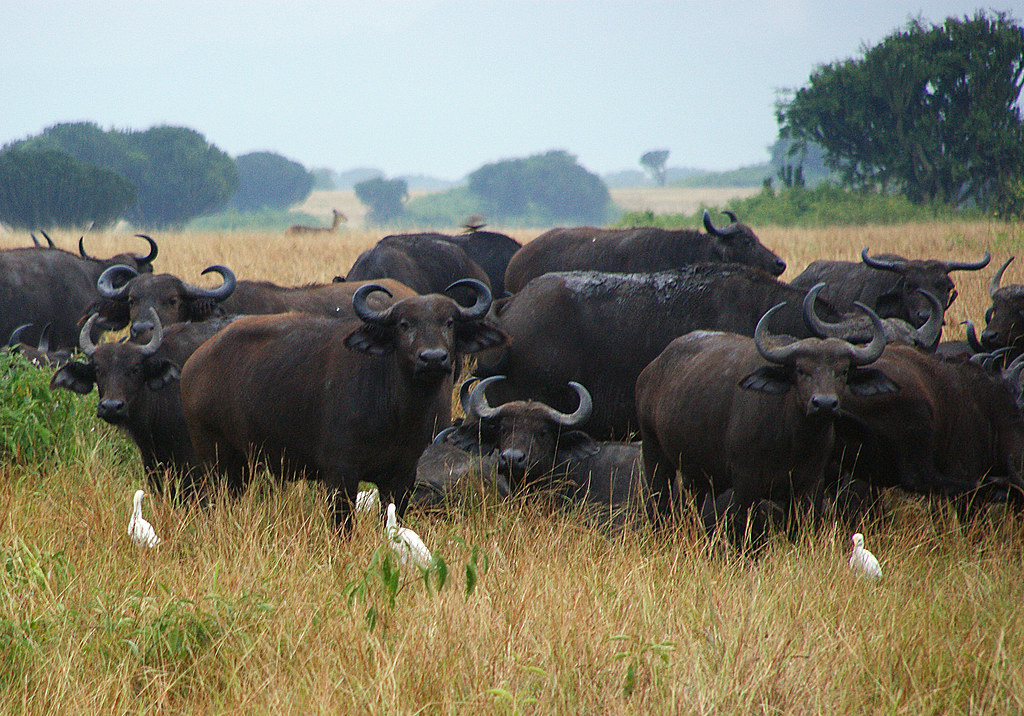
Photography Tips for Safari and Beach Tours in Tanzania
Capturing Two Worlds in One Journey
Tanzania offers a rare combination of dramatic wildlife safaris and idyllic beach escapes, making it a dream destination for photographers who want diversity in their portfolio. From the raw action of the Serengeti and Ngorongoro to the soft, tropical light of Zanzibar’s beaches, photographing Tanzania requires adaptability, patience, and an understanding of very different environments. Mastering both safari and beach photography ensures your images reflect the full story of this remarkable destination.
Understanding Light on Safari
Light is the most critical element in safari photography. Early mornings and late afternoons provide soft, golden light that enhances textures, colors, and shadows on animals. Midday light can be harsh, flattening details and creating strong contrasts, so it is best used sparingly or creatively for silhouettes and environmental shots. Positioning your vehicle with the sun behind you improves clarity, while side lighting can add depth and drama when photographing predators or large mammals.
Choosing the Right Camera Settings for Wildlife
Fast-moving wildlife demands responsive camera settings. A higher shutter speed helps freeze action during hunts, chases, or birds in flight, while a wider aperture isolates subjects from busy backgrounds. Adjusting ISO dynamically allows flexibility as light changes throughout the day. Continuous autofocus and burst shooting modes are especially useful when capturing unpredictable animal behavior, ensuring you do not miss critical moments.
Composition Tips for Iconic Safari Shots
Strong composition elevates safari images from simple records to storytelling photographs. Framing animals within their environment conveys scale and context, whether it is elephants crossing open plains or lions resting beneath acacia trees. Leaving space in front of moving animals creates a sense of direction and motion. Eye-level shots feel intimate and engaging, helping viewers connect emotionally with the subject rather than seeing it as a distant spectacle.
Photographing People and Culture on Safari
Safari photography is not limited to wildlife alone. Images of guides, trackers, and local communities add human depth to your journey. Capturing candid moments around campfires, during game drive briefings, or while interacting with local cultures helps tell a more complete story of Tanzania. Respect and consent are essential, and natural expressions often emerge when people are photographed in authentic, everyday moments rather than posed scenes.
Transitioning to Beach Photography in Tanzania
Beach photography requires a shift in mindset and technique. Along Tanzania’s coastline and islands, light is brighter, reflections are stronger, and colors are more vibrant. Shooting during early morning or late afternoon avoids overexposure and captures softer tones in the sky and water. Reflections on wet sand can be used creatively to add symmetry and visual interest to shoreline compositions.
Capturing Seascapes and Coastal Life
Seascape photography thrives on simplicity and balance. Clean horizons, minimal distractions, and thoughtful placement of elements such as boats, palm trees, or distant swimmers create calming images. Slow shutter speeds can smooth ocean waves for a serene effect, while faster speeds freeze splashes and movement for dynamic coastal scenes. Including people walking along the beach or fishermen at work introduces scale and narrative without overpowering the landscape.
Managing Gear in Safari and Beach Environments
Protecting camera equipment is essential when moving between safari parks and coastal areas. Dust on safari and sand at the beach can quickly damage lenses and sensors. Using protective covers, cleaning gear regularly, and changing lenses carefully helps maintain image quality. Carrying versatile lenses reduces the need for frequent changes, allowing you to focus more on photography and less on equipment management.
Telling a Complete Travel Story
The most powerful Tanzania photography portfolios tell a cohesive story. Combining wildlife action shots with peaceful beach scenes creates contrast and emotional flow. Transition images, such as flights over landscapes or sunsets marking the end of safari days, help connect different parts of the journey. Thoughtful sequencing of images allows viewers to experience the rhythm of Tanzania, from thrilling game drives to tranquil beach evenings.
Patience and Observation as Key Skills
Patience is the photographer’s greatest asset in Tanzania. Wildlife moments unfold on their own schedule, and beach scenes change with tides, light, and weather. Observing behavior, anticipating movement, and waiting for the right light often produce more compelling images than rapid shooting. Slowing down allows photographers to capture not just what Tanzania looks like, but how it feels.
Creating Lasting Memories Through Photography
Photography in Tanzania is about more than technical perfection. It is about preserving emotion, atmosphere, and connection to place. Whether capturing a lion’s gaze at dawn or the gentle colors of a sunset over the Indian Ocean, thoughtful photography transforms safari and beach tours into visual memories that endure long after the journey ends.