Shared Gorilla Safaris: Joining Group Departures Explained
Shared gorilla safaris are an affordable and highly rewarding way to experience one of the world’s most iconic wildlife encounters: trekking to see mountain gorillas (Gorilla beringei beringei) in their natural habitats. Unlike private tours, where the experience is reserved exclusively for one traveler or group, shared safaris bring together multiple travelers into organized departures. This structure allows costs for permits, guides, transportation, and accommodations to be shared while still providing professional guidance and guaranteed gorilla sightings.
Uganda and Rwanda are the leading destinations for shared gorilla safaris. In Uganda, trekking is primarily done in Bwindi Impenetrable National Park, famous for its dense rainforest and large gorilla populations, and Mgahinga Gorilla National Park, which offers volcanic terrain and smaller trekking groups. Rwanda’s Volcanoes National Park provides access to gorilla families habituated for observation and is internationally recognized for its structured trekking programs.
Shared safaris appeal to solo travelers, budget-conscious adventurers, first-time trekkers, and small groups. They combine adventure, education, and social engagement, creating a memorable and affordable way to see mountain gorillas in the wild.
How Shared Gorilla Safaris Operate
Group Organization and Regulations
Shared gorilla safaris are carefully organized to meet strict park regulations. Each gorilla family allows a maximum of eight visitors per day, ensuring encounters remain intimate while protecting the welfare of the animals. Licensed park rangers and experienced trackers lead trekking groups through dense forests, providing commentary on gorilla behavior, forest ecology, and conservation practices.
Although shared groups involve multiple travelers, encounters with gorilla families remain personal due to the limited number of participants per group. Guides manage the pace of trekking to accommodate all members while ensuring safety on steep, muddy, or narrow forest paths.
The social aspect of shared safaris allows participants to connect with fellow travelers, exchange experiences, and learn from each other. This creates a dynamic and engaging environment, particularly for solo adventurers or those new to gorilla trekking.
Cost Advantages
Affordability is the main appeal of shared gorilla safaris. In 2026, Uganda’s international gorilla trekking permits cost around $800 per person, while Rwanda’s permits are about $1,500. Additional expenses such as private transport, exclusive guides, and accommodation costs are shared among participants, reducing the overall cost per traveler.
This cost-sharing structure allows a broader audience to access the gorilla trekking experience, ensuring that solo travelers and small parties can enjoy professional guidance, structured itineraries, and guaranteed gorilla sightings without the premium cost of a private safari.
Booking and Planning
Booking a shared gorilla safari requires coordination with licensed tour operators or park offices. Early booking is recommended, especially during peak seasons (June–September and December–February), as permits are limited and in high demand.
Travelers provide preferred trekking dates, group size, and specific needs, such as dietary requirements or mobility considerations. Operators then coordinate permits, transportation, guides, and accommodations. Many shared safari packages also combine gorilla trekking with other activities, such as chimpanzee tracking in Kibale National Park, birdwatching in the Albertine Rift, or cultural visits to local communities, offering a comprehensive wildlife experience.
The Gorilla Trekking Experience
Gorilla Observation
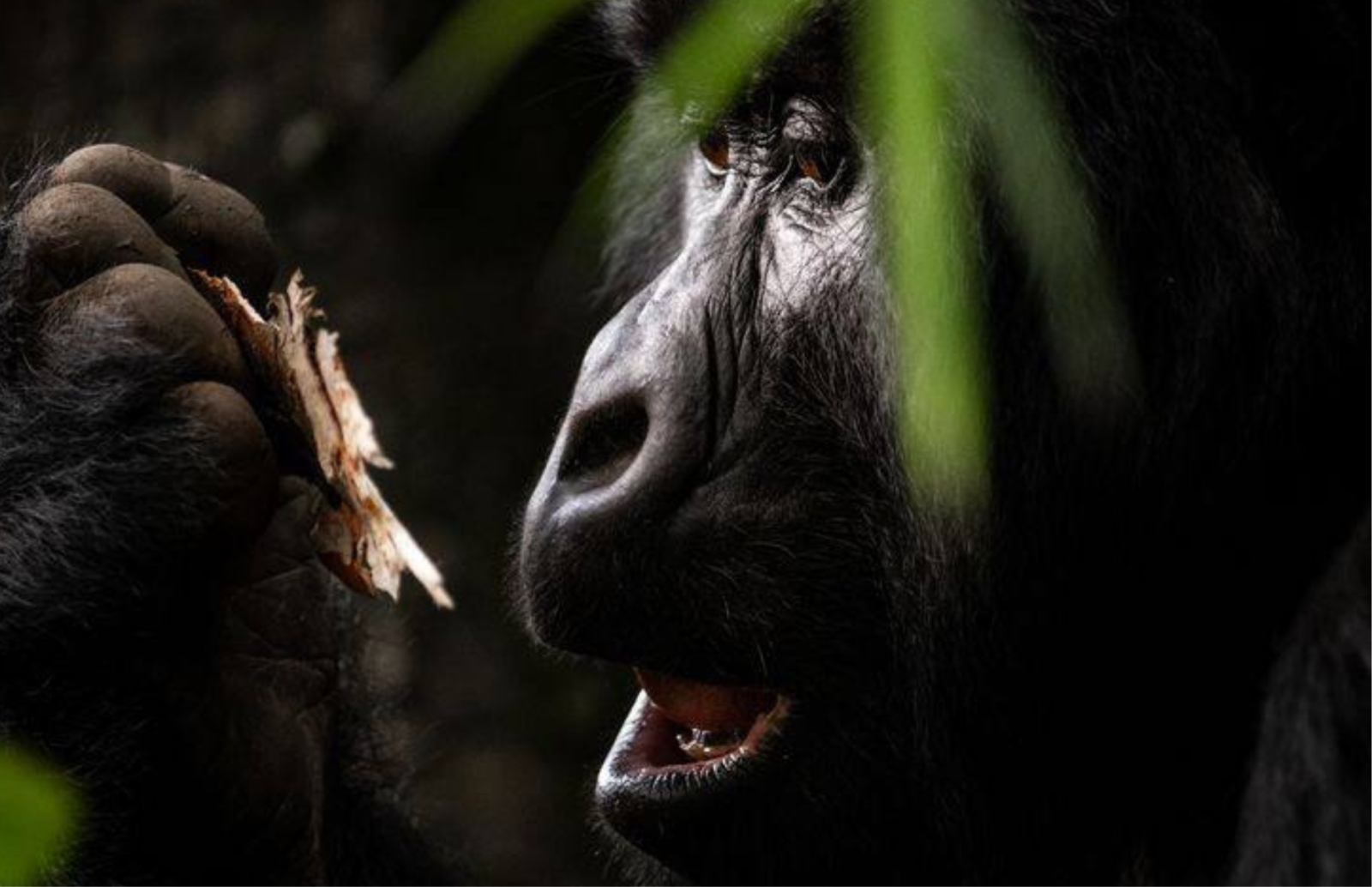
The highlight of a shared gorilla safari is the hour-long observation of a gorilla family. Trekkers witness gorillas feeding, grooming, playing, and nurturing infants—a rare and emotionally powerful experience. Even in shared groups, guides ensure that all participants maintain a safe distance of seven meters and follow proper etiquette to avoid disturbing the animals.
Photography is encouraged but must adhere to strict rules, such as avoiding flash and sudden movements. The small group size per gorilla family ensures that the encounter remains intimate and personal, providing participants with an authentic wildlife experience.
Trekking Trails and Terrain
Trekking trails vary in difficulty depending on the park sector. Buhoma in Bwindi offers moderately accessible trails, while Nkuringo and Rushaga sectors involve steeper and more physically demanding routes. Trek duration is influenced by the location of the gorilla family, terrain, and seasonal conditions, ranging from one to five hours.
Trail conditions are highly seasonal. The dry season (June–September, December–February) presents easier trekking paths, while the wet season (March–May, October–November) introduces muddy, slippery, and challenging terrain. Sturdy hiking boots, trekking poles, waterproof gear, and gloves are essential for comfort and safety during the trek.
Seasonal Considerations
Gorilla trekking is influenced by seasonal changes. During the wet season, gorillas may move deeper into the forest to find food, resulting in longer and more challenging treks. Wet conditions require proper preparation, including hiring porters to assist with heavy gear.
During the dry season, trails are clearer, and gorilla movements are more predictable, improving visibility and photography opportunities. Peak seasons increase competition for permits, making early booking essential, while shared tours offer an affordable way to secure a spot without the cost of private arrangements.
Essential Gear for Shared Gorilla Safaris
Proper gear is vital for a safe and comfortable shared gorilla safari experience. Essential items include:
- Sturdy hiking boots with ankle support
- Waterproof rain gear or ponchos
- Quick-dry clothing and long sleeves
- Extra socks
- Trekking poles
- Insect repellent and sunscreen
- Reusable water bottles and snacks
- Small backpack for personal items
Optional items for enhanced comfort and documentation include binoculars, cameras with telephoto lenses, lightweight gloves, gaiters, and notebooks. Hiring a porter is highly recommended for wet-season trekking or physically demanding sectors, allowing participants to focus on the experience and photography.
Advantages of Shared Gorilla Safaris
Shared gorilla safaris provide numerous benefits:
- Cost-effective compared to private safaris
- Guaranteed gorilla sightings with professional guides
- Expert commentary on gorilla behavior, forest ecology, and conservation
- Opportunity to meet and interact with fellow travelers
- Reduced environmental footprint per participant
- Ability to combine gorilla trekking with other wildlife or cultural activities
These advantages make shared gorilla safaris ideal for first-time visitors, solo travelers, and those seeking a balance between affordability and high-quality wildlife encounters.
Potential Limitations
While shared safaris are advantageous, there are a few limitations:
- Reduced flexibility in pacing compared to private tours
- Limited privacy during the observation hour
- Coordination with group members may slow movement along narrow trails
- Larger groups during peak seasons may require patience
Despite these minor drawbacks, shared gorilla safaris remain a highly effective way to experience gorillas at a lower cost while maintaining quality and safety.
Combining Shared Gorilla Safaris with Other Activities
Shared gorilla safaris can be integrated into multi-day wildlife and cultural itineraries. Popular additions include:
- Chimpanzee tracking in Kibale National Park
- Birdwatching in the Albertine Rift, home to many endemic species
- Cultural visits to communities surrounding Bwindi or Mgahinga, learning about local traditions and conservation efforts
- Safari drives in savannah parks such as Queen Elizabeth National Park
Multi-day shared packages allow travelers to experience diverse ecosystems, wildlife, and cultural interactions while keeping costs lower than private multi-day tours.
Safety, Health, and Conservation
Participants must follow strict safety protocols:
- Maintain a minimum of seven meters distance from gorillas
- Avoid loud noises, sudden movements, and feeding wildlife
- Follow all ranger instructions
- Postpone trekking if feeling unwell to prevent disease transmission
Health preparation should include vaccinations (yellow fever), travel insurance, and proper gear. Shared gorilla safaris also directly support conservation, as revenue funds park management, anti-poaching initiatives, habitat preservation, and community development projects, ensuring a sustainable impact.
Sample Shared Gorilla Safari Itinerary
Day 1: Arrival in Kampala/Entebbe
Travelers arrive in Uganda, are transferred to their lodge, and attend a briefing on gorilla trekking regulations, park rules, and safety guidelines.
Day 2: Transfer to Bwindi/Mgahinga
Shared group departs early for the park, enjoying scenic views of the Ugandan highlands. Participants settle into lodges and meet guides.
Day 3: Gorilla Trekking
Early breakfast followed by briefing. Trekking begins with the shared group, led by rangers. Duration varies depending on gorilla family location. Observation of gorilla behaviors for one hour. Return to lodge for debrief and rest.
Day 4: Optional Activities
Participants may choose chimpanzee tracking, birdwatching, or cultural tours. Shared transport allows flexibility while maintaining group cost-effectiveness.
Day 5: Return to Kampala/Entebbe
Departure from the park and return to Kampala or Entebbe for onward travel.
This sample itinerary can be customized for longer multi-day trips, combining different parks and activities.
Final Thoughts
Shared gorilla safaris provide an ideal balance of affordability, accessibility, and authentic wildlife experiences. They allow travelers to see mountain gorillas under expert guidance, interact with fellow adventurers, and support conservation initiatives.
While private tours offer flexibility and exclusivity, shared tours deliver nearly identical wildlife observation opportunities, educational value, and conservation impact at a lower cost. For solo travelers, small groups, and budget-conscious adventurers, joining a shared gorilla safari in Uganda or Rwanda offers a safe, memorable, and ethically responsible way to experience one of the world’s most remarkable wildlife encounters.