Tanzania Safari Experience – A Journey Through Africa’s Wild Heart
Few places on Earth capture the magic of Africa quite like Tanzania. It is a land where nature still reigns supreme — vast plains echo with the thunder of migrating wildebeests, lions prowl under crimson sunsets, and ancient tribes live in harmony with the wilderness. A Tanzania safari experience is not just a holiday; it’s an awakening — a deep, immersive encounter with the rhythm of life on the African savannah.
From the endless plains of the Serengeti to the majestic Ngorongoro Crater, the pink-hued shores of Lake Manyara, and the wild elephants of Tarangire, Tanzania offers some of the richest and most varied safari experiences on the continent.
The Essence of a Tanzania Safari
Tanzania is home to some of Africa’s greatest national parks and wildlife spectacles. Its sheer size and ecological diversity create endless opportunities for adventure. Whether you’re following the Great Migration, tracking lions across golden grasslands, or relaxing on Zanzibar’s tropical beaches after a week in the bush, Tanzania blends wild beauty with world-class comfort and warmth.
Here’s what makes a safari in Tanzania truly unforgettable.
1. Serengeti National Park – The Land of Endless Plains
No Tanzania safari is complete without a journey into the legendary Serengeti National Park, a UNESCO World Heritage Site and one of the oldest ecosystems on Earth.
The Serengeti is home to the Great Wildebeest Migration, where millions of animals move in an endless circle between Tanzania and Kenya — a spectacle unmatched anywhere in the world. From December to March, the southern Serengeti and Ndutu Plains come alive with calving season, while July to October brings dramatic Mara River crossings in the north.
But the Serengeti’s magic isn’t just about migration — it’s the feeling of endless horizons, the call of lions at dawn, and the beauty of untouched wilderness.
Highlights:
-
Witness the Great Migration (anytime between Dec–Oct)
-
Spot the Big Five: lion, leopard, elephant, buffalo, and rhino
-
Hot air balloon safaris at sunrise
-
Stay in luxury lodges or mobile camps that follow the herds
2. Ngorongoro Crater – Africa’s Garden of Eden
Descending into the Ngorongoro Crater is like stepping into another world. Formed millions of years ago by a massive volcanic eruption, the crater is now a self-contained wildlife paradise — a natural amphitheater teeming with animals.
Here, you can spot black rhinos, large lion prides, elephants, buffaloes, and hippos all within a single game drive. The scenery — emerald-green plains framed by crater walls and dotted with shimmering lakes — is breathtaking in every direction.
Highlights:
-
One of the best places in Africa to see black rhinos
-
High density of wildlife in a compact area
-
Cultural visits to Maasai villages around the crater rim
3. Tarangire National Park – The Land of Giants
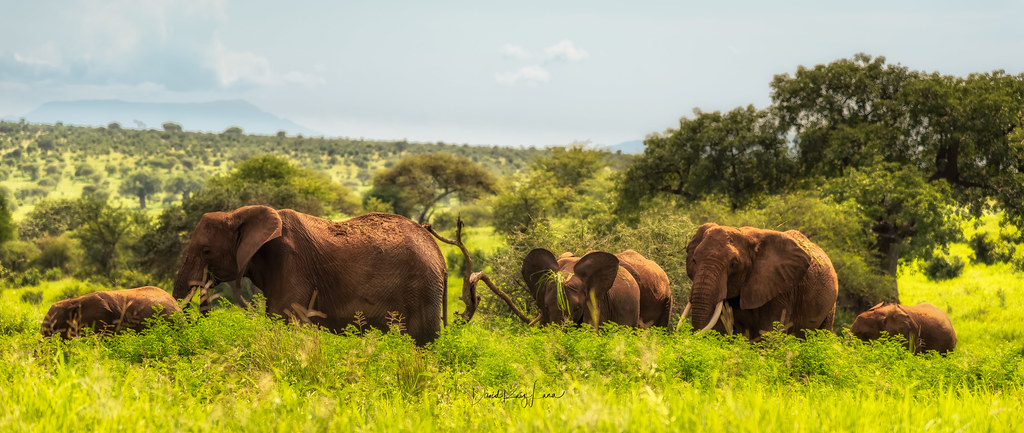
Known for its massive elephant herds and ancient baobab trees, Tarangire National Park offers a more intimate, less crowded safari experience. During the dry season (June to October), thousands of animals gather along the Tarangire River — a lifeline in the arid landscape.
Expect to see elephants bathing in the river, lions resting under acacias, and large flocks of colorful birds overhead.
Highlights:
-
Excellent elephant and bird watching
-
Walking safaris and night drives in nearby concessions
-
Beautiful baobab-studded scenery
4. Lake Manyara National Park – Where the Forest Meets the Rift
Nestled at the foot of the Great Rift Valley, Lake Manyara is a small but vibrant park known for its tree-climbing lions, flamingos, and lush groundwater forests. It’s often used as a stopover en route to Ngorongoro but offers diverse habitats — from lakeshores to woodlands teeming with monkeys and birdlife.
Highlights:
-
Tree-climbing lions
-
Birdwatching paradise (especially flamingos and pelicans)
-
Scenic drives beneath the Rift Valley escarpment
5. The Northern Safari Circuit – Tanzania’s Iconic Route
The northern circuit is Tanzania’s classic safari trail, linking the Serengeti, Ngorongoro, Tarangire, and Lake Manyara. It’s ideal for first-time visitors seeking the ultimate wildlife experience with smooth logistics and superb lodges.
Travelers can choose between private road safaris from Arusha or fly-in safaris that connect remote airstrips for convenience and comfort.
Best Time to Visit: June to October (dry season) or December to March (green season and calving).
6. Southern Tanzania – Remote and Untamed
For those craving exclusivity and wilderness, southern Tanzania offers untouched beauty. Parks like Ruaha National Park and Nyerere National Park (formerly Selous Game Reserve) boast vast landscapes, far fewer visitors, and thrilling activities such as walking safaris and boat cruises.
-
Ruaha: Tanzania’s largest national park, famous for lions and rugged scenery.
-
Nyerere: A haven for boat safaris along the Rufiji River and abundant wildlife.
Highlights:
-
Off-the-beaten-path safaris with fewer tourists
-
Excellent for photographers and seasoned travelers
-
Fly-in safaris from Dar es Salaam or Zanzibar
7. Zanzibar & the Indian Ocean Coast – The Perfect Ending
After days of game drives, the ideal way to end your Tanzania safari is with relaxation on the white-sand beaches of Zanzibar or the mainland coast.
Zanzibar’s Stone Town, a UNESCO World Heritage Site, offers history, spice tours, and vibrant culture, while its beaches are perfect for snorkeling, diving, and romantic sunsets.
Highlights:
-
Spice tours and Swahili culture
-
Water activities and dhow cruises
-
Luxurious beachfront resorts and boutique lodges
8. Cultural Encounters and Local Life
A Tanzania safari isn’t only about wildlife — it’s about people too. Engage with the Maasai, Hadzabe, or Datoga tribes to learn about traditional lifestyles, crafts, and music. Cultural visits near the Ngorongoro or Lake Eyasi regions offer deep insights into Tanzania’s heritage.
Highlights:
-
Visit Maasai villages near Ngorongoro or Longido
-
Experience bush walks with Hadzabe hunter-gatherers
-
Learn beadwork and traditional dances
Best Time to Visit Tanzania
Tanzania is a year-round safari destination, but the best time depends on what you want to see.
-
June–October: Dry season; best for general game viewing and the Great Migration in northern Serengeti.
-
November–March: Green season; best for calving in southern Serengeti and fewer crowds.
-
April–May: Rainy season; lush scenery and lower prices, ideal for photographers.
Safari Accommodation – From Luxury to Adventure
Tanzania caters to every traveler, from luxury lodges to classic tented camps and adventurous mobile safaris.
-
Luxury Lodges: Four Seasons Serengeti, Singita Grumeti, Ngorongoro Crater Lodge, Chem Chem Lodge.
-
Mid-Range Options: Serena Lodges, Lemala Camps, Tarangire Sopa Lodge.
-
Budget & Adventure: Kati Kati Tented Camp, public campsites, and mobile bush camps.
No matter where you stay, you’ll fall asleep to the sounds of lions roaring and wake to golden African light spilling across the savannah.
Why a Tanzania Safari Experience Is Truly Special
Tanzania’s safaris are not just about wildlife — they’re about feeling the pulse of Africa itself. It’s in the golden sunsets over the Serengeti, the Maasai warrior’s song echoing in the hills, and the ancient rhythms of nature that still guide life here.
Whether you’re watching elephants under baobab trees in Tarangire, marveling at the Great Migration, or standing on the rim of Ngorongoro Crater, you’ll feel a deep connection to something timeless and pure.
A Tanzania safari experience is, quite simply, Africa at its most majestic — wild, warm, and unforgettable.