
Ultimate Big Five Safari: Experience Africa’s Iconic Wildlife
The Big Five: Africa’s Crown Jewels
The term “Big Five” has become synonymous with African wildlife adventure. Comprising the lion, leopard, elephant, rhinoceros, and Cape buffalo, these animals were initially labeled by hunters as the most challenging and dangerous to pursue on foot. Today, the Big Five represents the ultimate goal for safari enthusiasts and photographers seeking close encounters with Africa’s most magnificent creatures. Observing these animals in their natural habitat offers not just excitement, but a profound connection to the continent’s untamed beauty and its diverse ecosystems.
Why a Big Five Safari is a Must-Do Experience
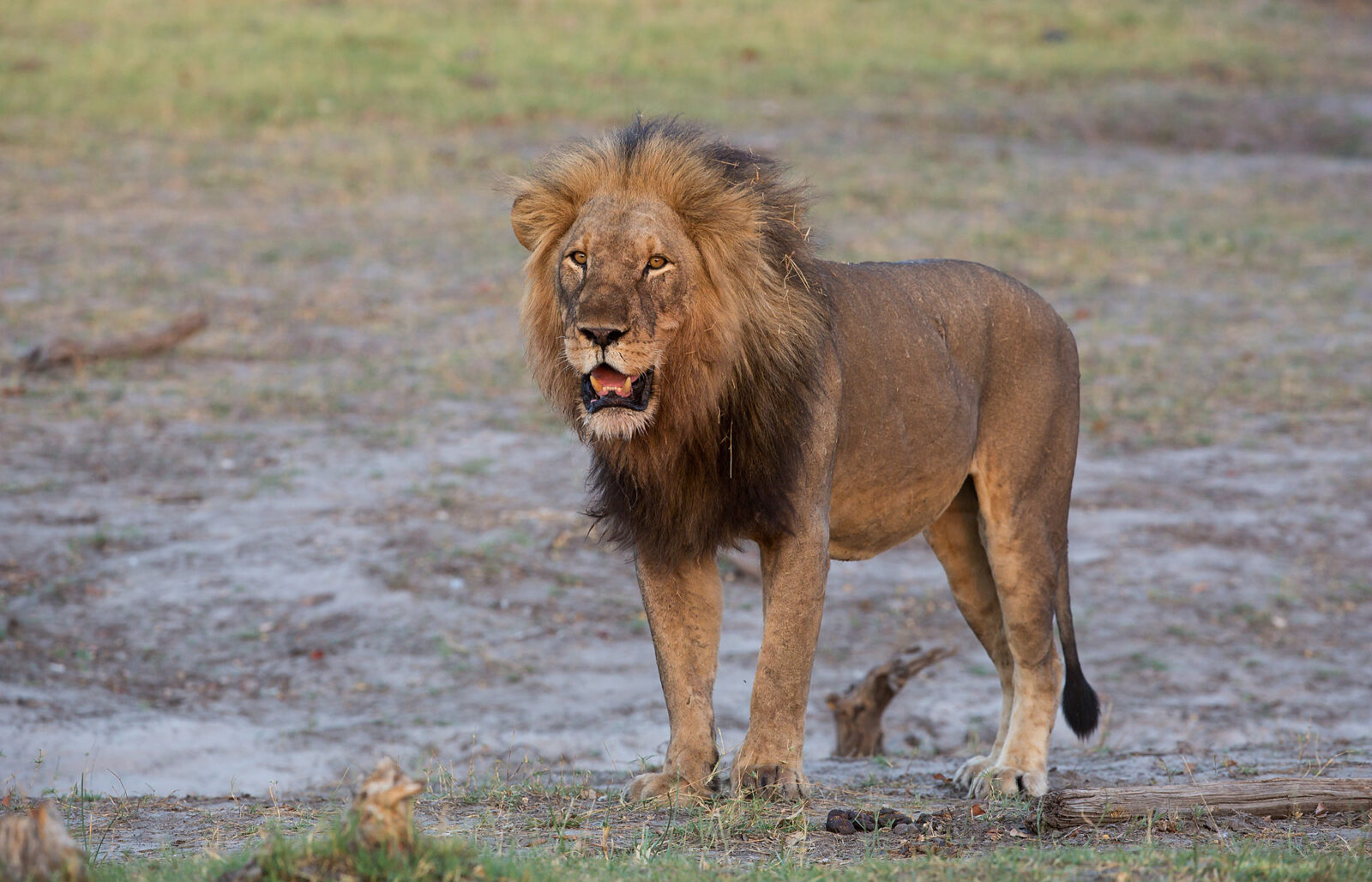
Few experiences in the world rival the thrill of spotting the Big Five. Each animal presents its own story: lions symbolize power and social structure as they roam in prides; leopards embody stealth and elegance, often seen lounging high in acacia trees; elephants display intelligence and family bonds, moving gracefully in herds; rhinos, rare and endangered, remind visitors of conservation efforts; while buffalo demonstrate strength and unpredictability, challenging even the most seasoned safari-goers. Witnessing these animals in their natural environment is an immersive adventure that goes beyond sightseeing—it is a journey into the heart of Africa’s wild landscapes.
Top Destinations for Big Five Safaris
Africa offers numerous destinations where travelers can experience the Big Five, each with its own unique charm. South Africa’s Kruger National Park is one of the most accessible and popular safari destinations. Its extensive road network, well-maintained camps, and expert guides provide high chances of seeing all five species. The park’s diverse habitats, from savannah plains to dense bushveld, allow for excellent photographic opportunities and immersive wildlife experiences.
In East Africa, Kenya’s Maasai Mara and Tanzania’s Serengeti stand out as legendary safari locations. The Mara, famous for the great wildebeest migration, is also home to thriving populations of the Big Five, offering dramatic predator-prey interactions. The Serengeti’s expansive plains create breathtaking vistas where lions and elephants roam freely, and leopards can be spotted resting in the shade of trees. Both parks offer luxury lodges, tented camps, and guided drives that make wildlife encounters both safe and unforgettable.
Botswana’s Chobe National Park provides a different safari experience, with riverside game viewing as elephants and buffalo gather along the Chobe River. Namibia’s Etosha National Park and Zimbabwe’s Hwange National Park offer more remote, off-the-beaten-path encounters with the Big Five, often in smaller crowds and pristine landscapes. Each destination offers its own perspective on Africa’s wildlife, making it important to choose based on preferred experience, accessibility, and season.
Choosing the Right Safari Style
Big Five safaris can be tailored to suit a range of traveler preferences. Luxury lodges provide comfort, exceptional cuisine, and guided drives led by knowledgeable rangers, allowing travelers to focus on wildlife observation and photography. Mobile safari camps, meanwhile, immerse visitors in the wilderness, often moving seasonally to follow the animals’ patterns. Walking safaris offer intimate encounters with smaller wildlife and plant life, while night drives provide the chance to see elusive nocturnal animals such as leopards and hyenas.
Game drives are typically conducted in open 4×4 vehicles, allowing unobstructed views and photography opportunities. Morning drives are particularly productive, as predators are active in cooler temperatures, while afternoon drives reveal different behaviors such as elephant herds bathing in waterholes. Combining both ensures a well-rounded safari experience, maximizing the chances of observing all five species.
When to Go on a Big Five Safari
Timing is crucial for the best wildlife sightings. The dry season, typically from May to October in most African safari regions, is ideal because animals gather near water sources, making them easier to locate. The wet season, while greener and more scenic, can reduce the visibility of wildlife due to dense foliage, though it offers abundant birdlife and dramatic landscapes. Additionally, certain months coincide with key behaviors such as calving seasons for herbivores or mating seasons for predators, which can enhance the safari experience.
Seasonal migration patterns, particularly in East Africa, also influence sightings. For instance, visiting the Maasai Mara during the great migration (July to October) increases the likelihood of witnessing intense predator-prey interactions alongside the Big Five. Understanding the timing and habits of these animals ensures a more successful and memorable safari.
Safari Tips for a Memorable Adventure
A successful Big Five safari requires careful preparation. Neutral-colored clothing helps blend into the environment, while binoculars and a camera with zoom capabilities are essential for capturing wildlife safely. Patience is key—tracking a leopard resting in a tree or a pride of lions on a hunt may take time, but the reward is unparalleled. Listening to guides, following park rules, and respecting wildlife boundaries ensures both safety and ethical wildlife viewing.
Hydration, sun protection, and comfortable walking shoes are also important, especially in hotter climates or during long game drives. Travelers should be prepared for early mornings, cool mornings with hot coffee, and stunning African sunsets, all of which are part of the safari’s immersive experience.
Conservation and Responsible Tourism
Big Five safaris also offer insight into conservation efforts. Many parks and lodges actively participate in anti-poaching initiatives and habitat preservation, supporting endangered species such as rhinos and leopards. By choosing responsible safari operators, travelers contribute to the protection of Africa’s wildlife and support local communities, ensuring that these iconic animals remain part of the continent’s natural heritage for generations to come.
The Lasting Magic of the Big Five
Ultimately, a Big Five safari is more than just wildlife observation—it is a transformative experience. It combines adventure, education, and a profound appreciation for nature’s complexity. Seeing the Big Five in their natural habitat leaves a lasting impression, deepening understanding of ecosystems, predator-prey relationships, and the delicate balance that sustains Africa’s wildlife. Whether you are a seasoned safari-goer or a first-time visitor, encountering the Big Five is a journey that stays with you long after the trip ends.A Big Five safari is the ultimate gateway to Africa’s wild heart. From the roaring lions of the savannah to the elusive leopards in trees, the intelligent elephants, rare rhinos, and powerful buffalo, every moment is an encounter with majesty. Choosing the right destination, season, and safari style, while preparing carefully and traveling responsibly, ensures an unforgettable adventure. For those seeking the thrill of Africa’s most iconic wildlife, the Big Five safari remains the pinnacle of travel experiences—an opportunity to witness nature’s grandeur in its most authentic form.