
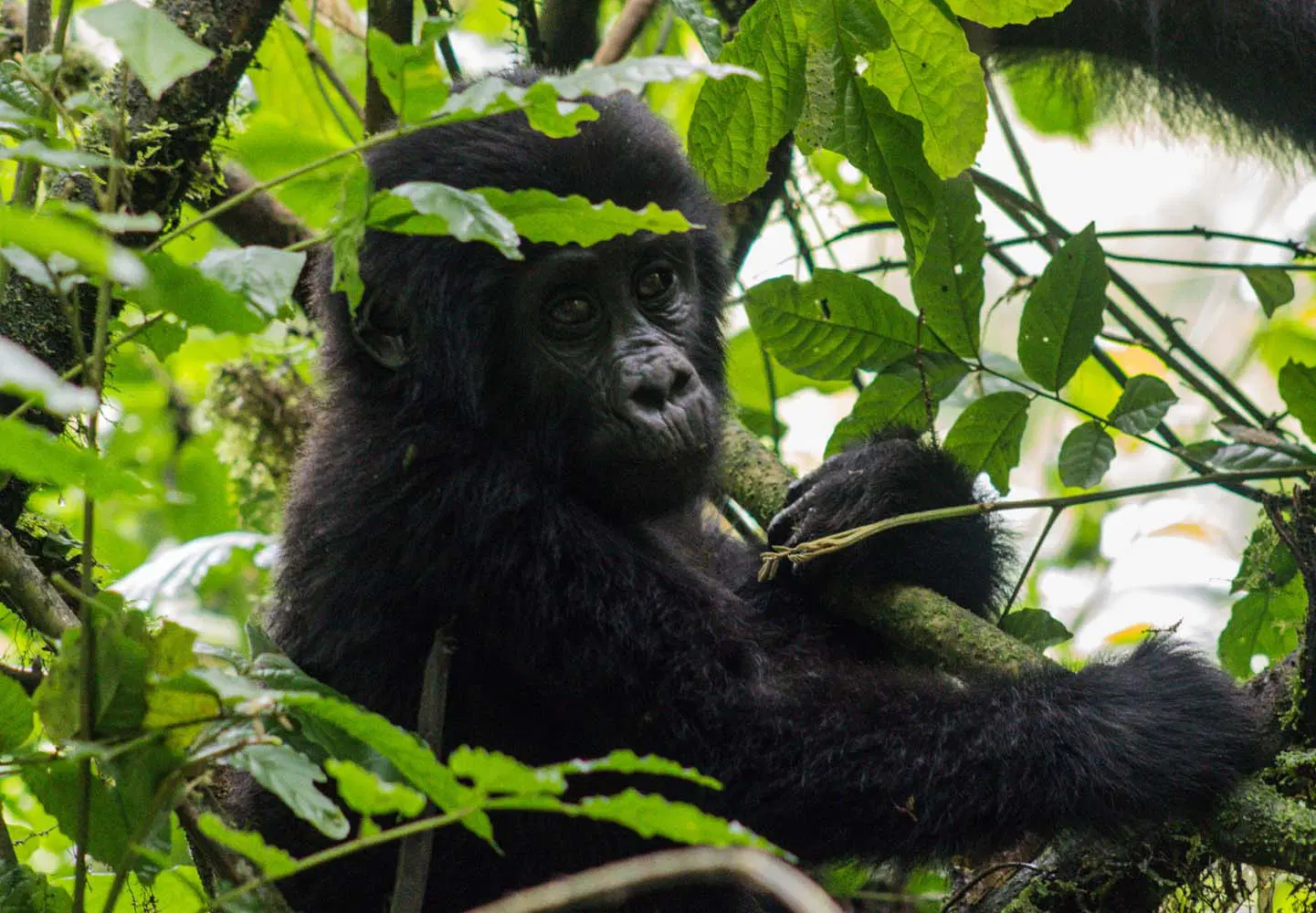
Ultimate Gorilla Facts and Trekking Guide: Intelligence, Behavior, and Conservation
Gorillas are one of the most remarkable creatures on Earth. Known for their immense strength, gentle demeanor, and striking resemblance to humans, these primates capture the imagination of scientists, conservationists, and travelers alike. Found primarily in central and east Africa, gorillas are divided into two species—mountain gorillas and lowland gorillas—with several subspecies. Each population has unique behaviors, habitats, and social structures, making them fascinating subjects for wildlife enthusiasts.
Gorilla trekking has become a premier wildlife adventure. Visiting gorillas in their natural habitats allows travelers to observe their intelligence, social behaviors, and daily routines. Beyond adventure, gorilla trekking also supports critical conservation initiatives, empowering local communities and protecting fragile ecosystems.
Gorilla Intelligence and Emotional Depth
Gorillas share up to 99% of their DNA with humans, making them one of our closest living relatives. Their cognitive abilities are highly developed, and they exhibit problem-solving skills, tool use, and complex social interactions. Researchers have observed gorillas using sticks to test water depth, leaves as gloves, and even manipulating objects to access food, demonstrating ingenuity and adaptability.
Emotional intelligence is another hallmark of gorillas. They display empathy, grief, affection, and joy. Mothers comfort distressed infants, silverbacks mediate conflicts within the troop, and groups sometimes mourn the death of a member. Such behaviors highlight the intricate emotional lives of gorillas and their capacity for social connection.
Social Structure and Family Dynamics
Gorillas live in tight-knit social groups called troops or bands. These groups typically consist of one dominant silverback, multiple females, and their offspring. The silverback leads, protects, and guides the group, making critical decisions regarding movement, feeding, and interactions with other gorillas or humans.
Troop members maintain strong social bonds. Grooming, playing, and cooperative care of young ones strengthen relationships and ensure group stability. Juveniles learn essential survival skills by observing adults, including foraging, nest-building, and communication. These social structures contribute to both survival and emotional well-being.
Communication: Vocal, Visual, and Behavioral Signals
Gorillas have an extensive system of communication. They use over 25 vocalizations along with body postures, facial expressions, and gestures. Vocalizations include grunts, roars, chest beats, and soft coos, each conveying different messages such as alerting danger, asserting dominance, or maintaining group cohesion.
Nonverbal communication is equally sophisticated. Chest-beating by silverbacks signals strength and territoriality, while playful gestures and gentle touches convey affection or reassurance. Observing these behaviors provides a window into their cognitive and emotional complexity.
Physical Abilities and Dietary Adaptations
Gorillas are incredibly strong and agile. Adult males can weigh up to 200 kilograms (440 pounds), while females typically weigh between 70–100 kilograms. Their muscular build enables them to navigate dense forests, climb trees, and access tough vegetation.
They are primarily herbivorous. Leaves, stems, fruits, bark, and occasionally small insects make up their diet. Their large digestive systems allow them to process fibrous plant materials efficiently, extracting maximum nutrients from their environment. This diet supports both physical growth and energy for their active lifestyles.
Cultural Behaviors and Nest Building
Gorillas exhibit cultural behaviors that vary between troops. Different groups develop unique feeding techniques, vocal patterns, or nest-building methods. These behaviors are socially learned and transmitted across generations rather than inherited genetically.
Nest building is a daily ritual. Each night, gorillas construct new nests from leaves and branches, creating soft, protective sleeping areas. Infants learn by watching their mothers and other adults, showcasing the social learning that is critical to their development.
Reproduction and Lifespan
Gorillas have slow reproductive rates. Females typically give birth once every four years, and infants remain dependent for several years. This slow reproduction underscores the vulnerability of gorilla populations to threats like habitat destruction and poaching.
They have long lifespans. In the wild, gorillas live 35–50 years, providing time for social learning, strong family bonds, and cultural behaviors to flourish. Longevity also makes conservation efforts more impactful, as adults maintain social stability within troops over decades.
Gorilla Habitats and Trekking Locations
Mountain gorillas are found in Rwanda, Uganda, and the Democratic Republic of Congo. Volcanoes National Park in Rwanda, Bwindi Impenetrable Forest and Mgahinga National Park in Uganda, and Virunga National Park in DRC are key trekking sites.
Lowland gorillas inhabit dense tropical forests. Western lowland gorillas are found in the Congo Basin, including Nouabalé-Ndoki National Park in Congo and Dzanga-Sangha National Park in the Central African Republic. Mahale Mountains National Park in Tanzania hosts chimpanzees but also shares habitat with lowland gorillas in adjacent areas.
Gorilla trekking requires preparation and permits. Trekking is usually limited to one hour with a gorilla group to minimize stress. Guides ensure safety, regulate distance, and provide education about gorilla behavior, allowing visitors to observe ethically and responsibly.
Conservation and Ecological Importance
Gorillas are critical to forest ecosystems. They disperse seeds, maintain vegetation balance, and contribute to biodiversity. Protecting gorillas indirectly safeguards countless other species, from birds to insects, within the same habitats.
Conservation programs have shown remarkable successes. Mountain gorilla populations have increased due to anti-poaching efforts, habitat protection, and community-based initiatives. Responsible tourism supports local economies while fostering continued protection of these endangered primates.
Visitors play an essential role in conservation. Following park rules, maintaining safe distances, reporting rule-breakers, and respecting the environment all help ensure gorilla habitats remain protected for future generations.
Gorilla Observation: What to Expect on Trekking
Observing gorillas is an intimate experience. Each family has a silverback leader, multiple females, and playful infants. Visitors can see feeding, grooming, nesting, and playful interactions, often revealing personalities and social hierarchies.
Photographing gorillas ethically requires care. Maintaining distance, avoiding flash photography, and following guide instructions ensure the animals are not stressed. Early morning light often provides the best photography conditions, especially in forested habitats.
Tracking gorillas involves physical activity. Trails can be steep, muddy, or dense, so trekking requires stamina, appropriate clothing, and walking sticks. The effort is rewarded with unforgettable encounters with these gentle giants.
Fascinating Facts About Gorillas
1. Strength and Dexterity: Adult males can lift and manipulate heavy objects far beyond human capacity.
2. Emotional Complexity: Gorillas display empathy, grief, joy, and compassion.
3. Tool Use: They use sticks, leaves, and other objects creatively for problem-solving.
4. Cultural Transmission: Skills such as foraging techniques and nest building are socially learned.
5. Conservation Ambassadors: Protecting gorillas preserves forests, biodiversity, and carbon storage.
6. Lifespan and Growth: Gorillas live 35–50 years, with slow reproductive cycles emphasizing the need for conservation.
7. Intelligence: They exhibit planning, problem-solving, and sophisticated communication with gestures, vocalizations, and facial expressions.
Planning a Gorilla Trek
Best months for trekking: Dry seasons, June–September and December–February, provide accessible trails and optimal viewing conditions.
Essential preparations: Sturdy hiking boots, gloves, rain jackets, walking sticks, binoculars, water, snacks, and lightweight backpacks.
Safety and rules: Maintain at least seven meters distance, follow guides, avoid flash photography, and report any rule-breaking to ensure ethical tourism.
Combining with other wildlife: Many travelers pair gorilla trekking with savannah safaris in Uganda or Rwanda, offering the chance to see elephants, lions, hippos, and countless bird species.
Conclusion
Gorillas are among the most intelligent, emotional, and socially complex animals on Earth. Their strength, gentle behavior, and intricate social structures make them extraordinary creatures worthy of respect and protection. Trekking gorillas provides not only an unforgettable adventure but also an opportunity to contribute to global conservation efforts, preserve ecosystems, and support local communities.