
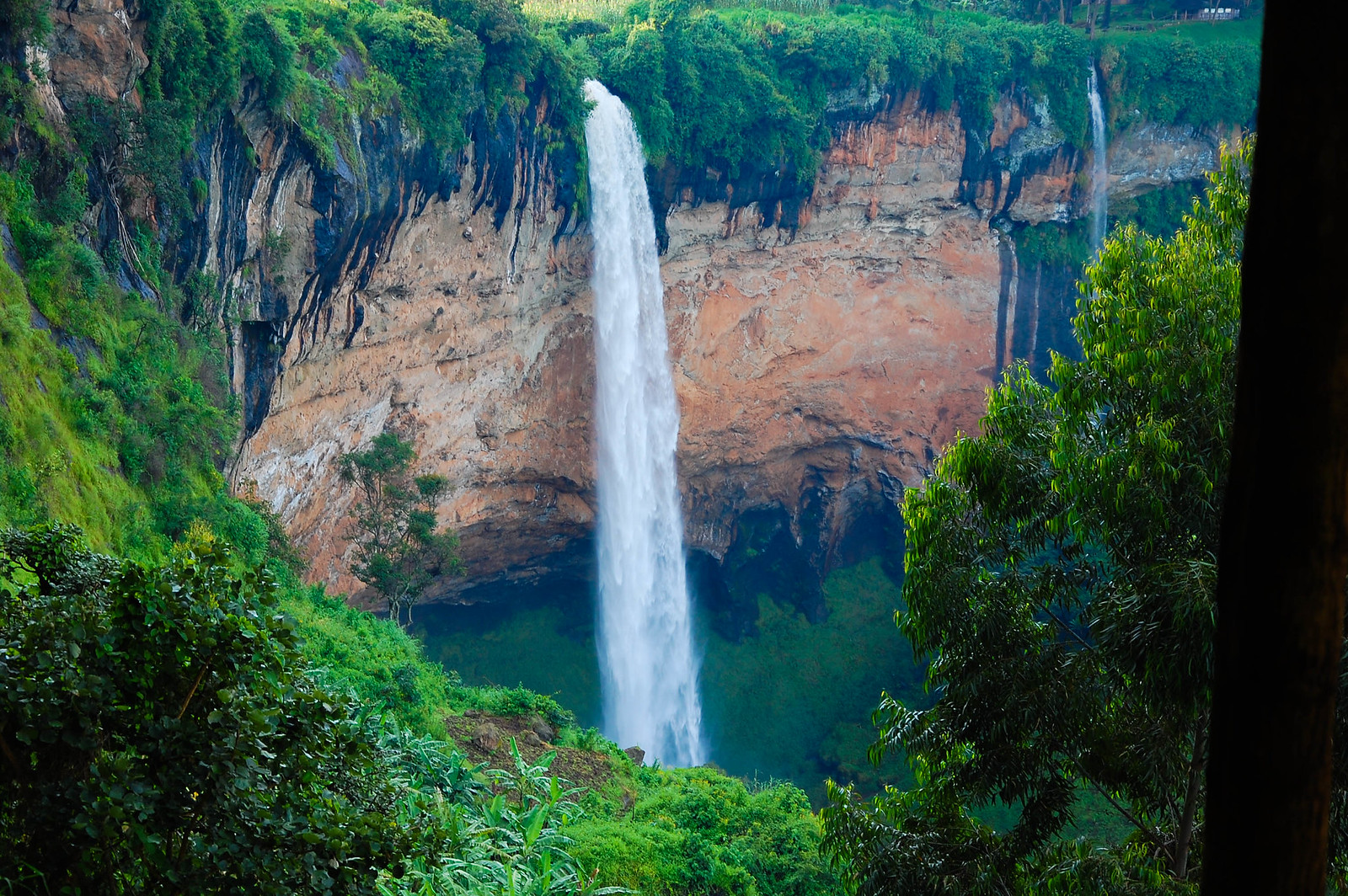
Victoria Falls – Africa’s Majestic Natural Wonder and Adventure Paradise
Overview of Victoria Falls
Victoria Falls stands among the most extraordinary natural spectacles on Earth, representing one of Africa’s greatest geographical treasures and a globally celebrated tourism destination. Located along the border between Zimbabwe and Zambia, the falls are formed by the mighty Zambezi River plunging dramatically into a deep basalt gorge, creating an immense curtain of cascading water that can stretch more than 1.7 kilometers wide. Known locally as “The Smoke That Thunders,” the falls generate towering plumes of mist visible from kilometers away, offering visitors an unforgettable sensory experience that combines thunderous sound, shimmering rainbows, and breathtaking landscapes.
The destination is not only famous for its geological grandeur but also for its surrounding ecosystems, wildlife habitats, adventure tourism opportunities, and cultural significance. Visitors encounter a unique fusion of natural beauty and adrenaline-filled experiences, ranging from scenic viewpoints and rainforest walks to white-water rafting, helicopter flights, and wildlife safaris. Victoria Falls therefore represents both a natural wonder and a complete African travel experience, attracting explorers, photographers, honeymooners, and adventure seekers from around the world.
A Detailed Guide to Victoria Falls: Geography, Experiences, Wildlife, and Travel Planning
Geological Formation and Natural Characteristics of Victoria Falls
The formation of Victoria Falls reflects millions of years of geological evolution shaped by volcanic activity and river erosion. The Zambezi River flows across a flat plateau before suddenly dropping into a series of narrow gorges carved into basalt rock formations. These fractures created a dramatic chasm that now forms the falls, with water plunging approximately 108 meters into the gorge below. Seasonal variations significantly influence the falls’ appearance, with peak water flow occurring between February and May after regional rainy seasons, producing immense spray clouds that can rise over 400 meters into the sky.
The physical scale and power of the waterfall create a microclimate that supports a rare rainforest ecosystem adjacent to the gorge. Constant mist nourishes dense vegetation, including ferns, palms, and moss-covered trees that thrive despite the surrounding savannah climate. This unique ecological zone offers visitors scenic walking trails with multiple viewpoints that reveal different perspectives of the falls, from panoramic vistas to close-up encounters with cascading water walls. The geological complexity of the region continues downstream through zigzagging gorges that provide some of the world’s most challenging white-water rafting conditions.
Historical Discovery and Cultural Significance
The global recognition of Victoria Falls began with its documentation by Scottish explorer David Livingstone in 1855, although indigenous communities had known and revered the falls for centuries. Livingstone named the waterfall after Queen Victoria, but local names such as Mosi-oa-Tunya, meaning “The Smoke That Thunders,” remain widely used today and reflect the cultural importance of the site to regional tribes. The falls have long been associated with spiritual beliefs, traditional ceremonies, and folklore tied to river spirits and ancestral connections.
Modern cultural significance continues through tourism, conservation, and cross-border cooperation between Zimbabwe and Zambia. The surrounding protected areas, including Victoria Falls National Park and Mosi-oa-Tunya National Park, preserve both wildlife habitats and historical heritage sites. Local communities benefit economically through tourism employment, craft markets, and cultural performances, ensuring that the falls remain not only a natural attraction but also a socio-economic lifeline for the region.
Wildlife and Ecosystems Around Victoria Falls
The landscapes surrounding Victoria Falls host diverse ecosystems that support a wide range of African wildlife species. The Zambezi River attracts animals such as elephants, buffalo, hippos, crocodiles, and numerous antelope species that rely on the water source throughout the year. Birdlife is particularly abundant, with species including fish eagles, kingfishers, hornbills, and herons frequently observed along riverbanks and within the rainforest zone created by the falls’ mist.
Nearby national parks extend the wildlife experience beyond the waterfall itself, offering classic African safari opportunities. Visitors often combine their trip with game drives in Hwange National Park in Zimbabwe or Chobe National Park in neighboring Botswana, both of which are renowned for large elephant populations and predator sightings. This proximity makes Victoria Falls an ideal gateway destination for travelers seeking both scenic natural wonders and wildlife encounters within a single itinerary.
Adventure Activities and Unique Experiences
Victoria Falls is widely considered Africa’s adventure capital due to the exceptional range of adrenaline experiences available. White-water rafting on the Zambezi River below the falls is internationally recognized for its challenging rapids, while bungee jumping from the Victoria Falls Bridge provides thrill-seekers with dramatic views of the gorge. Helicopter and microlight flights offer aerial perspectives that reveal the full scale and geometry of the waterfall, creating unforgettable photographic opportunities.
Beyond high-adrenaline activities, the destination also offers relaxed scenic experiences suited for all travelers. Sunset cruises along the upper Zambezi River provide tranquil wildlife viewing, often accompanied by sightings of hippos and crocodiles, while guided walking tours explore rainforest trails and geological formations. Cultural village visits introduce travelers to local traditions, music, and crafts, creating a balanced travel experience that combines adventure with cultural immersion.
Best Time to Visit Victoria Falls
Seasonal water levels significantly influence the visitor experience at Victoria Falls, making timing an important consideration for travelers. The high-water season from February to May produces the most dramatic flow, with powerful cascades and heavy spray that can obscure some viewpoints but deliver maximum spectacle. This period is ideal for those seeking the most impressive visual impact and dramatic photography conditions.
The low-water season between August and January offers clearer views of the rock formations and allows access to unique experiences such as Devil’s Pool on the Zambian side. During this period, reduced water flow reveals geological features and creates safer conditions for certain adventure activities, particularly white-water rafting. Each season therefore provides a distinct experience, meaning there is no single “best” time to visit, only different perspectives depending on traveler preferences.
Accommodation and Tourism Infrastructure
Accommodation around Victoria Falls ranges from luxury lodges and boutique hotels to mid-range guesthouses and budget-friendly options. High-end properties often feature riverfront locations, private wildlife concessions, and panoramic views, while smaller lodges provide intimate atmospheres and personalized service. Many accommodations integrate safari experiences, guided tours, and adventure bookings into their packages, simplifying travel planning for visitors.
Tourism infrastructure is well-developed, with international airports on both the Zimbabwean and Zambian sides providing convenient access. Victoria Falls Airport in Zimbabwe and Harry Mwanga Nkumbula International Airport in Livingstone, Zambia, connect travelers to major African cities such as Johannesburg, Nairobi, and Addis Ababa. Efficient road networks and organized tour operators make the destination accessible for both independent travelers and guided safari groups.
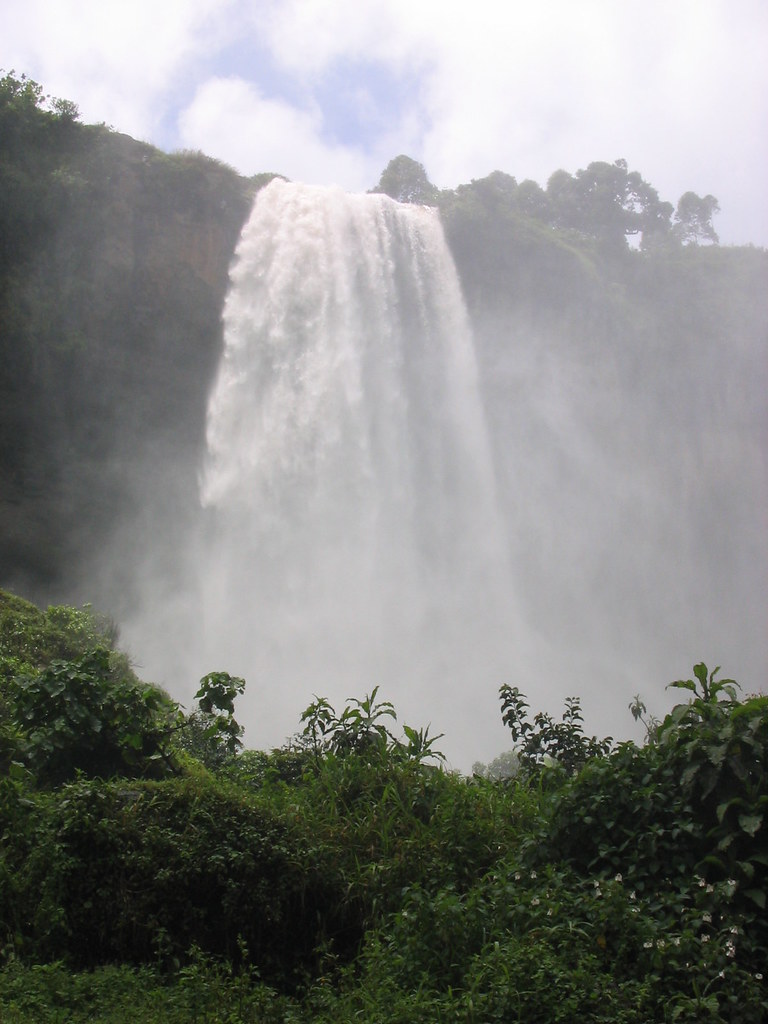
Victoria Falls
Conservation and Environmental Importance
Conservation efforts around Victoria Falls focus on preserving biodiversity, managing tourism impact, and protecting the Zambezi River ecosystem. The falls are recognized as a UNESCO World Heritage Site due to their outstanding natural value and ecological significance. Park authorities implement regulations to balance visitor access with environmental protection, ensuring that the fragile rainforest and surrounding habitats remain sustainable for future generations.
Climate variability and human activity present ongoing challenges that require coordinated regional management. Changes in rainfall patterns can influence water levels, while tourism growth necessitates careful planning to prevent environmental degradation. Cross-border cooperation between Zimbabwe and Zambia plays a critical role in maintaining conservation standards and ensuring that Victoria Falls continues to thrive as one of the world’s greatest natural wonders.
Why Victoria Falls Remains One of the World’s Greatest Travel Destinations
The enduring appeal of Victoria Falls lies in its combination of natural spectacle, adventure opportunities, wildlife encounters, and cultural richness. Few destinations offer such a diverse range of experiences within a single location, allowing travelers to transition seamlessly from tranquil river cruises to heart-pounding adventure sports. The sensory intensity of the waterfall itself creates emotional impact that often becomes the highlight of African travel journeys.
For many visitors, Victoria Falls represents more than a sightseeing location; it becomes a transformative encounter with nature’s power and beauty. The thunderous sound, cooling mist, and panoramic scenery leave lasting memories that define the destination’s reputation as one of the Seven Natural Wonders of the World. Whether experienced as part of a broader African safari or as a standalone adventure trip, Victoria Falls continues to captivate travelers with its timeless grandeur.