
What Drinks Is Tanzania Known For? A Complete Guide to Traditional and Popular Beverages
Overview of Tanzania’s Beverage Culture
Tanzania’s drink culture reflects its geography, agriculture, and diverse cultural influences. From the fertile highlands to the tropical coastline and islands such as Zanzibar, beverages in Tanzania combine indigenous traditions with Arab, Indian, and European influences. Drinks are not only consumed for refreshment but also play an important role in hospitality, social gatherings, and daily life.
The country is especially known for coffee, tea, tropical fruit juices, and locally brewed beverages. In addition, Tanzania produces well-known beers and unique traditional drinks made from grains, bananas, and honey. The variety available ensures that visitors encounter both familiar tastes and completely new flavor experiences during their travels.
Tanzanian Coffee: One of Africa’s Finest
Coffee is among Tanzania’s most famous exports and beloved local drinks. The country produces high-quality Arabica beans grown in volcanic soils and high-altitude regions, particularly around Mount Kilimanjaro and Mount Meru. These growing conditions create coffee with bright acidity, medium body, and complex flavor profiles that often include citrus, berry, or chocolate notes.
Coffee culture is deeply embedded in northern Tanzania. Traditional preparation methods sometimes involve roasting beans over charcoal, grinding them manually, and brewing them in a pot with spices such as ginger or cardamom. Coffee ceremonies and farm tours provide visitors with opportunities to learn about the production process from cultivation to cup, making it one of the most culturally immersive beverages in the country.
Tea and Chai: Daily Comfort Drinks
Tea is another staple beverage widely consumed throughout Tanzania. Large plantations in the southern highlands produce black tea that is enjoyed locally and exported internationally. Tanzanian tea is commonly served with milk and sugar, similar to British-style tea traditions inherited during colonial times.
Chai, or spiced tea, is particularly popular along the coast and in urban areas. Influenced by Indian culinary traditions, chai often includes spices such as cardamom, cinnamon, cloves, and ginger. It is frequently served at breakfast, during social visits, or as an afternoon refreshment. Street vendors and small cafés across the country offer chai as an affordable and comforting drink enjoyed by people of all ages.
Fresh Tropical Fruit Juices
Tanzania’s tropical climate supports abundant fruit production, resulting in delicious natural juices. Mango, pineapple, passion fruit, watermelon, avocado, papaya, and sugarcane juices are widely available and often freshly prepared. These drinks are particularly refreshing in warm weather and are commonly served in hotels, restaurants, and roadside stands.
Fresh juices are also part of daily life for many locals. Seasonal availability influences which fruits are most common at different times of the year, ensuring variety throughout the seasons. Travelers often find fruit juices to be among the healthiest and most flavorful drink options available in the country.
Local Beers and Modern Alcoholic Drinks
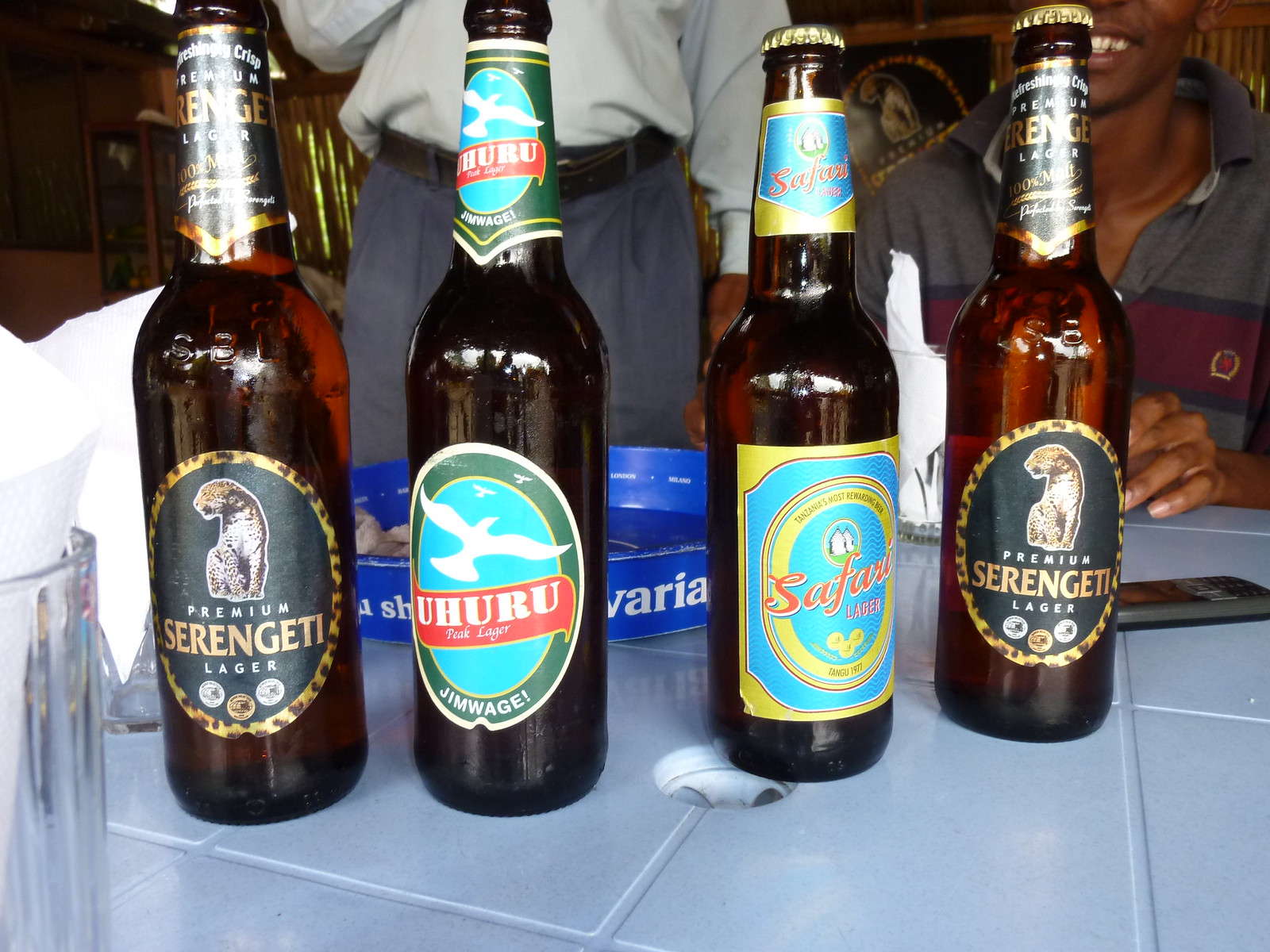
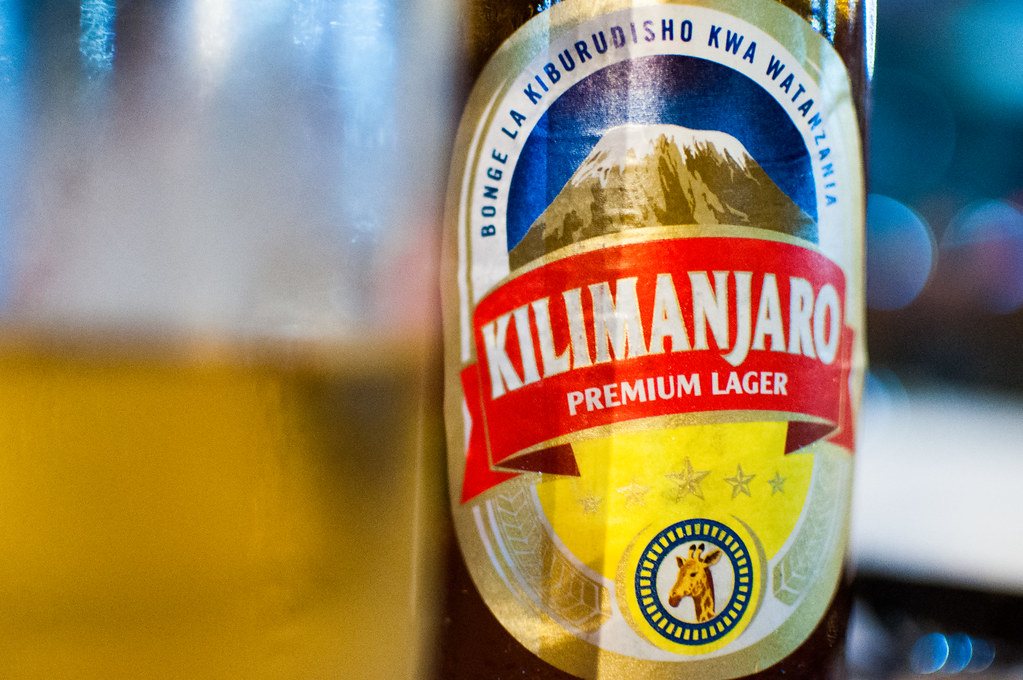
Beer is extremely popular in Tanzania and forms an important part of social culture. Locally brewed lagers are widely consumed in cities, towns, and rural communities. Tanzanian beer brands are known for their smooth taste and affordability, making them accessible to a broad range of consumers.
International spirits and wines are also available, especially in tourist areas. Hotels and restaurants frequently serve imported beverages alongside local options. However, many visitors prefer trying Tanzanian beers as part of the cultural experience.
Traditional Fermented Drinks
Traditional beverages provide insight into Tanzania’s indigenous heritage. Various ethnic groups produce fermented drinks using locally available ingredients such as millet, sorghum, maize, bananas, or honey. These beverages are often homemade and consumed during ceremonies, celebrations, or communal gatherings.
Banana beer is particularly notable in some regions. Produced through fermentation of mashed bananas combined with grains, it has a slightly sour taste and moderate alcohol content. Another traditional drink, often made from honey, resembles mead and is consumed during special occasions. These beverages highlight the resourcefulness and cultural identity of different communities across the country.
Sugarcane Juice and Street Refreshments
Sugarcane juice is a popular street drink, especially in warm regions. Vendors crush fresh sugarcane stalks to extract sweet juice, sometimes adding ginger or lime for extra flavor. This drink is refreshing, energizing, and widely enjoyed by locals and travelers alike.
Street beverages reflect Tanzania’s informal food culture. Affordable, fresh, and easily accessible drinks provide hydration and quick energy throughout the day. These options are particularly common in busy markets and transportation hubs.
Coconut Water and Coastal Specialties
Coconut water is widely consumed along the Tanzanian coast and islands. Fresh coconuts are harvested and opened on the spot, providing a naturally sweet and hydrating drink rich in electrolytes. Coconut milk is also used in cooking and occasionally in beverages.
Coastal regions offer unique flavor combinations influenced by Swahili culture. Drinks may incorporate spices such as cloves, nutmeg, and cinnamon, especially in areas historically connected to the spice trade. These influences create distinctive tastes not commonly found elsewhere.
Soft Drinks and Modern Beverages
Global soft drinks are widely available throughout Tanzania. Carbonated beverages, bottled water, and packaged juices are sold in supermarkets, shops, and restaurants. Urban areas also feature cafés serving espresso-based coffee drinks, smoothies, and milkshakes, reflecting growing modern beverage trends.
Energy drinks and flavored beverages are increasingly popular among younger consumers. This trend reflects globalization and changing lifestyles in cities, though traditional drinks remain culturally significant.
Cultural Importance of Drinks in Tanzania
Beverages play an important role in hospitality and social interaction. Offering tea, coffee, or juice to guests is considered polite and welcoming. Sharing drinks during gatherings strengthens relationships and community bonds.
Traditional drinks also carry ceremonial meaning. Weddings, harvest celebrations, and community rituals often involve locally prepared beverages that symbolize unity and cultural identity. Understanding these traditions provides deeper appreciation for Tanzanian culture beyond tourism experiences.
Conclusion: A Rich and Diverse Drinking Culture
Tanzania is known for a remarkable variety of beverages shaped by nature and tradition. Coffee from volcanic mountains, spiced chai influenced by cultural exchange, tropical fruit juices from fertile lands, and traditional fermented drinks all contribute to the country’s unique beverage identity.
For travelers, exploring Tanzanian drinks is part of experiencing the destination itself. Whether enjoying fresh coconut water on the coast, sipping coffee in the highlands, or tasting local brews in rural communities, beverages offer a window into the country’s lifestyle, history, and environment.