
Wildlife Photography Tips for Big Five Safaris
Introduction to Big Five Wildlife Photography
Wildlife photography on a Big Five safari is about far more than technical skill; it is about patience, preparation, and understanding animal behavior. Photographing lions, leopards, elephants, buffalo, and rhinos in their natural environment presents unique challenges and extraordinary rewards. From vast open savannahs to dense riverine forests, Big Five habitats demand adaptability and thoughtful camera techniques to capture images that convey both scale and emotion. With the right approach, a safari becomes not only a journey of observation but also a powerful storytelling experience through photography.
Understanding Big Five Behavior for Better Images
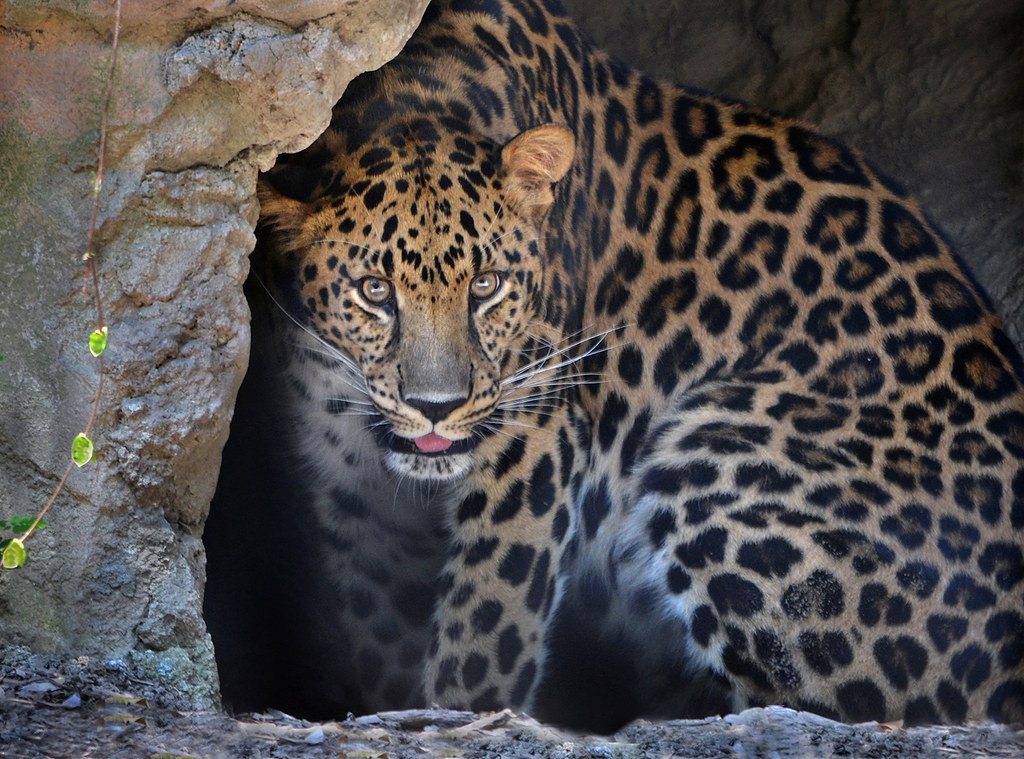
Successful Big Five photography begins with understanding how these animals behave and move within their ecosystems. Lions are most active during early mornings and late afternoons, often offering dramatic hunting or social interaction scenes during golden light. Leopards are elusive and favor shaded riverbanks and trees, requiring patience and quick reflexes when they appear. Elephants move in deliberate, expressive ways, allowing photographers time to compose shots that highlight family dynamics and scale. Buffalo are often found in large herds that create powerful visual patterns, while rhinos tend to be solitary or in small groups, making anticipation and quiet observation essential. Recognizing these behavioral patterns improves both timing and composition.
Choosing the Right Light on Safari
Light is the most important natural element in wildlife photography, especially on Big Five safaris. Early morning light provides soft tones and long shadows that add depth and drama to images, while late afternoon light enhances textures and warm color palettes. Midday sun, although harsher, can still be used effectively for high-contrast black-and-white photography or close-up portraits where detail matters more than atmosphere. Positioning your safari vehicle with the sun behind you or at an angle significantly improves image quality and reduces harsh shadows on animal faces.
Camera Settings for Safari Conditions
Adapting your camera settings to fast-changing safari conditions is essential for capturing sharp and compelling Big Five images. Wildlife movement is unpredictable, so faster shutter speeds are critical, particularly for lions on the hunt or elephants in motion. Wider apertures help isolate subjects from busy backgrounds, especially in grasslands or wooded areas. Adjusting ISO settings dynamically allows flexibility as light changes during game drives. Continuous autofocus modes and burst shooting increase the likelihood of capturing decisive moments, such as a leopard leaping into a tree or a lion making eye contact.
Composition Techniques That Elevate Big Five Photos
Strong composition transforms a wildlife sighting into a memorable photograph. Rather than centering every subject, using natural elements such as trees, open sky, or grassland horizons creates balance and context. Leaving space in the direction an animal is looking or moving adds narrative tension and realism. Close-up portraits emphasize emotion and detail, while wider shots showcase scale and environment, particularly effective for elephants crossing plains or buffalo herds moving as one. Varying perspectives by shooting both at eye level and slightly elevated positions adds visual diversity to your safari portfolio.
Managing Distance and Ethical Photography
Ethical wildlife photography is fundamental on Big Five safaris and directly affects image quality and conservation outcomes. Maintaining respectful distances prevents stress to animals and allows natural behavior to unfold, resulting in more authentic images. Relying on optical zoom rather than approaching too closely ensures safety and preserves the integrity of the encounter. Working in harmony with your guide, who understands animal comfort zones, enhances both photographic opportunities and ethical standards.
Working with Safari Guides for Photography Success
Experienced safari guides are invaluable partners for wildlife photographers. Their knowledge of animal territories, daily routines, and subtle behavioral cues helps position vehicles strategically for optimal angles and light. Communicating your photographic goals—whether portraits, action shots, or environmental scenes—allows guides to tailor stops and pacing accordingly. A collaborative approach often leads to extended sightings and better framing opportunities, particularly for elusive species like leopards and rhinos.
Dealing with Dust, Movement, and Safari Challenges
Big Five safaris present environmental challenges that photographers must adapt to quickly. Dust from safari tracks can affect lenses and sensors, making protective covers and regular cleaning essential. Vehicle movement requires steady hand positioning or beanbags for stabilization, especially when using long lenses. Weather conditions may shift rapidly, but clouds and light rain can add mood and drama to images if embraced creatively rather than avoided.
Storytelling Through Big Five Photography
The most powerful Big Five photographs tell a story rather than simply document a sighting. Capturing interactions within a lion pride, the bond between elephant calves and mothers, or the quiet solitude of a rhino at dusk conveys emotion and context. Including environmental elements such as storm clouds, sunrise mist, or distant landscapes strengthens the narrative and places the animal within its world. This approach elevates safari photography from a collection of images to a cohesive visual journey.
Final Thoughts on Big Five Wildlife Photography
Wildlife photography on a Big Five safari is a balance of technical preparation, ethical practice, and deep respect for nature. By understanding animal behavior, working with light, refining composition, and collaborating closely with experienced guides, photographers can create images that reflect the raw beauty and spirit of Africa’s most iconic wildlife. Each safari offers fleeting moments that can never be repeated, and thoughtful photography ensures those moments are preserved with authenticity and impact.