
Why is Gorilla Trekking So Expensive?
Introduction: The Price of a Once-in-a-Lifetime Experience
Gorilla trekking is one of the most sought-after wildlife experiences in the world – a rare opportunity to come face to face with endangered mountain gorillas in their natural habitat. Yet, many travelers are surprised by the high cost of this adventure. Whether in Uganda, Rwanda, or the Democratic Republic of Congo, gorilla trekking permits and tours are among the most expensive in African tourism. But behind the price tag lies a story of conservation, limited access, and the extraordinary effort required to protect one of the planet’s most vulnerable species.
Understanding What Gorilla Trekking Involves
Gorilla trekking is not a typical wildlife safari. It’s a guided expedition through dense tropical forests, often involving several hours of hiking across steep and humid terrain to locate habituated gorilla families. Once found, visitors are allowed to spend a maximum of one hour observing these incredible primates up close – an intimate and humbling experience that few ever forget.
The entire trekking process requires coordination between wildlife authorities, expert trackers, guides, and armed rangers to ensure both visitor safety and gorilla protection. This level of organization, combined with strict conservation policies, contributes significantly to the cost of each permit.
The Role of Permit Fees
The gorilla trekking permit is the largest expense for anyone planning this adventure. In Uganda, a permit costs $800 per person (as of 2025), while in Rwanda, it is $1,500 per person. The Democratic Republic of Congo offers a cheaper option, averaging around $400, but accessibility and stability can vary.
These fees might seem high, but they are the backbone of gorilla conservation. A large portion of the permit revenue is used to fund anti-poaching patrols, habitat restoration, park management, and community development programs. Without these funds, protecting mountain gorillas and their forest homes would be nearly impossible.
Conservation and Protection Costs
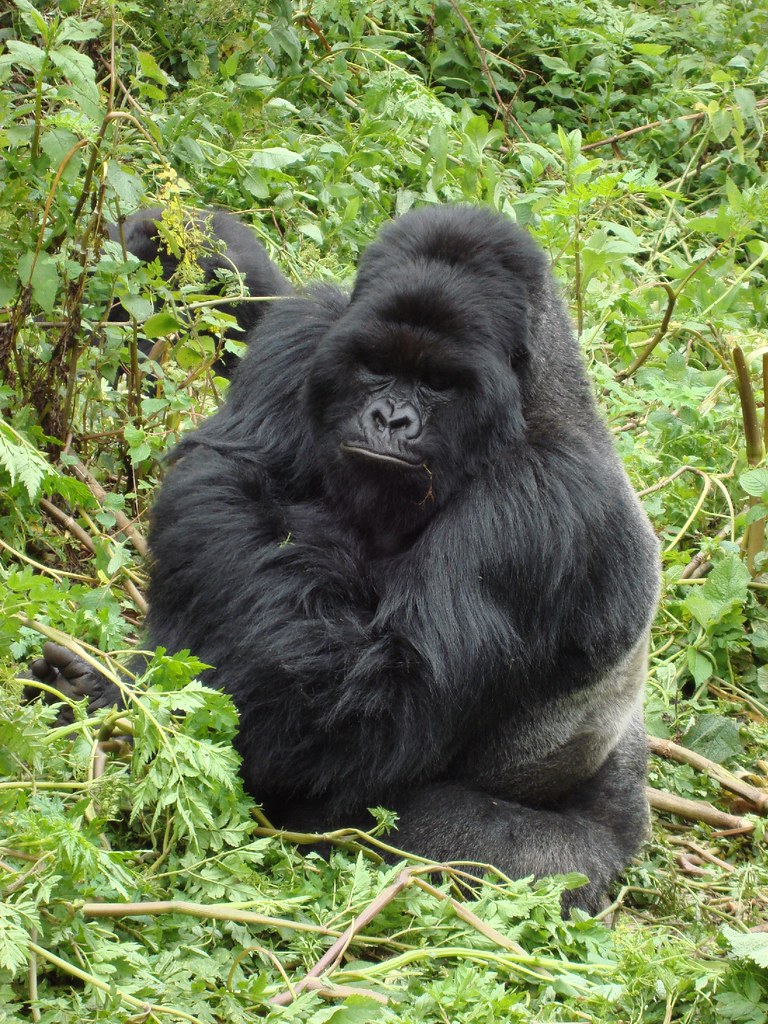
Mountain gorillas are an endangered species, with only around 1,000 individuals remaining worldwide. They inhabit the montane rainforests of the Virunga Mountains and Uganda’s Bwindi Impenetrable National Park – environments that are difficult and costly to manage.
Park authorities employ hundreds of rangers, veterinarians, and researchers to monitor gorilla health and prevent illegal activities such as poaching or deforestation. Maintaining such operations requires substantial and continuous funding.
The revenue from trekking permits and tourism directly supports these efforts, making every visitor a crucial contributor to the species’ survival. In essence, the cost of gorilla trekking reflects the true price of protecting these magnificent creatures and their fragile habitats.
Limited Visitor Numbers for Sustainability
One of the main reasons gorilla trekking is so expensive is the strict limit on visitor numbers. To minimize stress and disease transmission to the gorillas, only a small number of tourists are allowed to visit each habituated gorilla family per day – usually a maximum of eight visitors.
This limitation ensures that the experience remains sustainable and non-intrusive. However, it also means that tourism revenue must be generated from fewer people, leading to higher permit prices. The result is an exclusive, low-impact experience that prioritizes animal welfare over mass tourism.
Community Involvement and Revenue Sharing
Gorilla tourism would not be sustainable without the support of local communities living around the national parks. A percentage of each permit fee – often 10 to 20 percent – is shared with these communities to fund schools, health centers, clean water projects, and alternative livelihood programs.
By directly benefiting from tourism, local people are encouraged to protect rather than exploit the gorillas and their environment. This community-based conservation model has been key to the success of gorilla protection in Uganda and Rwanda, reducing poaching and promoting harmony between people and wildlife.
Logistics and Operational Challenges
Gorilla trekking takes place in remote, mountainous areas that are difficult to access and manage. Infrastructure development, road maintenance, ranger accommodation, and health monitoring programs all require significant investment.
Additionally, each gorilla group must be continuously monitored and habituated – a process that can take two to three years of daily human interaction. The cost of fieldwork, logistics, and staff salaries contributes heavily to the overall trekking expense.
Even visitor safety adds to the cost: armed escorts, medical teams, and emergency services must be available due to the rugged terrain and remote locations of the trekking areas.
The Value of the Experience
Despite its price, gorilla trekking offers an experience that is truly priceless. Observing a 200-kilogram silverback protect his family, or watching young gorillas play among the vines, is an emotional and transformative encounter that connects travelers to nature in a profound way.
The experience is limited, exclusive, and meaningful – not just because of its rarity, but because every dollar spent helps ensure the gorillas’ continued survival. The high cost, therefore, becomes part of a larger story – one of conservation success and global responsibility.
Is Gorilla Trekking Worth the Cost?
For most visitors, the answer is a resounding yes. The combination of natural beauty, physical adventure, and emotional connection makes gorilla trekking one of the most unforgettable experiences in the world. Moreover, by choosing to participate, travelers become active partners in wildlife conservation.
Every permit purchased helps pay for ranger patrols, veterinary care, and community development – turning tourism into a force for good. When viewed from this perspective, gorilla trekking is not just an expensive activity; it’s an investment in the future of Africa’s biodiversity.
Conclusion: Paying for Conservation and Connection
Gorilla trekking is expensive because it has to be. The cost reflects the immense effort required to protect endangered gorillas, preserve their habitats, and support the people who share their land. Every fee helps sustain conservation initiatives that have brought these incredible creatures back from the brink of extinction.
When you pay for a gorilla trekking experience, you’re not just buying an adventure – you’re funding hope, safeguarding a species, and helping future generations witness one of nature’s most powerful encounters.