
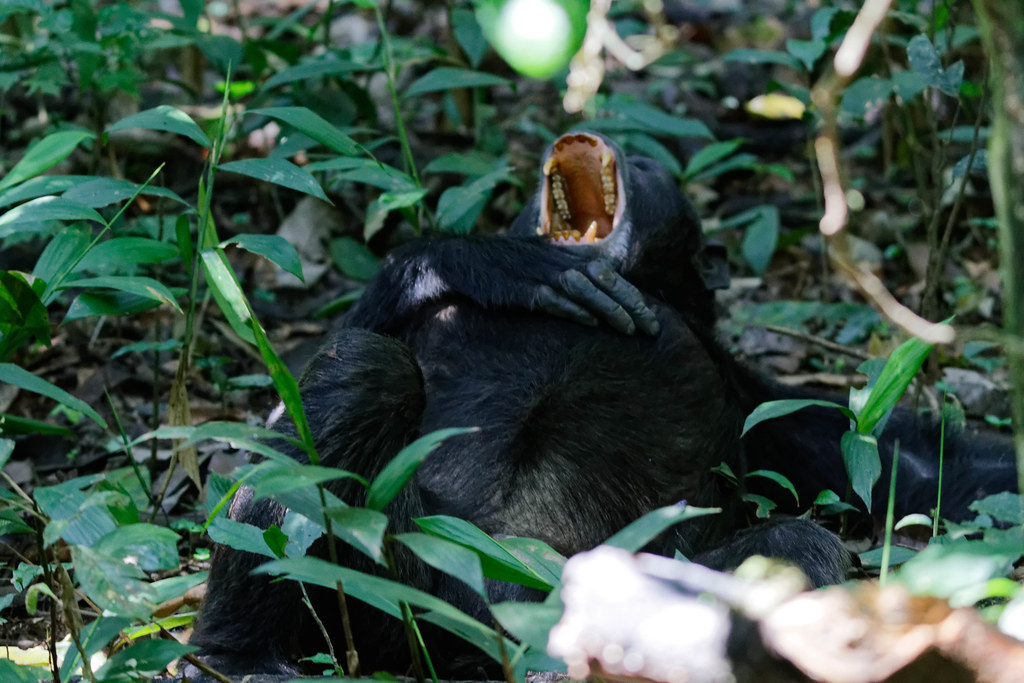
Chimpanzee Habituation Experience in Uganda
Introduction: A Deeper Connection with Our Closest Relatives
Few wildlife encounters in the world can compare to the thrill of observing chimpanzees in their natural habitat. In Uganda, the Chimpanzee Habituation Experience (CHEX) offers visitors a rare opportunity to go beyond ordinary tracking and spend an entire day with these intelligent primates as they go about their daily routines. Unlike regular chimpanzee trekking, which lasts about an hour, the habituation experience allows you to follow a wild chimp community from dawn to dusk – observing their behaviors, interactions, and unique personalities up close.
This in-depth adventure is not only educational but also emotionally powerful, offering a glimpse into the complex social world of our closest living relatives.
What is the Chimpanzee Habituation Experience?
The Chimpanzee Habituation Experience is a special activity that allows travelers to join researchers, guides, and rangers as they habituate wild chimpanzees to human presence. Habituation is a gradual process where scientists and trackers spend months or even years following wild chimps to make them comfortable around humans without changing their natural behavior.
During this experience, visitors accompany the team for a full or half day in the forest, helping to locate the chimps, observe their movements, and document their activities. It’s an immersive conservation-based activity that combines adventure with learning – ideal for those seeking more than just a quick sighting.
Where to Do the Chimpanzee Habituation Experience in Uganda
The best and most popular place for the Chimpanzee Habituation Experience in Uganda is Kibale Forest National Park, located in western Uganda near Fort Portal. Known as the Primate Capital of the World, Kibale is home to the highest concentration of primates in Africa, including over 1,500 chimpanzees and 12 other species such as red colobus monkeys, blue monkeys, and L’Hoest’s monkeys.
A smaller-scale habituation experience is also offered in Budongo Forest Reserve near Murchison Falls National Park, but Kibale remains the premier destination due to its accessibility, dense chimp population, and rich biodiversity.
What to Expect During the Experience
The day begins early – often before sunrise – as you set out into the forest with expert guides and researchers. The goal is to locate the chimps as they wake up, follow them throughout their daily activities, and observe their natural interactions in detail.
Expect to spend several hours on foot, trekking through thick vegetation, crossing streams, and sometimes following the chimps at a brisk pace as they move through the forest canopy. It’s physically demanding but incredibly rewarding.
Throughout the day, you’ll witness fascinating chimpanzee behaviors such as grooming, feeding, nest building, communication, and even hunting. You may hear their loud pant-hoots echo through the forest or see young chimps playing in the trees. Because these chimpanzees are still in the process of habituation, they are less predictable and may keep a greater distance than fully habituated groups – adding a true sense of wilderness to the adventure.
The Difference Between Habituation and Tracking
While chimpanzee tracking allows visitors to spend one hour with a fully habituated group, the habituation experience offers a much deeper encounter. You spend up to four hours or a full day observing semi-habituated chimps, following their movements from early morning until evening.
Habituation is also more participatory – you’re not just a spectator, but a temporary member of the research team. This makes the experience ideal for wildlife enthusiasts, photographers, and travelers who want a more intimate understanding of primate behavior and conservation.
Cost of the Chimpanzee Habituation Experience
The Chimpanzee Habituation Experience permit in Kibale Forest costs USD 250 per person (as of 2025), compared to USD 200 for regular tracking. While slightly more expensive, the experience offers significantly more time and a richer understanding of the chimpanzees’ daily lives.
Permits can be booked through the Uganda Wildlife Authority (UWA) or licensed tour operators, and it’s recommended to reserve well in advance since only a limited number of people are allowed each day.
Best Time to Go for the Habituation Experience
Chimpanzee habituation in Uganda can be done all year, but the dry seasons (June to September and December to February) are considered the best times. During these months, forest trails are easier to navigate, and sightings are more frequent as chimps move actively in search of fruit.
The wet seasons (March to May and October to November) bring lush vegetation and fewer visitors, offering a quieter, greener forest atmosphere – ideal for those seeking solitude and great photography conditions.
What to Pack for the Experience
Because the experience involves long hours in the rainforest, proper preparation is essential. Wear comfortable hiking boots, long pants, and lightweight long-sleeved shirts to protect against insects and branches. Bring a rain jacket, hat, insect repellent, snacks, and plenty of drinking water.
A good pair of binoculars and a camera with a zoom lens will help you capture memorable moments. Remember to maintain a respectful distance and avoid flash photography, as chimps can be sensitive to sudden light or noise.
Conservation Importance
By joining the habituation experience, visitors contribute directly to chimpanzee conservation. The funds from permit sales support forest protection, research, and community development around Kibale National Park.
Habituating chimps also plays a crucial role in their long-term survival. Once accustomed to humans, these chimpanzee groups can be safely visited by tourists, providing sustainable income for conservation and reducing the threat of poaching.
Moreover, the data collected during habituation helps scientists understand chimp behavior, social dynamics, and health – essential for protecting their populations across Africa.
The Rewarding Essence of the Experience
Spending a day in the wild with chimpanzees is transformative. It’s an intimate look at creatures that share over 98% of our DNA, reflecting so many human-like emotions and interactions. Watching a mother gently groom her infant, seeing a dominant male assert control, or hearing their communication calls resonate through the forest creates a connection that feels deeply personal.
The Chimpanzee Habituation Experience is not just a safari activity – it’s a journey into understanding our evolutionary relatives and the fragile ecosystems they inhabit.
Conclusion: A Lifetime Encounter in Uganda’s Forests
The Chimpanzee Habituation Experience in Uganda is one of the most authentic and enriching wildlife adventures in Africa. It combines the thrill of exploration with the fulfillment of supporting conservation and scientific research.
Whether you’re a nature enthusiast, photographer, or curious traveler, this experience promises insight, emotion, and connection. In the heart of Kibale’s ancient forest, every rustle, every call, and every encounter tells a story of nature’s intelligence and resilience – a story you’ll carry with you long after the forest fades from view.