
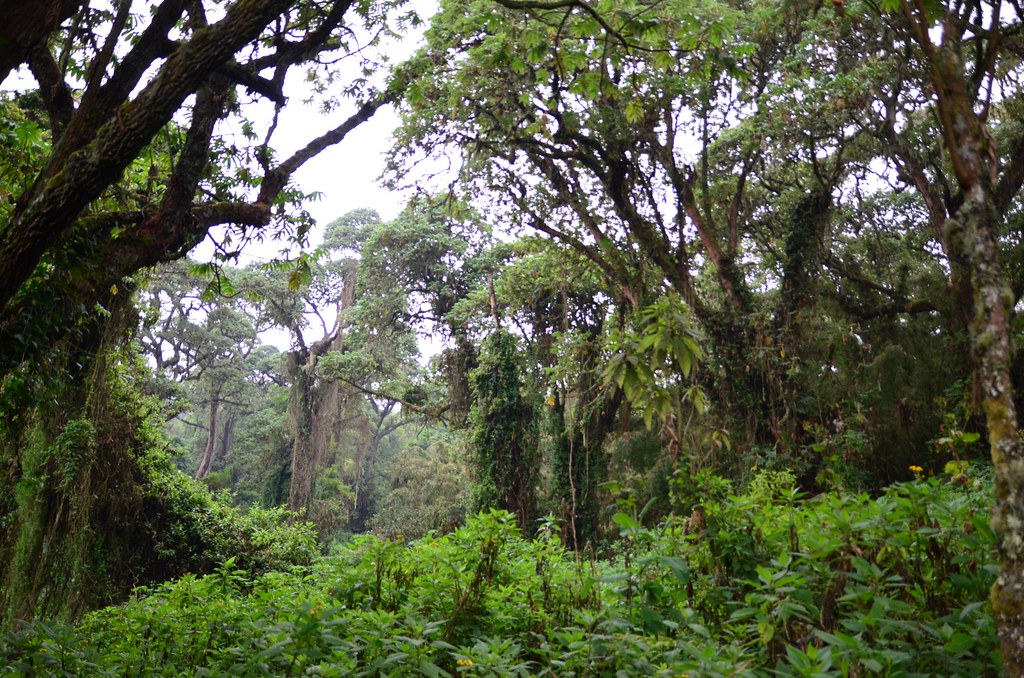
Experiencing Sunrise in the Virunga Mountains
Sunrise in the Virunga Volcanoes is a moment of quiet transformation, where darkness slowly lifts to reveal one of Africa’s most dramatic mountain landscapes. Straddling Uganda, Rwanda, and the Democratic Republic of Congo, the Virunga Massif is defined by towering volcanic cones, deep forested slopes, and mist-filled valleys that seem to breathe as the sun rises. For photographers, nature lovers, and travelers seeking meaningful visual experiences, sunrise here offers a rare blend of mood, scale, and atmosphere.
Unlike open savannahs where sunrise arrives quickly and decisively, the Virunga region awakens gradually. Clouds cling to ridges, fog drifts through valleys, and soft light paints the volcanoes in layers. Understanding this slow reveal is essential to capturing images that feel immersive rather than rushed.
Understanding Light and Mood in the Virungas
The quality of light at sunrise in the Virunga Volcanoes is shaped by altitude and weather patterns. The volcanoes rise sharply from surrounding farmland, creating microclimates where mist and cloud form overnight. As the sun approaches the horizon, this moisture diffuses the light, producing gentle gradients of pink, gold, and lavender across the sky.
This soft light reduces harsh contrasts and allows textures in vegetation, lava slopes, and distant peaks to emerge naturally. Some volcanoes catch the first light along their upper ridges while lower slopes remain in shadow, creating depth and visual tension within a single frame. Paying attention to how light moves across these surfaces helps photographers anticipate when and where to shoot.
Choosing the Best Sunrise Locations
Finding the right viewpoint is the foundation of successful sunrise photography in the Virungas. Elevated positions overlooking valleys tend to offer the most dramatic perspectives, as they allow mist, mountains, and sky to interact in one composition. Areas around Volcanoes National Park in Rwanda and the Nkuringo and Buhoma regions in southwestern Uganda provide natural vantage points where multiple volcanic peaks can be seen at once.
Lower viewpoints can be equally powerful when fog is thick. In these situations, volcanoes often emerge slowly from cloud layers, creating minimalist compositions where silhouettes and negative space tell a stronger story than full visibility. Visiting potential viewpoints during the day allows you to plan compositions, identify foreground elements, and ensure safe access in the early morning hours.
Preparing for Early Morning Conditions
Preparation is critical when photographing sunrise in the Virunga Volcanoes. Mornings are cold, damp, and often windy at higher elevations, so protecting both yourself and your equipment is essential. Condensation is common, particularly when moving from warm accommodation into cool outdoor air, and allowing your camera to acclimatize before shooting helps prevent lens fogging.
Arriving at your chosen location well before sunrise allows time to set up, test compositions, and observe changing conditions. The most compelling images often occur before the sun fully breaks the horizon, when subtle color shifts and mist movement create a sense of anticipation.
Composing Powerful Sunrise Images
Strong composition transforms a beautiful sunrise into a memorable photograph. In the Virunga Volcanoes, layering is one of the most effective techniques. Foreground elements such as ridgelines, trees, or terraced farmland help anchor the image, while midground mist and background volcanoes create depth.
Using the natural curves of volcanic slopes to guide the viewer’s eye toward the rising sun adds flow and balance. When clouds are dense, focusing on abstract shapes, light patterns, and tonal contrasts can produce images that feel artistic rather than purely documentary.
Camera Settings and Technical Considerations
Sunrise photography in the Virungas demands flexibility and patience. Light levels change rapidly, so adjusting exposure frequently is necessary. Shooting in a format that preserves maximum detail allows you to recover highlights and shadows later, especially when mist creates high-contrast scenes.
Tripods are invaluable during low-light moments before sunrise, enabling slower shutter speeds without sacrificing sharpness. As the light increases, transitioning to handheld shooting allows for more spontaneous compositions as clouds shift and light breaks through unexpectedly.
Working with Mist and Clouds
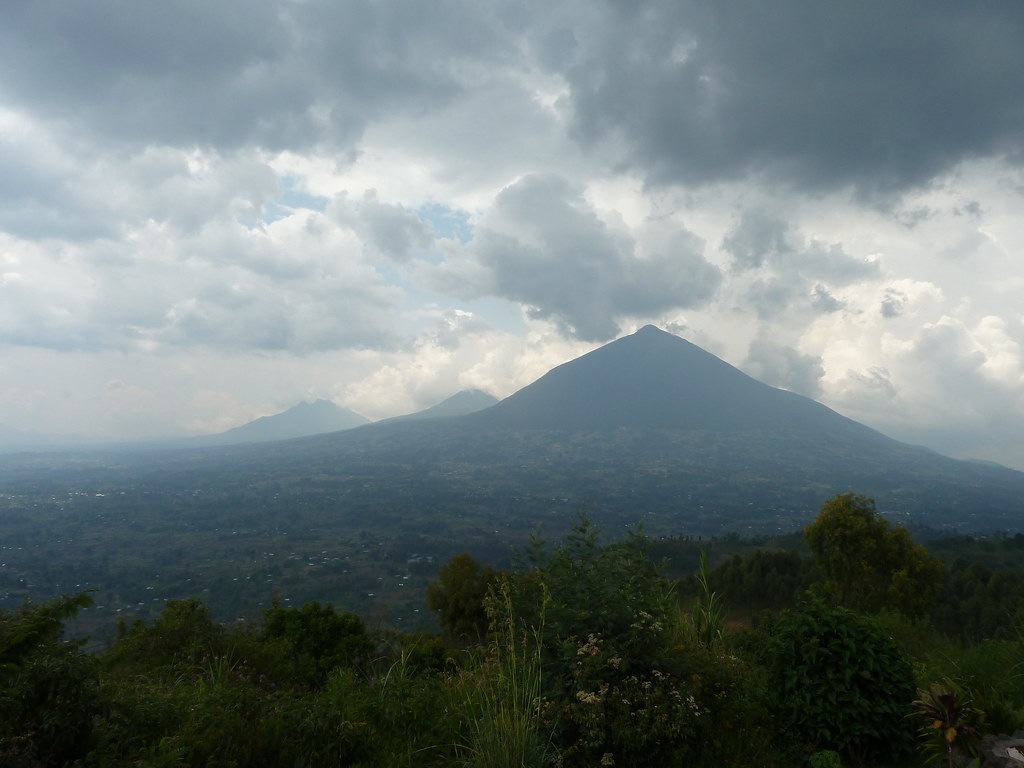
Mist is one of the defining elements of sunrise in the Virunga Volcanoes, and learning to embrace it rather than fight it leads to stronger images. Instead of waiting for clear skies, use fog to simplify scenes and draw attention to light and form. Partial views of volcanoes often feel more dramatic than fully revealed peaks, inviting the viewer to imagine what lies beyond the clouds.
Watching how mist moves with the wind helps you anticipate moments when peaks briefly appear or light rays cut through the fog. These fleeting seconds often produce the most striking images and reward photographers who remain patient and observant.
Seasonal Influences on Sunrise Photography
The time of year significantly affects sunrise conditions in the Virungas. During drier months, skies are often clearer, and distant volcanoes appear more defined. In wetter periods, clouds and mist dominate, creating moodier, more atmospheric scenes with softer color palettes.
Both seasons offer unique opportunities. Clear mornings emphasize scale and detail, while misty mornings highlight emotion and mystery. Understanding seasonal patterns allows photographers to align their creative goals with the most suitable conditions.
Respecting the Environment and Local Communities
Photographing sunrise in the Virunga region comes with a responsibility to respect nature and people. Many viewpoints overlook rural communities, farmland, or protected areas. Remaining discreet, following park regulations, and avoiding disturbance to wildlife ensures that these landscapes remain intact for future visitors.
Engaging local guides can also enhance your experience. Their knowledge of weather patterns, hidden viewpoints, and cultural context adds depth to both your photography and your understanding of the region.
Creating Meaningful Sunrise Stories
The most powerful sunrise photographs from the Virunga Volcanoes go beyond visual beauty. They tell stories of place, atmosphere, and connection between land and sky. By slowing down, observing light and weather, and composing with intention, photographers can capture images that reflect the spirit of these ancient volcanoes.
Sunrise in the Virungas is not just an event to photograph. It is an experience to absorb, where patience is rewarded and each morning reveals a different character of the mountains. When approached thoughtfully, these moments produce images that resonate long after the light has faded.