
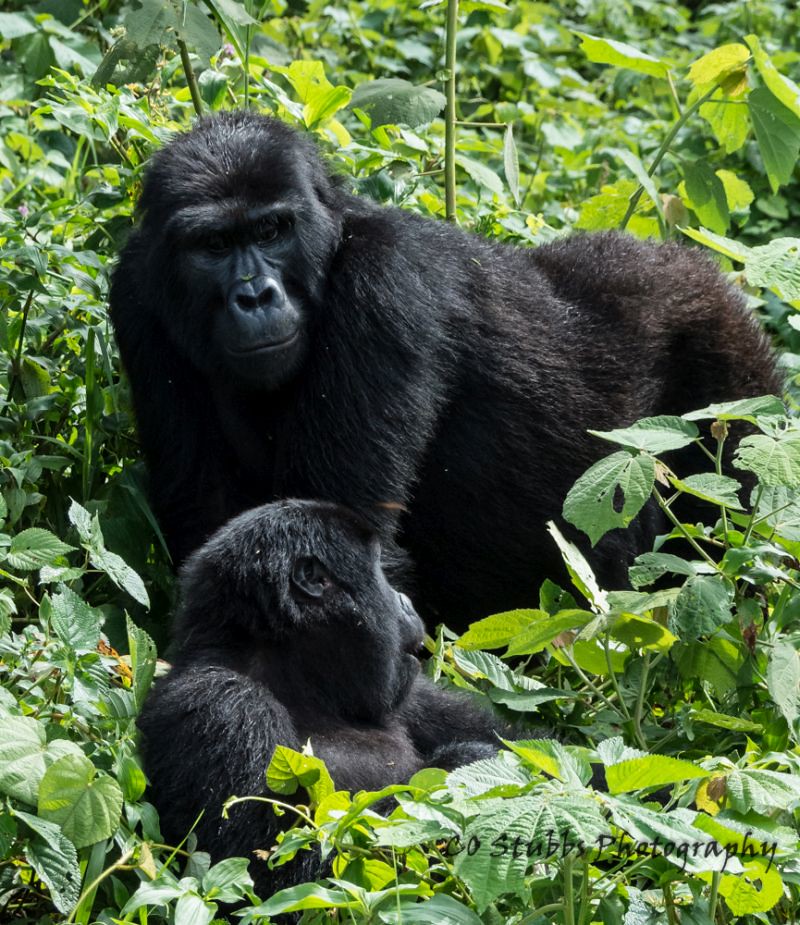
Gorilla Population Growth Success Stories
Gorilla population growth success stories represent one of conservation’s greatest achievements in modern Africa. At a time when many wildlife species continue to decline due to habitat loss, poaching, and human pressure, mountain gorillas stand out as a rare example of a species that has steadily increased in number. These success stories are the result of decades of dedicated conservation work, strong government protection, international support, and meaningful involvement of local communities living alongside gorilla habitats.
The Remarkable Recovery of Mountain Gorillas
Mountain gorillas were once on the brink of extinction. In the 1980s, their population had dropped to fewer than 300 individuals, raising serious fears that the species would disappear entirely. Today, thanks to sustained conservation action, mountain gorilla numbers have surpassed 1,000 individuals, making them the only great ape species whose population is currently increasing.
This recovery has taken place primarily in the Virunga Massif, shared by Uganda, Rwanda, and the Democratic Republic of Congo, and in Bwindi Impenetrable National Park in Uganda. These protected landscapes have become global symbols of what coordinated conservation can achieve.
Strong Protection Through National Parks
The establishment and effective management of national parks have been central to gorilla population growth. Bwindi Impenetrable National Park, Volcanoes National Park, Mgahinga Gorilla National Park, and Virunga National Park provide secure habitats where gorillas are protected from deforestation, hunting, and human encroachment.
Well-trained ranger teams conduct daily patrols, monitor gorilla families, remove snares, and respond quickly to threats. This constant presence on the ground has significantly reduced poaching and illegal activities, allowing gorilla groups to reproduce and thrive in safety.
Community Conservation as a Key Success Factor
One of the most powerful success stories comes from community involvement. Conservation programs have shifted from exclusion to inclusion, ensuring that local communities benefit directly from gorilla protection. Revenue from gorilla trekking permits is shared with surrounding communities, funding schools, health centers, clean water projects, and infrastructure development.
As a result, local people increasingly see gorillas as valuable assets rather than competitors for land and resources. This change in perception has reduced conflict and strengthened local support for conservation, creating a protective buffer around gorilla habitats.
Veterinary Care and Gorilla Health Monitoring
Another critical contributor to population growth is veterinary intervention and health monitoring. Specialized wildlife veterinary teams regularly monitor gorilla health, treating injuries caused by snares, illness, or human-related diseases. These interventions have saved countless gorillas that would otherwise not survive.
Close monitoring also helps prevent disease transmission between humans and gorillas, a vital factor given the genetic similarity between the two species. Improved health management has increased survival rates, particularly among infants, contributing directly to population growth.
Responsible Tourism and Sustainable Funding
Gorilla tourism has played a transformative role in conservation success. Carefully managed gorilla trekking generates significant revenue that is reinvested into park management, ranger salaries, veterinary services, and community projects. Strict trekking rules, such as limited group sizes and controlled viewing times, ensure that tourism does not harm gorilla behavior or health.
This sustainable tourism model has proven that wildlife protection and economic development can coexist. Gorilla trekking revenue has provided long-term financial stability for conservation efforts, reducing reliance on unpredictable donor funding.
Cross-Border Collaboration in Gorilla Protection
Gorilla population growth has also been driven by regional cooperation. Uganda, Rwanda, and the Democratic Republic of Congo collaborate through joint conservation initiatives, sharing data, coordinating patrols, and aligning policies across borders. Since gorillas move freely across national boundaries, this cooperation has been essential for their protection.
This transboundary approach ensures that gorilla families are safeguarded regardless of which country they inhabit at a given time, strengthening overall population resilience.
Lessons Learned from Gorilla Conservation Success
The recovery of mountain gorillas offers valuable lessons for global conservation. Long-term commitment, strong law enforcement, community inclusion, sustainable tourism, and science-based management have all proven essential. Gorilla population growth shows that even critically endangered species can recover when conservation strategies are well-funded, locally supported, and consistently implemented.
These lessons are now being applied to other threatened species and ecosystems across Africa, making gorilla conservation a model for broader wildlife protection efforts.
Ongoing Challenges Despite Success
Despite these success stories, challenges remain. Gorilla habitats are limited in size, and growing human populations around parks continue to create pressure on land and resources. Disease risks, climate change, and political instability in some regions also pose ongoing threats.
However, the existing conservation framework has shown resilience and adaptability, providing hope that gorilla populations can continue to grow if current efforts are maintained and strengthened.
A Global Conservation Triumph
Gorilla population growth success stories represent a rare and inspiring victory for wildlife conservation. From the brink of extinction to steady population increase, mountain gorillas demonstrate what is possible when governments, communities, conservationists, and travelers work together toward a shared goal.
While challenges persist, the continued growth of gorilla populations stands as proof that conservation works. These success stories not only secure the future of mountain gorillas but also offer hope and guidance for protecting other endangered species around the world.