
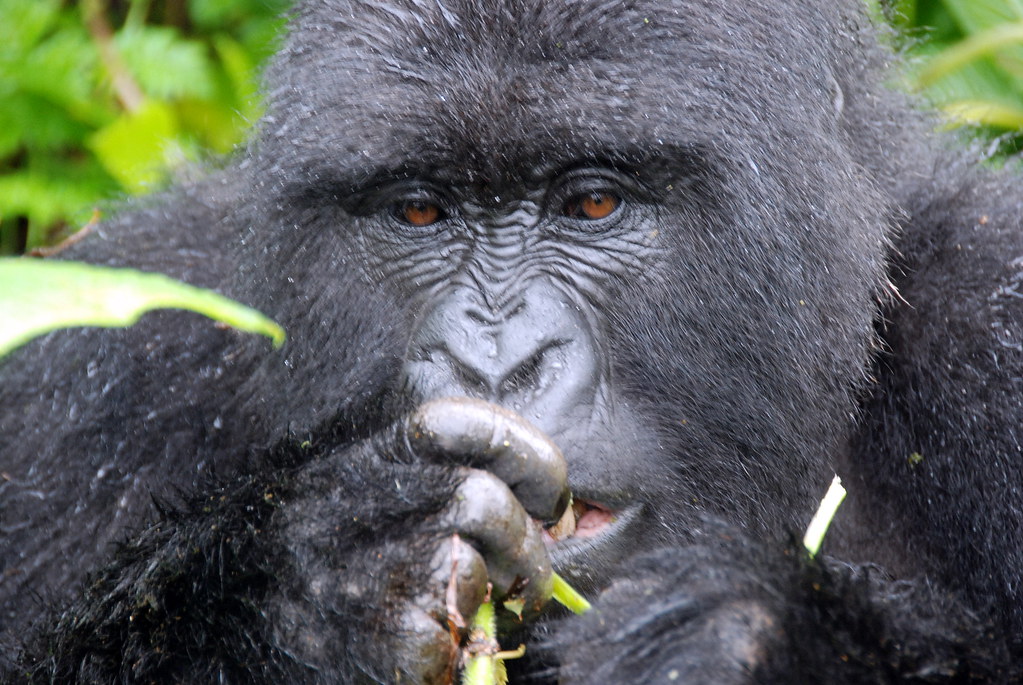
Anti-Poaching Efforts for Gorillas
Anti-poaching efforts for gorillas are a cornerstone of successful mountain gorilla conservation in East and Central Africa. Although gorillas are rarely hunted deliberately, they face constant danger from illegal activities such as wire snaring, habitat encroachment, and bushmeat hunting targeting other species. Over the years, a coordinated approach combining law enforcement, community engagement, technology, and international cooperation has dramatically reduced poaching threats and contributed to the steady growth of gorilla populations.
Ranger-Led Patrols in Gorilla Habitats
Well-coordinated ranger patrols form the frontline of anti-poaching operations. In protected areas such as Bwindi Impenetrable National Park, Mgahinga Gorilla National Park, Volcanoes National Park, and Virunga National Park, rangers conduct daily foot patrols deep within dense forests. These patrols focus on detecting illegal entry, dismantling traps, monitoring gorilla movements, and identifying early signs of human activity.
The constant presence of trained rangers acts as a strong deterrent to poachers while allowing rapid response to threats before they escalate into serious harm to gorilla families.
Snare Detection and Removal
Wire snares remain one of the most dangerous threats to gorillas. Set primarily to catch antelope or small mammals, these traps frequently injure gorillas, especially juveniles. Anti-poaching teams prioritize systematic snare detection and removal during patrols, significantly reducing accidental injuries and fatalities.
When snared gorillas are discovered, rangers immediately alert veterinary teams, enabling timely medical intervention. Many gorillas surviving today are direct beneficiaries of fast snare detection and removal.
Intelligence Gathering and Law Enforcement
Effective anti-poaching efforts rely heavily on intelligence-led enforcement. Rangers and conservation authorities gather information from patrols, informants, and community networks to identify poaching routes, repeat offenders, and illegal trade networks. This intelligence supports targeted patrols, arrests, and prosecutions, strengthening the legal consequences of wildlife crime.
Improved law enforcement has increased conviction rates, sending a strong message that poaching in gorilla habitats carries serious penalties.
Community Involvement in Anti-Poaching
Local communities play an increasingly important role in preventing poaching. Conservation programs encourage community participation by sharing tourism revenue, providing alternative livelihoods, and promoting conservation education. As communities benefit directly from gorilla tourism, they become active partners in reporting illegal activities and protecting forest resources.
This shift has transformed former poaching hotspots into conservation success zones, reducing pressure on gorilla habitats while improving local livelihoods.
Use of Technology in Gorilla Protection
Modern technology has strengthened anti-poaching efforts across gorilla ranges. GPS tracking, digital patrol monitoring systems, and real-time data collection help conservation teams analyze patrol coverage and identify high-risk areas. In some regions, aerial surveillance and camera traps further support ranger operations by detecting illegal activity in remote locations.
Technology enhances ranger efficiency while ensuring that resources are deployed where they are most needed.
Cross-Border Collaboration Against Poaching
Since gorillas move freely across national boundaries, cross-border cooperation is essential. Uganda, Rwanda, and the Democratic Republic of Congo collaborate through joint patrols, information sharing, and coordinated law enforcement strategies. This regional approach ensures that poachers cannot exploit borders to evade detection.
Such collaboration has strengthened overall protection across the entire mountain gorilla range, making conservation efforts more resilient and effective.
Challenges Facing Anti-Poaching Programs
Despite significant progress, anti-poaching efforts still face challenges. Human population growth around protected areas, economic hardship, and demand for bushmeat continue to create pressure on forests. Rangers often operate in difficult terrain and, in some regions, face serious security risks.
Sustained funding, continued community engagement, and ongoing training remain essential to maintaining anti-poaching gains.
Anti-Poaching as a Foundation for Gorilla Survival
Anti-poaching efforts for gorillas have proven that focused, well-supported conservation works. Through ranger patrols, snare removal, community partnerships, technology, and regional cooperation, the threat of poaching has been significantly reduced across major gorilla habitats.
These efforts have played a vital role in the recovery of mountain gorilla populations and continue to safeguard their future. Protecting gorillas from poaching is not a one-time achievement but an ongoing commitment that ensures these remarkable primates survive for generations to come.