
What Is the Size of Queen Elizabeth National Park?
Overview of the Size of Queen Elizabeth National Park
Queen Elizabeth National Park covers approximately 1,978 square kilometers (764 square miles), making it one of the largest and most ecologically diverse protected areas in Uganda. Its impressive size contributes significantly to its biodiversity, scenic beauty, and variety of wildlife experiences available to visitors. The park ranks as the second-largest national park in Uganda, following Murchison Falls National Park, and plays a central role in the country’s tourism and conservation landscape.
The vast area of the park allows it to contain multiple ecosystems within a single protected boundary. From open savannah plains and wetlands to tropical forests, crater lakes, and river systems, the diversity of habitats is directly linked to its extensive geographical coverage. This combination of size and habitat variation makes Queen Elizabeth National Park one of Africa’s most remarkable safari destinations.
Geographic Extent Across Western Uganda
The park stretches across several districts in western Uganda, forming a significant conservation zone within the Albertine Rift Valley. It extends through Kasese, Rubirizi, Rukungiri, and Kamwenge districts, covering landscapes that range from lowland plains to volcanic crater regions and forested gorges. This broad geographical spread contributes to the park’s ecological richness and wildlife diversity.
Its location also connects it with neighboring conservation areas. The park lies near Kibale National Park to the northeast and Bwindi Impenetrable National Park to the south, creating an interconnected tourism circuit that allows visitors to experience multiple ecosystems within a relatively compact region of the country.
The Albertine Rift and Its Influence on Size
The Albertine Rift Valley plays a major role in shaping the park’s landscape and ecological scope. This geological formation, part of the larger East African Rift System, has created varied terrain including escarpments, valleys, lakes, and volcanic features. The park’s large size allows it to encompass many of these geological formations within its boundaries.
This geological diversity enhances biodiversity. Different elevations and landforms create microhabitats that support a wide range of plant and animal species. The park’s extensive area ensures that wildlife populations have sufficient space for migration, feeding, and breeding, which is essential for long-term conservation.
Water Bodies Within the Park’s Area
A significant portion of the park’s size includes water systems that support wildlife and tourism. The park is bordered by Lake Edward to the southwest and Lake George to the northeast, both of which are connected by the famous Kazinga Channel. These water bodies expand the ecological footprint of the park beyond land area alone, creating aquatic habitats that attract animals year-round.
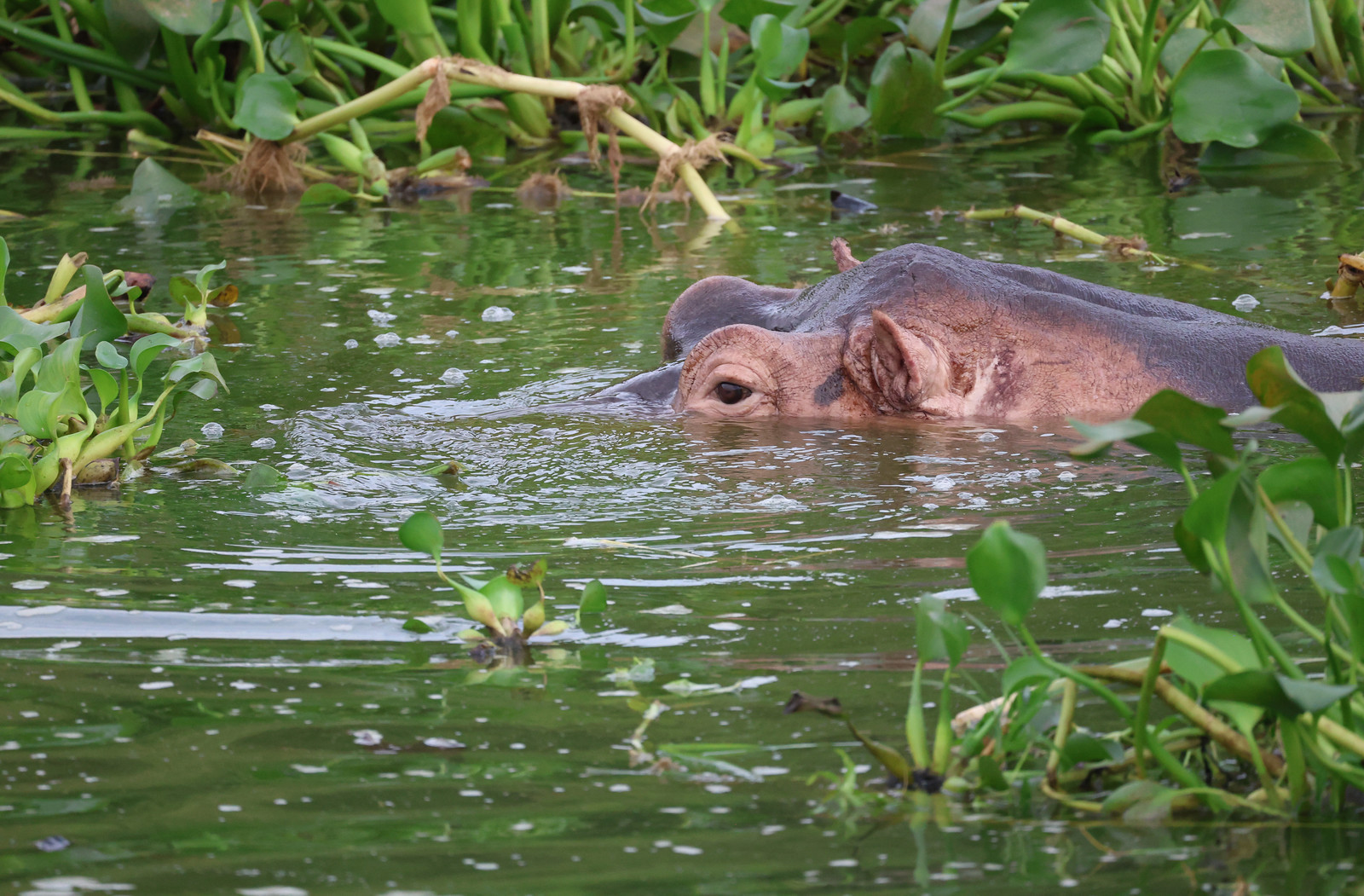
Wetlands and river systems further increase ecological diversity. Marshes, papyrus swamps, and seasonal water channels within the park contribute to its biological productivity. These water resources support large populations of hippos, crocodiles, birds, and other wildlife species.
Different Sectors Within the Park’s Size
The park’s large size allows it to be divided into distinct sectors, each with unique landscapes and attractions. The Mweya Peninsula serves as the main tourism hub, located between Lake Edward and the Kazinga Channel. This sector offers lodges, boat safaris, and game drives across open plains.
The Ishasha sector lies in the southern region of the park. Known for its tree-climbing lions, Ishasha provides a more remote and less crowded safari experience. Its location near Bwindi makes it a popular stop for travelers combining wildlife viewing with gorilla trekking.
The Kyambura Gorge area occupies the eastern section of the park. This forested valley contrasts sharply with surrounding savannah landscapes and is famous for chimpanzee tracking. The presence of multiple sectors within the park highlights how its large size supports diverse tourism experiences.
Biodiversity Supported by the Park’s Size
The extensive area of Queen Elizabeth National Park directly contributes to its remarkable biodiversity. The park is home to more than 95 mammal species, including elephants, lions, leopards, buffaloes, hippos, and antelopes. Large carnivores and herbivores require significant space to survive, making the park’s size essential for ecological balance.
Birdlife diversity is equally impressive. With over 600 recorded bird species, the park is considered one of the best birdwatching destinations in Africa. The combination of wetlands, forests, savannah, and lakes provides habitats for both resident and migratory birds.
Importance of Size for Wildlife Conservation
Large protected areas are crucial for maintaining healthy wildlife populations. Queen Elizabeth National Park’s size allows animals to move freely, reducing competition for resources and supporting natural ecological processes. Migration corridors within the park help maintain genetic diversity and species survival.
The park also serves as a buffer against human pressure. Surrounding communities rely on agriculture and fishing, but the park’s protected boundaries ensure that core wildlife habitats remain intact. Conservation programs within the park aim to balance ecological protection with community development.
Tourism Advantages of a Large National Park
The size of the park enhances visitor experiences by offering variety and space. Tourists can explore multiple ecosystems without leaving the park, including savannah plains, crater lakes, wetlands, and forests. This diversity creates opportunities for game drives, boat safaris, chimpanzee tracking, and birdwatching within a single destination.
Large areas also reduce overcrowding. Even during peak tourism seasons, visitors can find quieter regions, particularly in remote sectors such as Ishasha. This sense of wilderness and exclusivity is a major attraction for safari travelers.
Comparison With Other African Parks
Although not the largest in Africa, Queen Elizabeth National Park compares favorably with many well-known safari destinations. Its combination of size, biodiversity, and scenic landscapes places it among the continent’s most significant conservation areas.
Within Uganda, it holds a prominent position. Only Murchison Falls National Park is larger, but Queen Elizabeth’s ecological diversity and accessibility make it one of the most visited parks in the country.
Scenic Diversity Within the Park’s Boundaries
The park’s extensive area allows for extraordinary scenic variety. Rolling savannah plains transition into crater lake regions, while wetlands merge into forested gorges and lakeshores. The backdrop of the Rwenzori Mountains adds dramatic beauty to the landscape.
This diversity enhances photographic and wildlife viewing opportunities. Different habitats attract different species, ensuring that visitors encounter a wide range of animals during their stay.
Human Communities and the Park’s Size
Communities live around the boundaries of the park, creating a unique relationship between conservation and human livelihoods. Fishing villages near the lakes and agricultural communities surrounding the park depend on natural resources while benefiting from tourism opportunities.
The large park area helps reduce human-wildlife conflict. By providing sufficient habitat for animals, the park minimizes the likelihood of wildlife encroaching on farmland, although conservation efforts continue to address challenges.
Why the Park’s Size Matters for Visitors
Understanding the size of Queen Elizabeth National Park helps travelers plan their safari effectively. Because the park is large, moving between sectors can take several hours. Visitors often choose accommodations based on the activities they want to experience, such as staying near Mweya for boat safaris or Ishasha for tree-climbing lions.
The scale of the park also influences itinerary design. Multi-day visits are recommended to fully explore different regions and maximize wildlife encounters.
Conclusion: A Vast and Diverse Conservation Landscape
Queen Elizabeth National Park’s size of nearly 2,000 square kilometers makes it one of Uganda’s most significant natural treasures. Its extensive area supports diverse ecosystems, abundant wildlife, and a wide range of tourism experiences.
For visitors, the park’s scale offers both adventure and discovery. From savannah game drives to water-based wildlife viewing and forest exploration, the vast landscape ensures unforgettable safari experiences in one of East Africa’s most iconic national parks.