
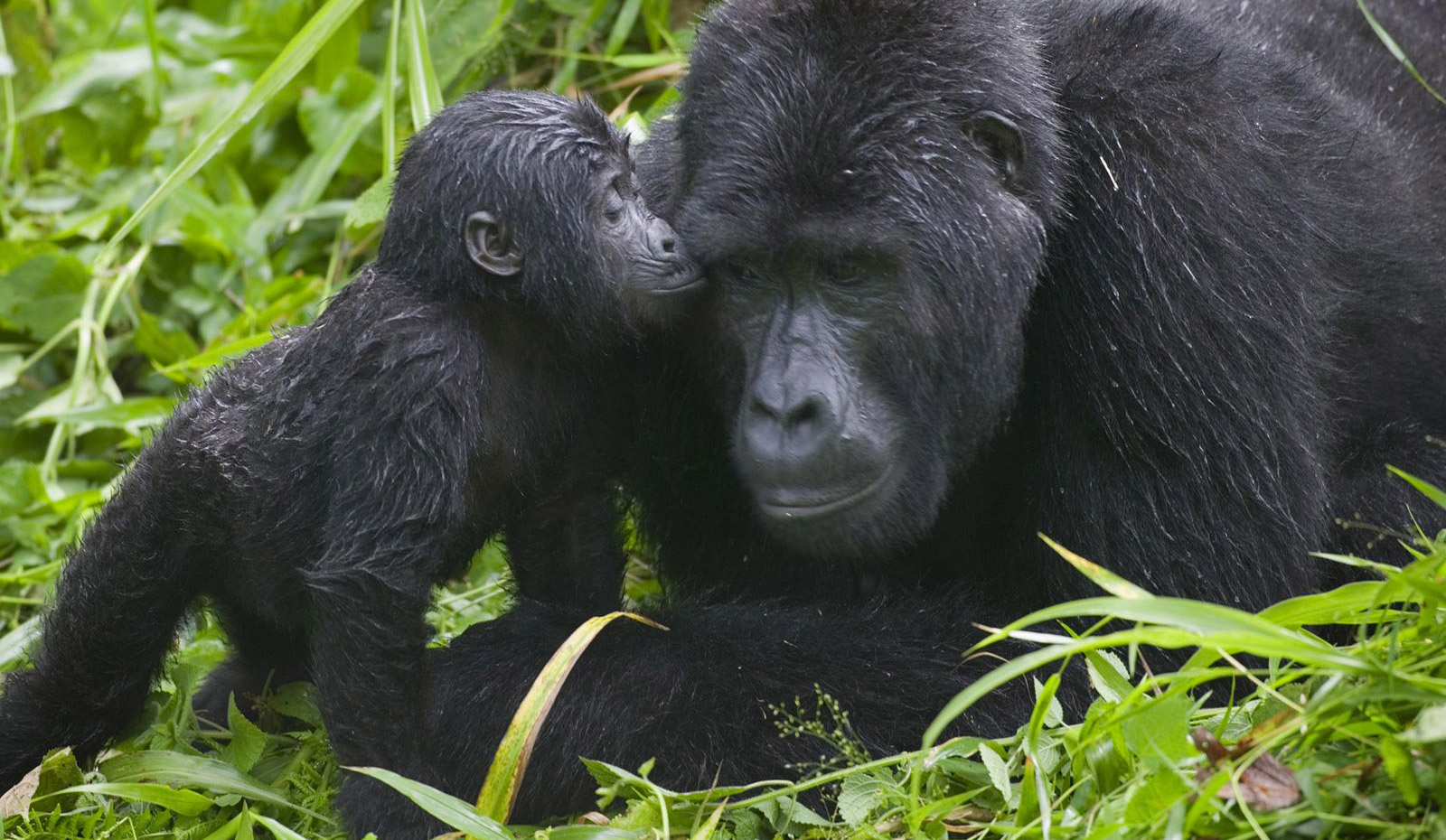
Combining Gorilla Trekking and Gorilla Habituation: The Ultimate Primate Experience
Gorilla trekking and gorilla habituation are two of the most sought-after wildlife experiences in Africa. While gorilla trekking allows visitors to observe fully habituated gorilla families in their natural habitat, gorilla habituation offers a more immersive experience by participating in the gradual process of familiarizing gorillas with human presence.
Combining both activities creates a unique adventure. Travelers not only witness gorilla behavior firsthand but also gain an understanding of conservation efforts, troop dynamics, and the patience required to habituate wild primates. This dual experience enhances both knowledge and appreciation for these intelligent, socially complex animals.
Understanding Gorilla Trekking
Gorilla trekking involves visiting established, fully habituated gorilla groups. These gorillas are accustomed to human presence, allowing visitors to observe feeding, nesting, grooming, and playful interactions safely. Typically, treks last between 2 to 6 hours depending on terrain and distance from the park entry points.
Trekking is physically engaging and rewarding. Trails vary from gentle forest paths to steep, muddy slopes, so preparation with proper hiking gear is essential. The highlight is spending about one hour in close proximity to the gorillas under the supervision of trained guides, making it a highly controlled but intimate wildlife encounter.
Understanding Gorilla Habituation
Gorilla habituation is the process of slowly getting gorilla groups accustomed to human observers. Unlike trekking, habituation can involve spending an entire day in the forest with the gorillas, observing them at closer range over multiple sessions.
Visitors participate in scientific observation. Habituation trips often include recording gorilla behavior, noting interactions between troop members, and sometimes assisting researchers in documenting troop movements. This provides a rare opportunity to experience the gorillas’ daily lives while contributing to conservation knowledge.
Benefits of Combining Trekking and Habituation
1. Enhanced Learning and Appreciation: Observing both habituated gorillas and the habituation process deepens understanding of gorilla behavior, social hierarchy, and daily routines. Travelers witness firsthand the patience, observation, and care required to safely bring gorillas closer to human observers.
2. Conservation Awareness: Combining both experiences highlights the importance of research and protection. Habituation is a tool used by conservationists to monitor gorilla health, population growth, and threats, while trekking revenues fund habitat protection and community programs.
3. Extended Wildlife Observation: Habituation allows longer time with gorillas, often exceeding four hours, compared to the one-hour limit during standard trekking. This extended observation provides unique photo opportunities and a chance to study gorilla interactions in detail.
4. Unique Photographic Opportunities: Trekking provides the classic close-up experience, while habituation sessions allow for more intimate and naturalistic shots without the pressure of time constraints. You can capture family interactions, infant play, and subtle behaviors rarely seen during regular trekking.
Planning a Combined Gorilla Safari
Select the right park and permits. Rwanda’s Volcanoes National Park and Uganda’s Bwindi Impenetrable Forest offer both trekking and habituation programs. Habituation permits are limited and more expensive than trekking permits due to the time and resources involved.
Consider physical and time requirements. Habituation often requires a full day in the forest and may include longer treks. Trekking is generally shorter and easier, though it can still be challenging depending on the terrain. Combining both requires adequate stamina, preparation, and scheduling to avoid fatigue.
Pack appropriate gear. Lightweight, breathable clothing, sturdy hiking boots, rain jackets, walking sticks, binoculars, snacks, and water are essential. A waterproof camera and lens protection help preserve photographic equipment in humid or wet conditions.
Respect gorilla rules and etiquette. Maintain distance as instructed, avoid direct eye contact that could be perceived as a threat, refrain from touching, and follow guide instructions strictly. Habituation participants must also avoid loud noises or sudden movements to prevent stress on gorillas.
Complementary Activities
Chimpanzee and golden monkey trekking can be added to the itinerary for a broader primate experience.
Bird watching and nature walks enhance appreciation for the forest ecosystem.
Cultural tours with local communities provide context for how human populations coexist with gorilla habitats, often linked to conservation funding and education.
Photography safaris allow for documenting both the habituation process and the behavior of fully habituated gorillas.
Conservation Impact
Combining trekking and habituation directly supports conservation. Fees from permits fund anti-poaching units, community projects, and habitat protection.
Habituation provides valuable scientific data. Researchers can track population growth, monitor health, and document behaviors that inform long-term protection strategies.
Ethical tourism ensures gorilla safety. Participation in both activities requires adherence to strict protocols, minimizing human impact while maximizing educational and conservation benefits.
Tips for a Successful Experience
Plan ahead for permits and logistics. Habituation permits are limited; early booking ensures access.
Stay physically prepared. Trekking and habituation may involve several hours of walking on steep or uneven terrain.
Carry essentials. Food, water, walking sticks, insect repellent, and rain gear are crucial.
Observe silently and patiently. Gorillas are sensitive to human presence; calm behavior enhances observation quality and reduces stress on the animals.
Combine with other safari activities. Include savannah game drives, eco-tours, and nature walks to create a well-rounded East African wildlife experience.
The combination of gorilla trekking and gorilla habituation is the ultimate primate adventure. It allows travelers to witness gorilla social life, understand conservation efforts, and actively participate in ethical wildlife observation. By combining both activities, visitors gain a comprehensive, immersive experience that is both educational and unforgettable, creating memories that last a lifetime while supporting the protection of one of Earth’s most remarkable species.