
Gorilla Safaris November: Late Season Value Guide
November is one of the most underrated months for gorilla safaris in Uganda, offering exceptional value, fewer crowds, and deeply immersive rainforest experiences. Falling within the short rainy season, this period transforms destinations like Bwindi Impenetrable National Park and Mgahinga Gorilla National Park into lush, vibrant ecosystems.
While rainfall is more frequent compared to the dry months, November rewards travelers with lower costs, increased availability, and quieter trekking conditions. For those who prioritize value, flexibility, and a more personal connection with nature, this late-season window presents an excellent opportunity to experience gorilla trekking without the pressure of peak-season demand.
Understanding November as a Late Season Opportunity
November sits toward the end of Uganda’s short rainy season, making it a transitional period before the festive high season begins in December. This positioning creates a unique travel advantage, where visitor numbers are low, yet trekking remains fully operational across all gorilla habitats.
Unlike peak months, when permits and lodges are heavily booked, November offers greater freedom in planning, allowing travelers to secure preferred dates, accommodations, and trekking sectors with relative ease. This flexibility makes it particularly appealing for spontaneous travelers or those seeking cost-effective safari options.
Trekking Conditions and Terrain
Gorilla trekking in November can be more physically demanding due to wet conditions, as trails are often muddy and vegetation is dense. However, the rainforest remains accessible, and experienced guides ensure safe navigation through the terrain.
In Bwindi Impenetrable National Park, all sectors-Buhoma, Rushaga, Ruhija, and Nkuringo-continue to operate, each offering unique trekking experiences. Buhoma remains relatively moderate, while Rushaga provides access to multiple gorilla families. Ruhija and Nkuringo present more challenging treks but reward visitors with stunning views and fewer crowds.
Mgahinga Gorilla National Park offers an alternative setting with volcanic terrain and bamboo forests. The rain enhances the beauty of this landscape, creating dramatic scenery and a quieter trekking environment.
Despite the challenges, many travelers find November trekking to be more adventurous and authentic, adding a sense of achievement to the experience.
Gorilla Encounters and Wildlife Activity
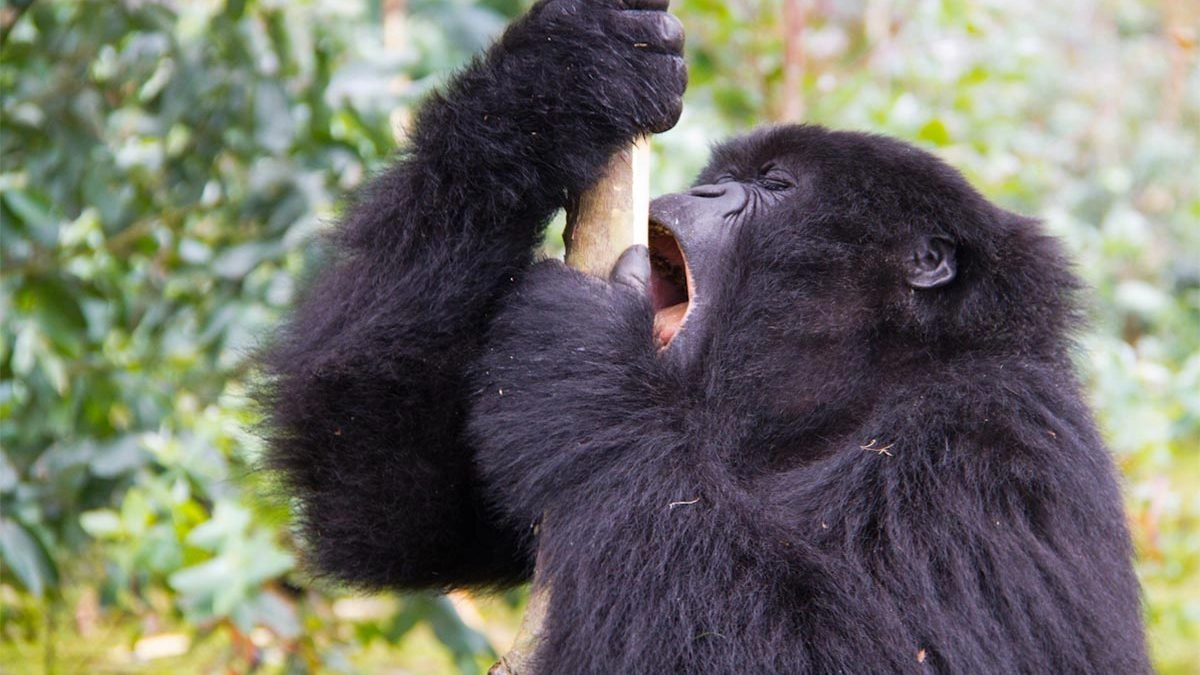
November remains an excellent month for observing mountain gorillas, as the abundance of fresh vegetation influences their feeding behavior and movement. With food readily available, gorilla families often stay within defined areas, which can sometimes result in shorter trekking times.
Visitors can witness a wide range of natural behaviors, including feeding, grooming, and social interaction. The dense, rain-refreshed forest creates a more intimate setting, enhancing the overall encounter.
Fewer visitors also mean less disturbance and quieter viewing conditions, allowing for a more personal and reflective experience with the gorillas.
Cost Advantages and Availability
One of November’s biggest strengths is its affordability, making it a top choice for value-conscious travelers. Accommodation rates are often lower compared to peak months, with many lodges offering seasonal discounts or special packages.
Gorilla permits, while fixed in price, are easier to secure due to reduced demand. This allows travelers to plan their safaris without the stress of limited availability.
The combination of lower accommodation costs and increased flexibility creates a high-value safari experience, particularly for those willing to embrace the rainy season.
Weather and Photography Experience
November’s weather is characterized by frequent but manageable rainfall, often occurring in short bursts rather than continuous downpours. Mornings may be clearer, with rains developing later in the day, allowing trekking activities to proceed.
For photographers, November offers unique advantages. The forest is at its greenest, with vibrant vegetation and dramatic lighting conditions created by clouds and mist. These elements produce rich, atmospheric images that differ significantly from the brighter, drier conditions of peak season.
While rain can pose challenges, it also enhances the visual depth and mood of the rainforest, making it a rewarding time for creative photography.
Accommodation and Safari Planning
Planning a November gorilla safari is relatively easy and flexible, thanks to lower demand. Travelers can choose from a wide range of lodges in Buhoma, Rushaga, Ruhija, and Nkuringo, often with better availability and pricing.
Access to trekking regions remains straightforward, with arrivals via Entebbe International Airport followed by road or domestic flight transfers. Staying close to the trekking starting point ensures convenience for early morning briefings.
Safari operators often design relaxed itineraries during this period, allowing visitors to enjoy a slower pace and deeper engagement with the environment.
Practical Tips for November Safaris
Preparation for November requires careful consideration of wet conditions, ensuring comfort and safety throughout the trek. Waterproof clothing, including a high-quality rain jacket, is essential. Sturdy hiking boots with strong grip help manage muddy and slippery trails.
Carrying waterproof bags or covers for electronics and personal items is highly recommended. Insect repellent is also important due to increased insect activity during the rainy season.
Hiring a porter is particularly beneficial in November, as they assist with carrying gear and navigating challenging terrain. A flexible attitude and readiness for changing weather conditions will greatly enhance the overall experience.
Conservation and Community Impact
Gorilla trekking in November continues to support conservation efforts, even during the low season. Permit fees contribute to protecting endangered mountain gorillas, funding research, and maintaining park infrastructure.
Local communities benefit from tourism through employment and business opportunities, ensuring that conservation remains sustainable year-round. Visiting during the late season helps maintain a steady flow of support for these initiatives.
Responsible tourism practices, including respecting wildlife guidelines and minimizing environmental impact, are essential for preserving these fragile ecosystems.
Why November Is a Value Sweet Spot
November stands out as a value-driven month for gorilla safaris, combining affordability, availability, and a unique rainforest experience. The quieter environment allows for more meaningful encounters, while the lush landscapes create a visually rich and immersive setting.
For travelers who prioritize cost savings, flexibility, and authenticity, November offers an excellent alternative to the crowded and expensive peak months.
November transforms gorilla trekking into a lush, intimate, and cost-effective adventure, where fewer crowds and vibrant landscapes enhance the overall experience. While the rainy conditions require preparation, they also add depth and uniqueness to the journey.
With the right mindset and planning, a gorilla safari in November delivers exceptional value, unforgettable wildlife encounters, and meaningful contributions to conservation, making it one of the smartest choices for exploring Uganda’s iconic gorilla habitats.