
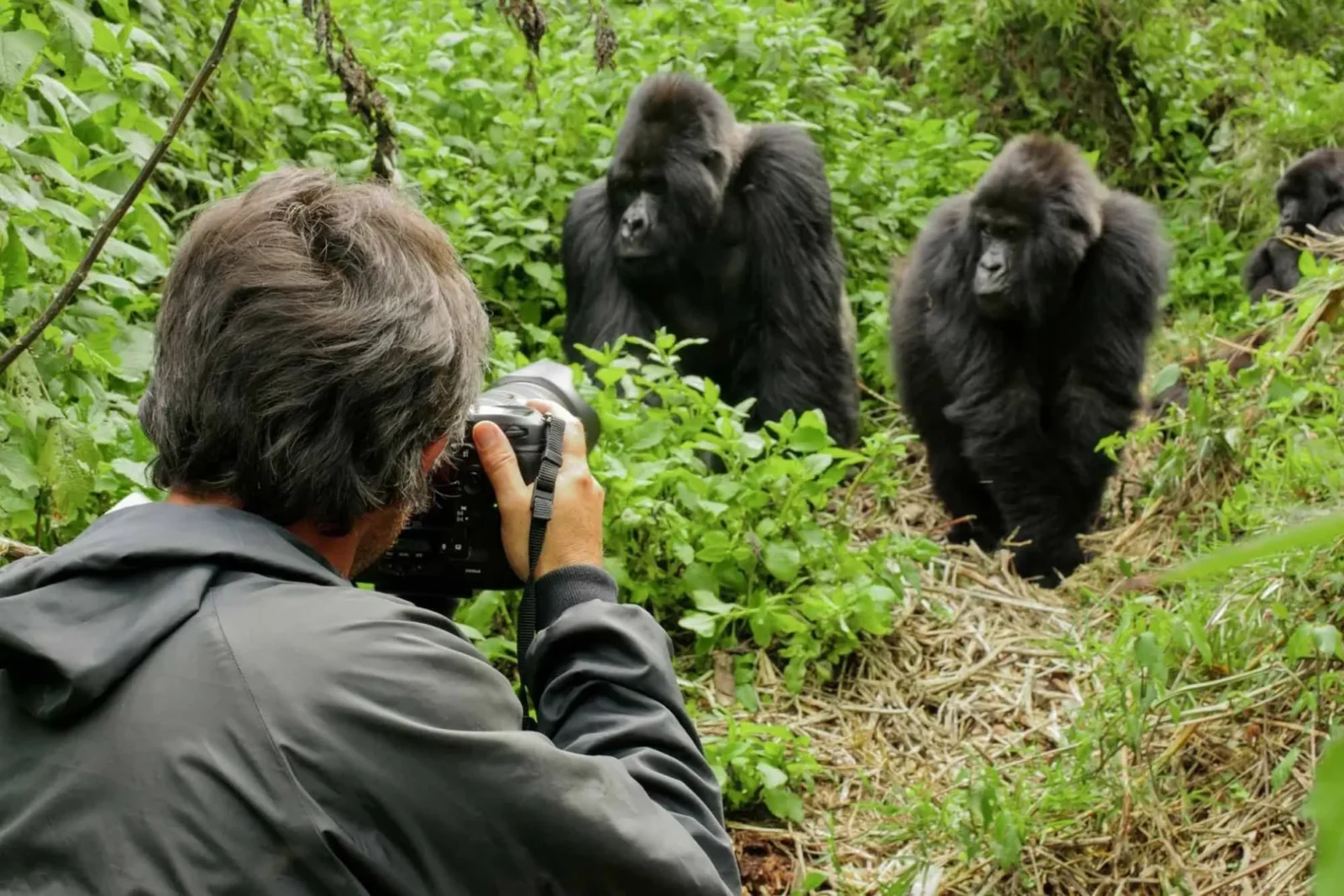
Gorilla Safaris Uganda in the Dry Season: Best Parks and Routes
Gorilla safaris in Uganda during the dry season offer the most favorable trekking conditions, clearer forest trails, and exceptional wildlife viewing opportunities across the country’s most iconic national parks. For travelers planning a gorilla trekking adventure, timing plays a critical role, and the dry months consistently provide the best balance of accessibility, comfort, and visibility in Uganda’s dense rainforest environments.
Uganda experiences two primary dry seasons, from June to September and December to February, which align perfectly with peak gorilla trekking conditions. During these periods, rainfall is minimal, trails are less muddy, and navigating steep forest terrain becomes significantly easier. These months also coincide with increased wildlife activity across savannah parks, making it an ideal time to combine gorilla trekking with classic safari experiences.
This comprehensive guide explores the best parks for gorilla trekking in Uganda during the dry season, along with the most efficient travel routes, safari combinations, and planning strategies. Whether you are a first-time visitor or a returning traveler, understanding how to structure your safari around the dry season ensures a smoother, more rewarding experience.
Why the Dry Season is Ideal for Gorilla Trekking
The dry season transforms Uganda’s dense forests into more accessible trekking environments, improving both safety and overall experience. Reduced rainfall means trails are firmer, less slippery, and easier to navigate, particularly in steep and mountainous regions where gorillas reside.
Visibility within the forest is also enhanced. Thinner vegetation and less moisture in the air make it easier to spot gorillas and observe their behavior, improving both photography opportunities and overall wildlife encounters.
Comfort is another major advantage. Lower humidity and fewer sudden downpours make trekking more manageable, especially for travelers unaccustomed to tropical conditions. This is particularly important for gorilla trekking, which can involve several hours of hiking through challenging terrain.
The dry season also aligns with peak safari conditions across Uganda. Wildlife in savannah parks congregates around water sources, increasing the chances of sightings and making it easier to combine gorilla trekking with game drives and boat safaris.
Best Gorilla Trekking Parks in the Dry Season
Bwindi Impenetrable National Park
Bwindi Impenetrable National Park is the premier destination for gorilla trekking in Uganda and performs exceptionally well during the dry season. The park is home to the majority of Uganda’s habituated gorilla families, spread across four main sectors: Buhoma, Ruhija, Rushaga, and Nkuringo.
During the dry season, Bwindi’s challenging terrain becomes more manageable. Trails that are typically muddy and slippery during rainy months become firmer, allowing trekkers to move more confidently and safely. This is particularly beneficial in sectors like Nkuringo, known for steep climbs and rugged landscapes.
Bwindi’s biodiversity is at its most visible during dry months. In addition to gorillas, visitors may encounter forest elephants, duikers, and a wide range of bird species, enhancing the overall trekking experience.
Accessibility is also improved. Roads leading to Bwindi, which can be difficult during heavy rains, are more reliable, making both self-drive and guided safaris easier to plan and execute.
Mgahinga Gorilla National Park
Mgahinga Gorilla National Park offers a more exclusive and scenic gorilla trekking experience, particularly during the dry season. Located within the Virunga Mountains, the park features volcanic landscapes, bamboo forests, and dramatic views that are best appreciated in clear, dry conditions.
Dry season trekking in Mgahinga is generally less strenuous than in Bwindi. The bamboo zones are more open, and trails are easier to navigate, making it an excellent choice for travelers seeking a slightly less demanding trek.
The park’s exclusivity is another advantage. With fewer visitors and a limited number of gorilla families, Mgahinga provides a more intimate and less crowded experience.
In addition to gorillas, Mgahinga offers golden monkey tracking and volcano hiking. These activities are particularly enjoyable during the dry season, when weather conditions are stable and views are unobstructed.
Best Routes to Reach Gorilla Trekking Parks
Road Route from Kampala or Entebbe
The most common route to southwestern Uganda begins in Kampala or Entebbe and travels through the country’s central and western regions. The journey typically takes 8 to 10 hours by road, passing through towns such as Mbarara and Kabale before reaching Bwindi or Mgahinga.
During the dry season, road conditions are significantly improved. Reduced rainfall means fewer muddy sections, better traction, and more predictable travel times. This makes self-drive safaris more feasible and comfortable.
The route offers scenic highlights along the way. Travelers pass rolling hills, tea plantations, and rural communities, providing a deeper understanding of Uganda’s landscapes and culture.
Domestic Flights to Southwestern Uganda
For travelers seeking efficiency, domestic flights offer the fastest route to gorilla trekking regions. Flights from Entebbe International Airport connect to airstrips such as Kihihi and Kisoro, reducing travel time to approximately one hour.
Dry season conditions enhance flight reliability. Clear skies and stable weather reduce the likelihood of delays, making flights a dependable option for tight itineraries.
Flying also allows for better itinerary planning. Travelers can arrive at their lodge on the same day and prepare for trekking without the fatigue of long road journeys.
Combining Gorilla Trekking with Other Parks
Queen Elizabeth National Park
Queen Elizabeth National Park is the perfect complement to gorilla trekking, offering classic savannah safari experiences. During the dry season, wildlife congregates around water sources, making it easier to spot elephants, lions, buffalo, and antelope.
Boat safaris along the Kazinga Channel are particularly rewarding. Large concentrations of hippos, crocodiles, and birdlife gather along the water’s edge, providing exceptional viewing opportunities.
The park’s proximity to Bwindi makes it easy to combine both destinations. This creates a well-rounded safari experience that includes both rainforest and savannah ecosystems.
Kibale National Park
Kibale National Park is renowned for chimpanzee tracking and is best visited during the dry season. Forest trails are more accessible, and primate sightings are frequent, making it a valuable addition to a gorilla safari itinerary.
Chimpanzee tracking offers a contrasting primate experience. Unlike gorillas, chimpanzees are more active and vocal, providing dynamic and engaging encounters.
Combining Kibale with Bwindi or Mgahinga creates a comprehensive primate-focused safari. This combination is particularly appealing to wildlife enthusiasts and researchers.
Advantages of Dry Season Gorilla Safaris
Improved trekking conditions make the dry season the most comfortable time for gorilla safaris. Reduced mud and stable trails enhance safety and reduce physical strain.
Wildlife visibility is significantly enhanced. Both forest and savannah species are easier to spot, improving the overall safari experience.
Travel logistics are more predictable. Roads, flights, and park operations are less affected by weather disruptions, ensuring smoother itineraries.
Photography conditions are optimal. Better lighting, clearer skies, and reduced vegetation density create ideal conditions for capturing wildlife and landscapes.
Challenges of the Dry Season
The dry season is also the peak tourist period. Increased demand means gorilla permits, accommodation, and flights can sell out quickly. Early booking is essential to secure preferred dates and locations.
Prices may be higher. Peak season rates for lodges and safari packages reflect increased demand, requiring careful budgeting.
Popular trekking sectors can be busier. While group sizes are limited, the overall number of visitors in the park is higher compared to rainy seasons.
Practical Planning Tips
Book gorilla permits well in advance. Demand is highest during dry months, and availability is limited.
Choose accommodation close to your trekking sector. This reduces travel time on trekking day and enhances convenience.
Pack appropriately for dry but variable conditions. Lightweight clothing, sturdy hiking boots, and rain gear are still necessary due to occasional showers.
Plan a balanced itinerary. Combining gorilla trekking with other parks maximizes your experience and justifies travel time and cost.
Gorilla safaris in Uganda during the dry season offer the best combination of accessibility, comfort, and wildlife viewing, making it the ideal time for this once-in-a-lifetime experience. From the dense forests of Bwindi to the volcanic landscapes of Mgahinga, the country’s gorilla trekking destinations are at their most rewarding during these months.
By selecting the right parks, planning efficient routes, and booking early, travelers can enjoy a seamless and unforgettable safari adventure. The dry season not only enhances trekking conditions but also opens opportunities to explore Uganda’s diverse ecosystems, creating a truly comprehensive wildlife journey