
Gorilla Safaris Virunga National Park: Complete Visitor Guide
A gorilla safari in the eastern Democratic Republic of the Congo is one of the most intense and rewarding wildlife experiences in Africa. It is not just a trek into a rainforest; it is a journey into one of the world’s most important conservation landscapes, where survival, protection, and tourism intersect in a very real way. At the center of this experience is Virunga National Park, a vast protected area stretching from volcanic highlands to dense equatorial forest.
This guide provides a complete, practical overview of gorilla trekking in Virunga, including what to expect, how permits work, safety realities, travel logistics, costs, and the overall experience from arrival to encounter.
Understanding Virunga National Park
Virunga National Park is Africa’s oldest national park and one of the most biologically diverse protected areas on the continent. It lies in the eastern part of the DRC along the borders with Rwanda and Uganda, covering volcanoes, lakes, savannah, and rainforest ecosystems.
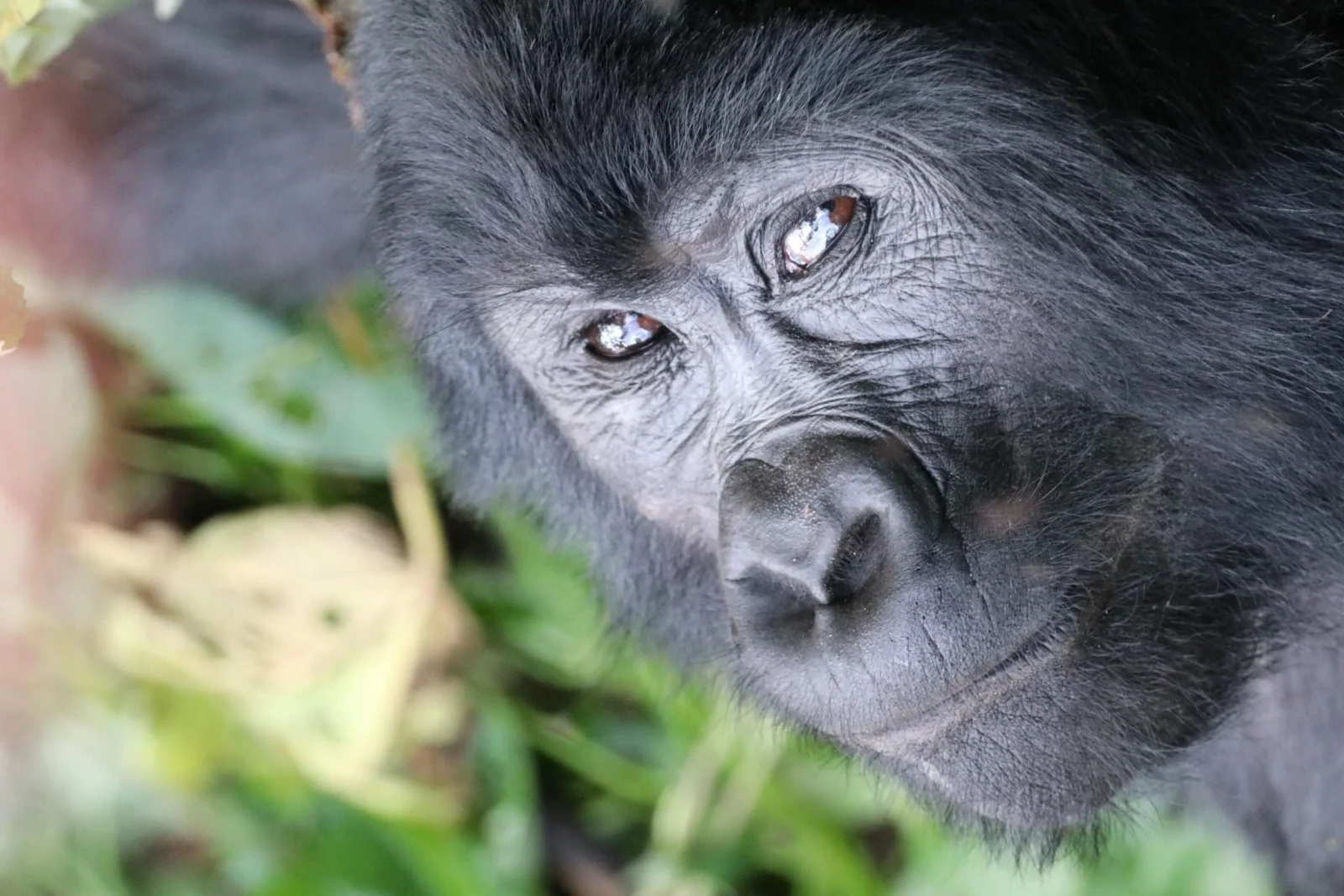
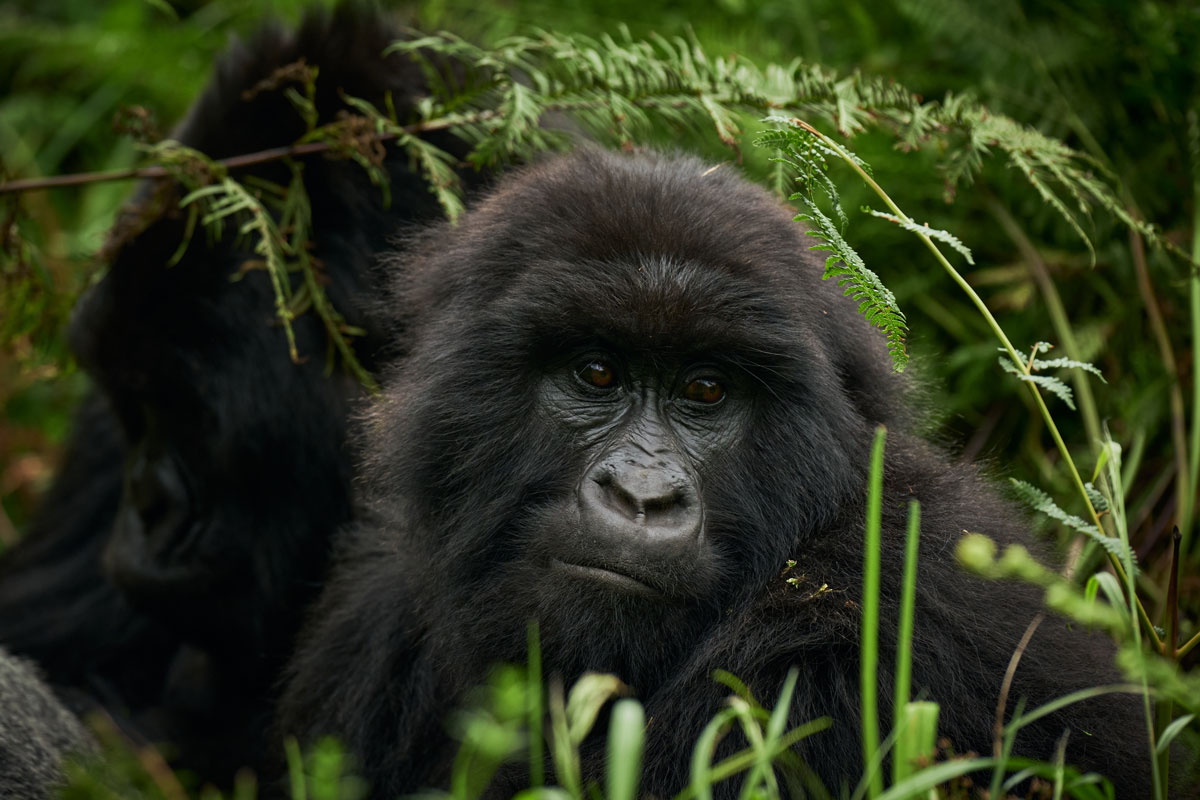
What makes Virunga globally significant is its population of mountain gorillas, which are critically endangered and found only in a small region of the Albertine Rift. The park is also home to elephants, chimpanzees, hippos, and active volcanoes such as Nyiragongo.
Unlike many safari destinations, Virunga is not built around mass tourism. Instead, it is a conservation-first park where tourism is carefully controlled and directly linked to funding ranger operations and wildlife protection.
The Gorilla Trekking Experience
Gorilla trekking in Virunga begins early in the morning at park headquarters. Visitors are assigned to habituated gorilla families based on fitness level and group allocation. Before entering the forest, rangers provide a detailed briefing covering safety rules, behavior expectations, and trekking conditions.
The trek itself takes place in dense rainforest terrain. The landscape is humid, steep in sections, and often muddy depending on the season. Porters are usually available and strongly recommended, especially for carrying equipment and easing movement through difficult terrain.
The duration of the trek is unpredictable. Some groups may find gorillas within an hour, while others may trek for several hours depending on the location of the family that day.
Once the gorillas are located, visitors are allowed to spend a strictly limited time-usually around one hour-observing them in their natural environment. This encounter is quiet, controlled, and deeply emotional.
You may witness grooming behavior, playful juveniles, feeding, or the calm presence of a dominant silverback. The experience is designed to minimize disturbance while allowing close, respectful observation.
Permit System and Booking Process
Access to gorilla trekking in Virunga National Park requires an official permit issued by park authorities.
Permits are limited and managed to reduce environmental impact and ensure safety. Unlike some other destinations, availability can change frequently depending on conservation conditions and security assessments.
Booking is typically done through authorized operators or directly through Virunga’s official conservation channels. Early booking is essential, especially during peak trekking periods.
The permit fee contributes directly to conservation work, including ranger salaries, anti-poaching operations, community development, and habitat protection.
Safety Conditions and Realities on the Ground
Safety is one of the most important considerations when planning a visit to Virunga. The park operates in a complex regional environment where conditions can change quickly.
Trekking areas within the park are generally secured by armed ranger units who accompany visitors throughout the experience. These rangers are highly trained and are part of a long-standing conservation protection system.
However, the surrounding region of eastern DRC has experienced periods of instability over time. Because of this, park authorities constantly monitor security conditions and may temporarily suspend tourism activities if necessary.
Visitors should understand that Virunga is not a conventional safari destination. It is a controlled conservation zone operating within a broader landscape that requires careful management.
Best Time to Visit Virunga
Gorilla trekking in Virunga is possible year-round, but conditions vary depending on rainfall patterns.
The drier periods are generally preferred because trails are easier to navigate, visibility in the forest is improved, and trekking conditions are less physically demanding. During wetter months, the forest becomes more challenging, with slippery paths and heavier vegetation growth.
However, rain in Virunga is part of the natural rainforest experience, and even wet conditions do not prevent trekking. They simply require better preparation and appropriate gear.
What to Pack for Gorilla Trekking
Preparation is essential for a successful trek in Virunga National Park. The environment is humid, unpredictable, and physically demanding.
Travelers should prioritize lightweight but protective clothing that covers arms and legs to protect against insects and vegetation. Waterproof layers are important due to frequent rainfall. Sturdy hiking boots with strong grip are essential for muddy and uneven terrain.
Gloves can be helpful when navigating dense vegetation, and a small backpack is ideal for carrying water, snacks, and personal items. A good camera is recommended, but flash photography is not allowed during gorilla encounters.
Porters are highly recommended not only for carrying luggage but also as a form of community support, as their employment is directly linked to local tourism benefits.
Physical Fitness Requirements
Gorilla trekking in Virunga does not require technical climbing skills, but a reasonable level of fitness is important. The terrain can involve long uphill sections, slippery paths, and thick vegetation.
Trekkers should be comfortable walking for several hours at a moderate pace. Rangers typically adjust group assignments based on fitness levels, ensuring that more accessible gorilla families are assigned to those with limited endurance.
The reward at the end of the trek makes the physical effort worthwhile, as encounters with gorillas are among the most powerful wildlife experiences on Earth.
Accommodation Options
Accommodation around Virunga National Park is limited but focused on eco-luxury and conservation-based lodges. These properties are designed to provide comfort while supporting the park’s conservation mission.
Lodges often feature panoramic views of volcanic landscapes, forest surroundings, and proximity to trekking starting points. Many include full-board services, guided experiences, and direct coordination with park authorities for trekking schedules.
Because tourism infrastructure is not as extensive as in neighboring countries, availability is limited, and advance booking is essential.
Cultural and Conservation Context
A visit to Virunga is not only about wildlife. It is also about understanding the role of conservation in one of the most complex environments in Africa.
Tourism revenue directly supports ranger operations who protect gorillas from poaching and habitat loss. Local communities are also involved through employment and development programs.
Visitors often gain a deeper appreciation of how fragile conservation systems operate under real-world pressures. This makes the experience emotionally meaningful beyond just wildlife viewing.
Comparing Virunga to Other Gorilla Destinations
When compared to Rwanda and Uganda, Virunga stands out for its rawness and exclusivity.
It is less commercialized and more adventurous than Volcanoes National Park, and more unpredictable in terms of logistics. However, it offers a uniquely powerful sense of wilderness and conservation immersion.
For many experienced travelers, Virunga represents the most authentic gorilla trekking experience in Africa, though it requires greater flexibility and risk awareness.
A gorilla safari in Virunga National Park is one of the most remarkable wildlife experiences on the planet. It combines rare wildlife encounters with active conservation efforts in one of Africa’s most dynamic landscapes.
However, it is not a casual tourism destination. It requires careful planning, respect for local conditions, and a willingness to adapt to changing circumstances.
For those who choose to go, the reward is unforgettable: a silent hour in the presence of mountain gorillas in one of the last true wildernesses of Africa, an experience that stays with travelers for a lifetime.