Eastern Lowland Gorilla Safaris Kahuzi-Biega: Africa’s Rarest Trek
Eastern lowland gorilla trekking is one of the least-known but most extraordinary wildlife experiences in Africa. Unlike the more famous mountain gorilla encounters in Rwanda, Uganda, or Virunga, this trek takes place in a vast, humid rainforest where the gorillas are larger, rarer, and far less frequently visited by tourists. The only reliable destination for this experience is Kahuzi-Biega National Park, located in the eastern Democratic Republic of the Congo near the shores of Lake Kivu.
This is not a typical safari. It is a deep forest expedition into one of Africa’s most biologically rich and least-commercialized ecosystems, where tourism is limited, infrastructure is minimal, and wildlife encounters feel profoundly untouched by human presence.
Understanding Eastern Lowland Gorillas
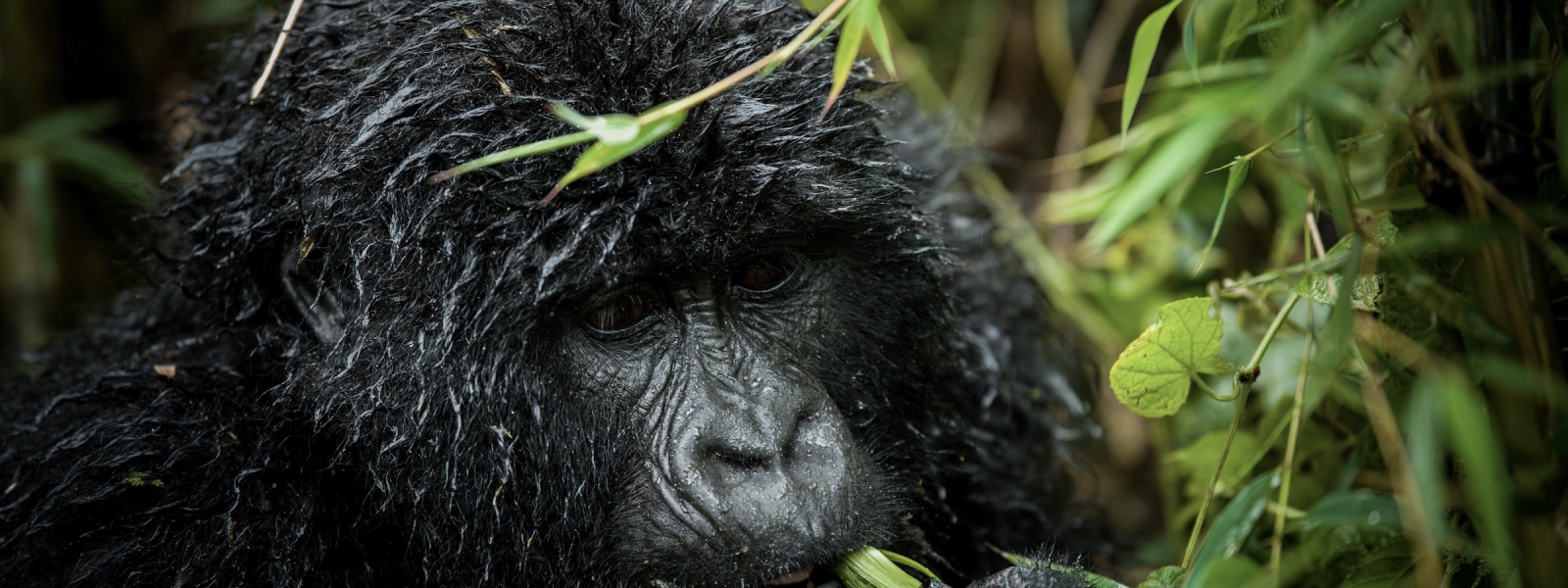
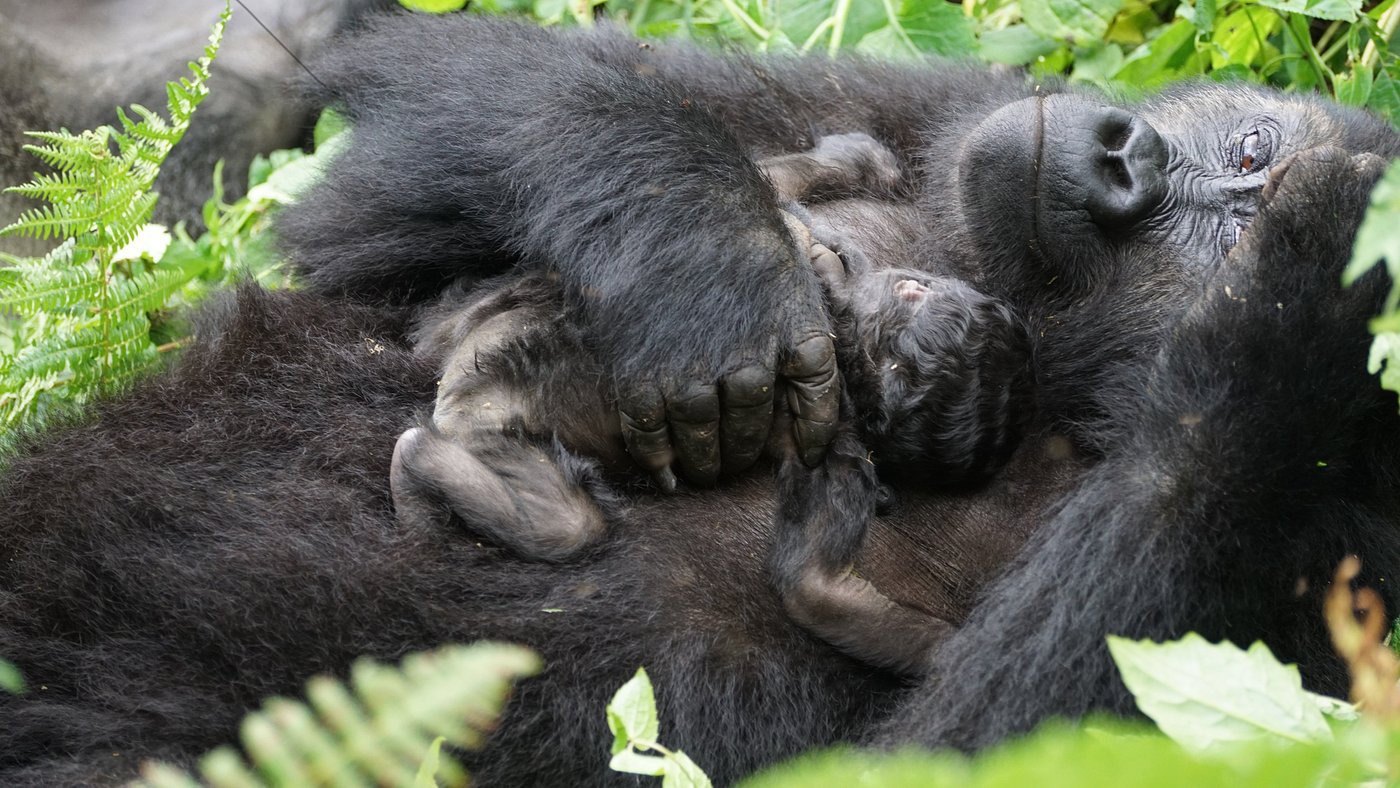
Eastern lowland gorillas, also known as Grauer’s gorillas, are the largest of all gorilla subspecies. They are more heavily built than mountain gorillas, with broader chests, larger hands, and a more robust physical structure. Despite their size, they are gentle herbivores that live in social groups led by a dominant silverback.
Unlike mountain gorillas that inhabit high-altitude volcanic slopes, eastern lowland gorillas are adapted to lowland tropical rainforests. Their range is now extremely restricted, and populations have declined significantly due to habitat loss, illegal mining, and past instability in the region.
This makes trekking in Kahuzi-Biega National Park not just a wildlife experience but also a rare opportunity to observe one of the most endangered great ape populations in the world.
The Setting: Kahuzi-Biega National Park
Kahuzi-Biega National Park is a UNESCO World Heritage Site located in the eastern Democratic Republic of the Congo. The park spans both lowland rainforest and mountainous terrain, but eastern lowland gorillas are primarily found in the lowland sector.
The forest is dense, humid, and structurally complex, with towering trees, thick undergrowth, and a constant soundscape of birds, insects, and distant primates. Unlike the volcanic landscapes of gorilla trekking in Rwanda or Uganda, this environment feels deeper, wilder, and less shaped by tourism infrastructure.
Access to the park is usually through the city of Bukavu, which sits on the southern edge of Lake Kivu and serves as the main gateway for visitors.
What Makes This Trek Africa’s Rarest Experience
Eastern lowland gorilla trekking is considered rare for several reasons.
First, the population size is significantly smaller compared to mountain gorillas, and the animals are more widely dispersed across dense forest. This reduces the number of habituated groups available for tourism.
Second, tourism infrastructure is extremely limited. Visitor numbers are strictly controlled, and trekking permits are far fewer than in other gorilla destinations.
Third, the experience itself is less commercialized. There are no large lodges or high-volume safari circuits. Instead, tourism operates at a small scale, often coordinated directly through park authorities and conservation programs.
This combination of scarcity, remoteness, and ecological importance is what makes the experience so unique.
The Trekking Experience
A typical trek in Kahuzi-Biega National Park begins early in the morning at park headquarters, where visitors meet rangers and guides for a detailed briefing. Groups are kept small to minimize environmental impact and ensure a controlled experience.
Unlike mountain gorilla trekking, where elevation plays a major role, eastern lowland gorilla trekking involves moving through thick, flat rainforest. The challenge is not steepness but density. Vegetation can be extremely thick, and visibility is often limited to short distances.
Treks can vary in duration depending on where the gorilla family is located. Some encounters may take a couple of hours, while others can require longer hikes through dense forest corridors.
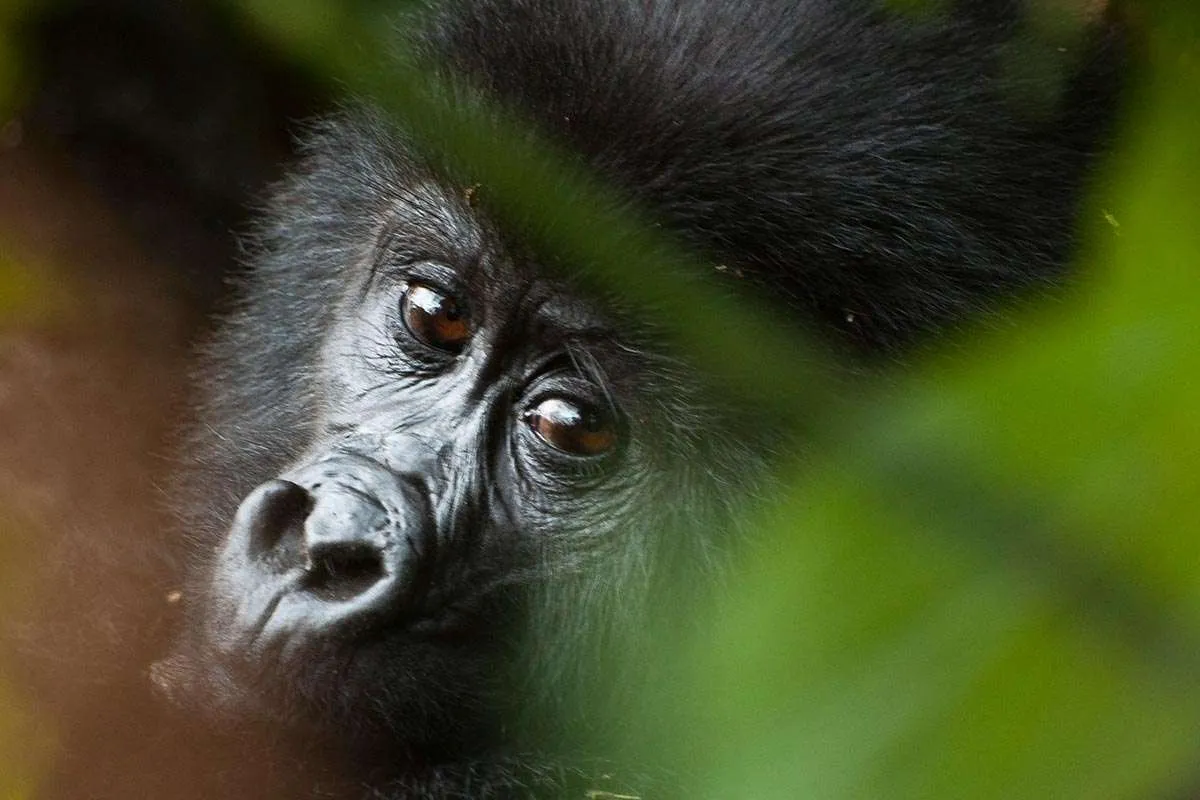
Once the gorillas are found, visitors are allowed a strictly limited observation period. During this time, you may witness feeding behavior, grooming interactions, and the relaxed social structure of the group.
The size of eastern lowland gorillas becomes immediately apparent in close range. Silverbacks are massive yet calm, and family groups often move slowly through the vegetation, feeding continuously as they go.
Eastern Lowland Gorilla Safaris Kahuzi-Biega
Permit System and Conservation Role
Access to gorilla trekking in Kahuzi-Biega National Park requires an official permit issued by park authorities.
Because tourism is low-volume, permits are limited and highly regulated. This is intentional, as the park prioritizes conservation over mass tourism development.
Revenue from permits directly supports conservation activities, including ranger patrols, anti-poaching efforts, and community engagement programs. Given the fragile status of eastern lowland gorillas, tourism plays a critical role in funding long-term protection efforts.
Booking typically needs to be done in advance through approved operators or conservation channels, as last-minute availability is rare.
Safety Considerations for Travelers
Safety is an important factor when considering travel to Kahuzi-Biega National Park. While trekking areas themselves are usually controlled by park authorities and ranger teams, the broader eastern DRC region has experienced periods of instability over time.
Because of this, access to the park is carefully managed, and tourism operations may be adjusted depending on current conditions. Visitors are typically required to travel with experienced guides and follow strict park protocols.
As with other remote conservation areas in the region, conditions can change, and flexibility is essential when planning a visit.
Best Time to Visit
The park can technically be visited year-round, but conditions vary with rainfall.
During drier periods, trails are more manageable and forest movement is slightly easier. In wetter months, the rainforest becomes heavier, more humid, and more challenging to navigate.
However, because this is a rainforest environment, some level of moisture is always present. Even during the so-called dry season, conditions can change quickly.
Physical Demands of the Trek
Eastern lowland gorilla trekking is moderately to highly demanding depending on gorilla movement patterns.
The terrain is not mountainous, but thick vegetation and uneven ground require stamina and patience. Visibility is limited, so progress can feel slow compared to open savannah trekking experiences.
Visitors should be comfortable walking for extended periods in humid forest conditions. Good footwear, long clothing, and physical preparedness significantly improve the experience.
Despite the effort involved, the encounter itself is widely considered one of the most rewarding wildlife experiences in Africa.
Accommodation and Logistics
Accommodation options around Kahuzi-Biega National Park are limited compared to more developed safari regions. Most visitors stay in Bukavu, which offers a small selection of hotels and guesthouses.
Some eco-lodges and community-based accommodations exist, but overall infrastructure remains modest. This reinforces the remote and conservation-focused nature of the destination.
Travel logistics typically involve crossing from neighboring countries such as Rwanda, particularly via Lake Kivu, before continuing to Bukavu.
Eastern Lowland Gorilla Safaris Kahuzi-Biega
Comparing Eastern Lowland Gorillas to Mountain Gorillas
While both species are part of the gorilla family, the experiences are quite different.
Mountain gorillas are found in higher elevations and are more widely habituated for tourism. Eastern lowland gorillas, on the other hand, are larger, rarer, and inhabit dense lowland rainforest.
Encounters in Kahuzi-Biega feel less predictable and more exploratory, whereas mountain gorilla trekking is more structured and frequently visited.
For many wildlife enthusiasts, eastern lowland gorilla trekking represents a more “wild” and less commercialized experience.
Final Thoughts
A gorilla safari in Kahuzi-Biega National Park is one of Africa’s most exclusive wildlife experiences. It offers a rare opportunity to see the largest gorilla subspecies in one of the continent’s least disturbed rainforest ecosystems.
However, it is also a destination that requires careful planning, awareness of regional conditions, and flexibility in logistics. It is not designed for mass tourism but for travelers seeking something genuinely rare and deeply immersive.
For those who make the journey, the reward is extraordinary: a quiet encounter in a vast rainforest with one of humanity’s closest relatives, living freely in a world that feels untouched and ancient.