
Gorilla Safari Permits Uganda 2026: Price, Booking and Rules
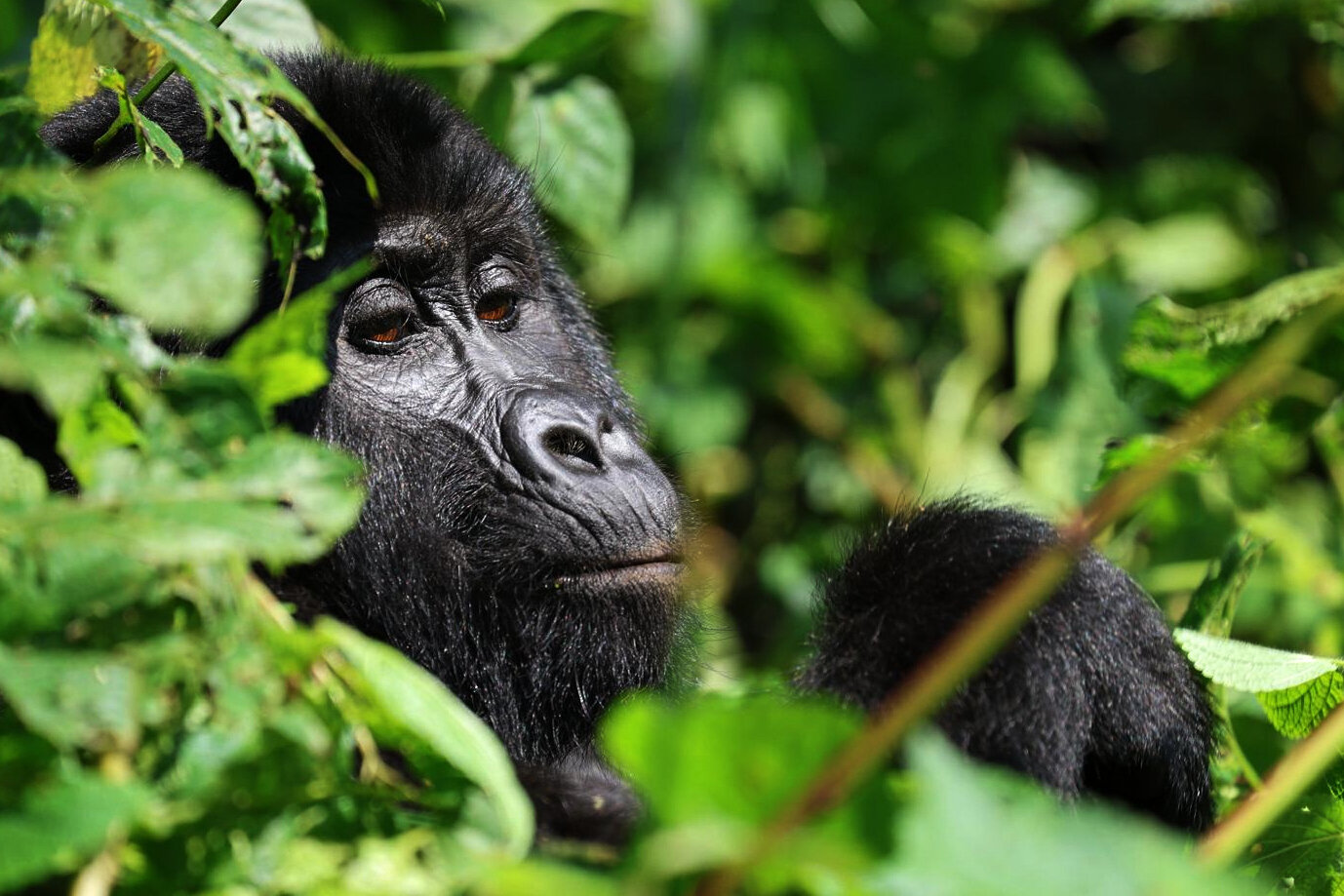
Gorilla trekking in Uganda remains one of the most powerful wildlife experiences in Africa. It takes travelers deep into ancient rainforest ecosystems in search of mountain gorillas living freely in their natural habitat. The entire experience is regulated through an official permit system, which is mandatory for anyone planning to join a trek in either Bwindi Impenetrable National Park or Mgahinga Gorilla National Park. For 2026, Uganda’s gorilla permit system remains structured, highly controlled, and focused on conservation, safety, and sustainable tourism.
What a Gorilla Permit Means
A gorilla permit is an official document issued by the Uganda Wildlife Authority that allows a visitor to join a guided trek to observe a habituated gorilla family. Without this permit, entry into gorilla trekking zones is not permitted under any circumstances.
The permit is not just entry access-it is part of a conservation system that limits human impact on gorillas while funding protection programs, ranger operations, and community development around protected areas. Each permit is tied to a specific date, a specific park, and an assigned gorilla group.
Gorilla Permit Prices for 2026
Uganda applies a tiered pricing system depending on residency and nationality. These rates are designed to balance conservation funding with accessibility for regional and international travelers.
Standard Gorilla Trekking Permit (1-hour encounter)
- Foreign non-residents: USD 800 per person
- Foreign residents: USD 700 per person
- African citizens (non-EAC): USD 500 per person
- East African Community citizens: approximately UGX 300,000 per person
This permit grants you one hour with a habituated gorilla family once they are located by the tracking team.
Gorilla Habituation Experience Permit
This is a more exclusive option where visitors spend extended time with a gorilla group that is still undergoing habituation to human presence.
- Foreign non-residents: USD 1,800
- Foreign residents: USD 1,600
- African citizens: USD 1,000
- East African Community citizens: approximately UGX 750,000
This experience can last up to four hours and is designed for travelers who want a deeper understanding of gorilla behavior and conservation work.
What the Permit Includes
A Uganda gorilla permit covers several essential services that ensure both safety and conservation compliance:
- Entry into the national park
- Pre-trek briefing by professional rangers
- Services of an experienced wildlife guide
- Armed ranger escort during the trek
- Allocation to a specific habituated gorilla family
The permit does not include accommodation, transport, meals, porter services, or tips. These are arranged separately depending on the traveler’s itinerary and level of comfort.
Booking a Gorilla Permit in Uganda
Gorilla permits are limited and distributed carefully to avoid overcrowding in gorilla habitats. Each gorilla family is visited by a maximum of eight visitors per day.
Because of this strict limitation, early booking is essential.
Recommended Booking Timeline
Most travelers book their permits between three to six months in advance. During peak seasons, permits may sell out even earlier, especially for Bwindi Impenetrable National Park, which has the highest demand.
How to Book
There are two main ways to secure a permit:
- Through the Uganda Wildlife Authority directly
- Through a licensed tour operator who handles all logistics on behalf of the traveler
Most international visitors prefer booking through tour operators because it simplifies the process, especially when combining permits with transport, accommodation, and safari planning.
Rules for Gorilla Trekking in Uganda
Gorilla trekking is strictly regulated to protect both visitors and gorillas. These rules are enforced by trained rangers and must be followed at all times.
Age Requirement
Only visitors aged 15 years and above are allowed to participate in gorilla trekking.
Group Size Limit
Each gorilla family is visited by a maximum of eight trekkers per day to minimize disturbance.
Health Regulations
Visitors must be in good health. Anyone showing symptoms of contagious illness may be denied access to protect gorillas from human diseases.
Distance Rule
Trekkers must maintain a safe distance of about 7 meters from the gorillas whenever possible. This reduces stress and prevents disease transmission.
Time Limit
Once the gorillas are located, visitors are allowed a maximum of one hour in their presence.
Behavior Guidelines
- No loud talking or sudden movements
- No direct eye contact for prolonged periods with dominant silverbacks
- No feeding or touching the gorillas
- Flash photography is not allowed
The Trekking Experience
The actual trekking experience varies depending on the location of the gorilla family on the day of your visit. Some treks may take one to two hours, while others can take much longer depending on terrain and movement patterns.
Bwindi Impenetrable National Park is known for its dense vegetation and steep terrain, making the trek physically demanding but highly rewarding. Mgahinga Gorilla National Park offers slightly more open landscapes but still requires a good level of fitness.
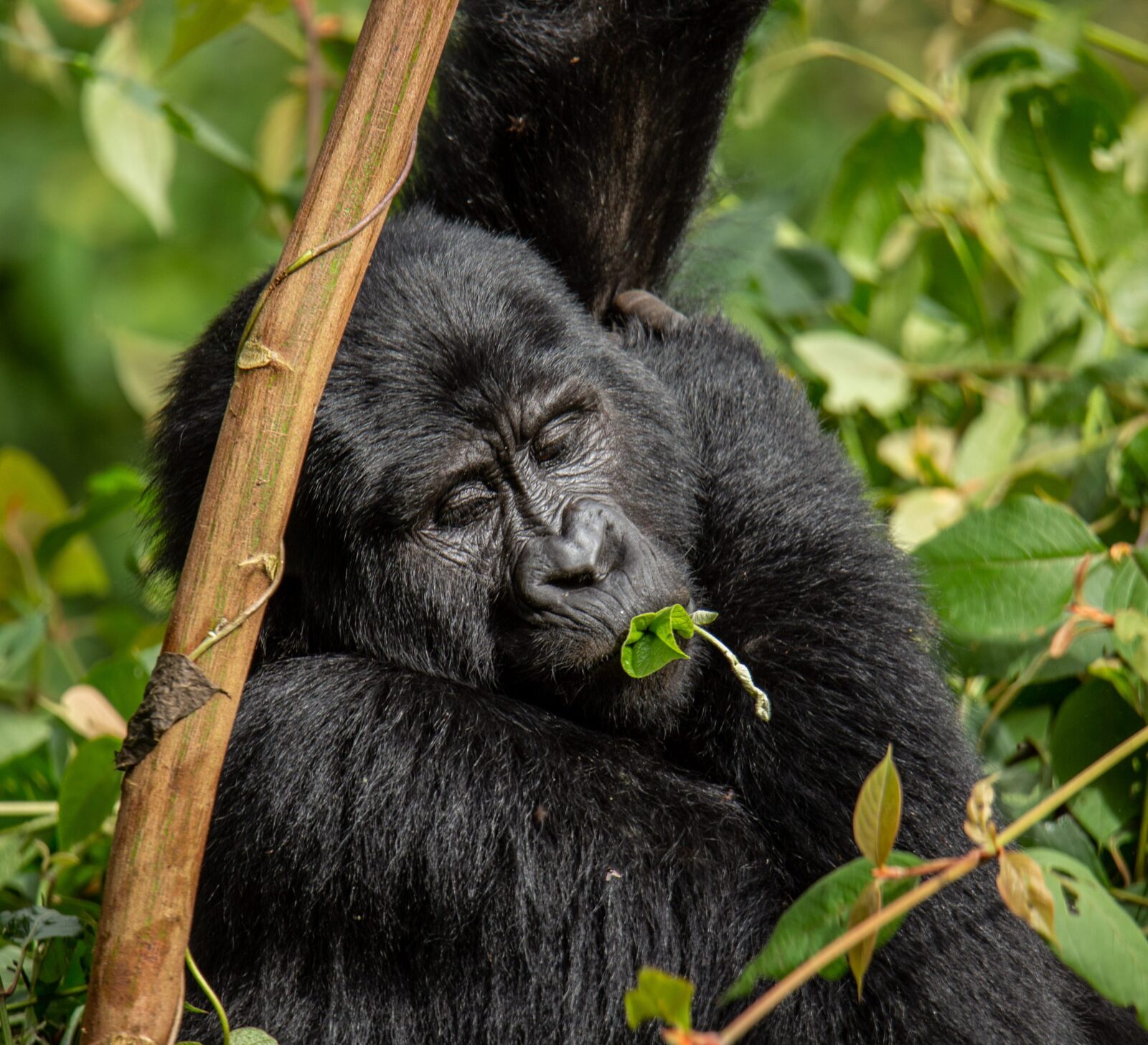
Once the gorillas are found, the experience becomes deeply immersive. You may observe silverbacks resting quietly, juveniles playing in trees, or mothers caring for infants in close family groups. Despite their size and strength, gorillas are generally calm and peaceful when unthreatened.
Why Permits Are Limited
The strict permit system exists for a reason. Mountain gorillas are an endangered species, and limiting human contact is essential for their survival. Controlled tourism ensures:
- Minimal disturbance to gorilla behavior
- Reduced risk of disease transmission
- Sustainable funding for conservation
- Protection of forest ecosystems
This careful balance is one of the reasons Uganda has become a global model for responsible wildlife tourism.
Best Time to Use Your Permit
Gorilla trekking in Uganda is available year-round, but conditions vary:
- Dry seasons (June to September and December to February): Easier trekking conditions and better trail access
- Wet seasons (March to May and October to November): More challenging terrain but fewer crowds and lush scenery
Permits are valid only for the specific date assigned, so planning around weather conditions is important.
A Uganda gorilla safari permit for 2026 is more than just an entry pass-it is your gateway into one of the most carefully protected wildlife experiences on Earth. From the structured pricing system to strict conservation rules, every aspect of the permit is designed to protect gorillas while offering visitors a rare and unforgettable encounter.
Whether you choose a standard trek or a more immersive habituation experience, securing your permit early and understanding the rules will ensure your journey into Uganda’s rainforests is smooth, responsible, and truly unforgettable.