
What Happens to Your Gorilla Safari Permit If You Get Sick?
A gorilla trekking permit is one of the most valuable and tightly controlled wildlife permits in the world, especially in destinations like Volcanoes National Park and Bwindi Impenetrable National Park. Because permits are limited, non-transferable in most cases, and booked well in advance, many travelers worry about an important scenario: what happens if you fall sick before your trek?
Illness is one of the most common last-minute disruptions for safari travelers. Whether it is flu, stomach illness, altitude-related fatigue, or unexpected medical issues, your ability to trek safely always comes first. However, the handling of your permit depends on strict policies set by wildlife authorities in each country.
Understanding the Nature of Gorilla Permits
Gorilla permits are issued by government conservation bodies, including the Rwanda Development Board in Rwanda and the Uganda Wildlife Authority in Uganda.
These permits:
- Are date-specific
- Are assigned to a specific park sector and gorilla family
- Are non-transferable
- Are limited in number per day
- Must be used by the named traveler
Because of this structure, a missed trek due to illness is treated very differently from a normal tour cancellation.
If You Get Sick Before Your Trek
If you fall ill before your scheduled trek in Rwanda or Uganda, your options depend on timing and the policy of the issuing authority.
1. Cancellation Rules Are Strict
In most cases, gorilla permits are:
- Non-refundable
- Non-transferable
- Not easily rescheduled
This means that if you are sick shortly before your trek, you may not automatically receive a refund.
However, there are exceptions in specific circumstances.
2. Medical Grounds May Be Considered
If illness is serious and properly documented (for example, hospital admission or certified medical proof), the authorities may allow:
- Partial refunds (in some cases)
- Rescheduling to a later date (subject to availability)
- Credit for future use (rare and case-dependent)
Approval is not guaranteed and is handled case by case by the relevant authority, such as the Rwanda Development Board.
If You Become Sick on the Day of the Trek
If you wake up sick on the morning of your trek in Volcanoes National Park or Bwindi Impenetrable National Park, the situation becomes more complicated.
Park rules are strict because gorilla health is extremely sensitive to human illness.
You will be denied entry if you show symptoms such as:
- Flu or coughing
- Fever
- Contagious infections
- Severe stomach illness
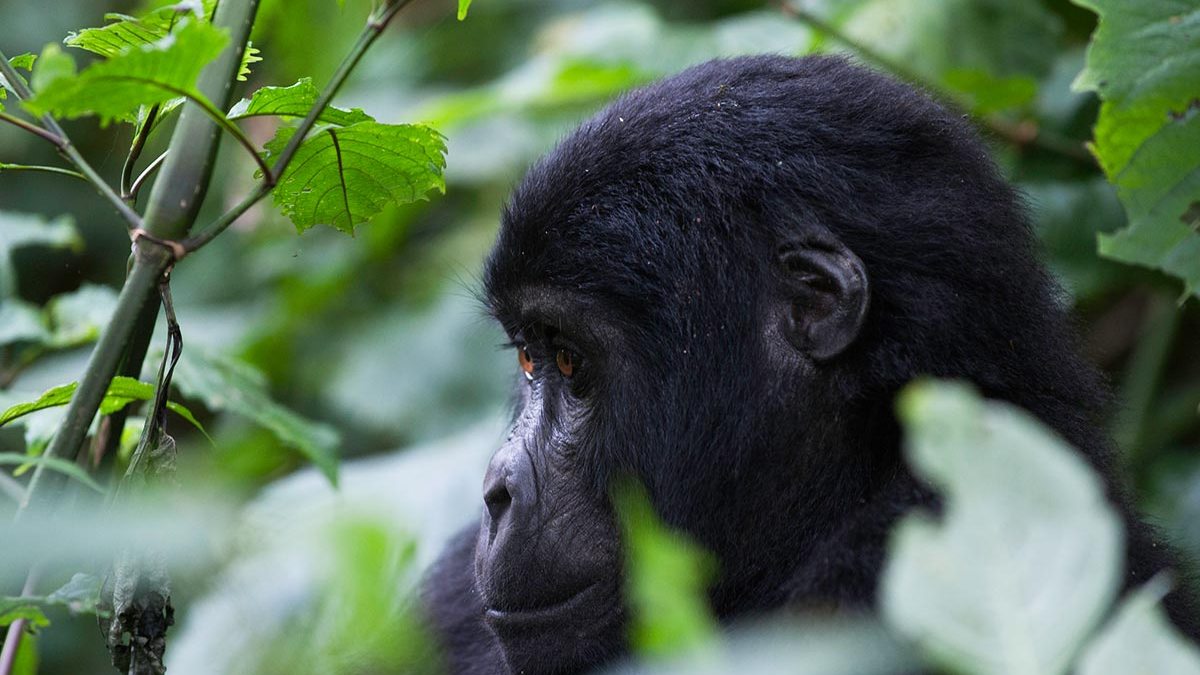
This is to protect mountain gorillas, which share a high percentage of human DNA and are vulnerable to human diseases.
In this case:
- Your permit is usually considered used
- Refunds are rarely granted
- You cannot transfer the permit to another person
This rule exists primarily for conservation safety.
Why Illness Affects Your Permit So Strictly
The strict handling of sick travelers is not just administrative-it is deeply rooted in gorilla conservation science.
Mountain gorillas in Bwindi Impenetrable National Park and Volcanoes National Park are highly susceptible to human respiratory diseases.
Even a mild cold can:
- Spread to gorilla families
- Cause serious illness or death
- Disrupt conservation efforts
For this reason, park authorities prioritize gorilla safety over individual permit loss.
Can You Reschedule a Permit If You Are Sick?
Rescheduling is possible in limited situations, but it is not guaranteed.
In most cases:
- Requests must be made before the trekking day
- Valid medical proof is required
- New dates depend on availability
- Peak seasons make rescheduling harder
The Rwanda Development Board may allow flexibility in rare cases, but policies remain strict to avoid abuse of the system.
What About Travel Insurance?
Travel insurance plays an important role in protecting your investment.
If you are planning a gorilla trek in Rwanda or Uganda, insurance may cover:
- Medical emergencies
- Trip cancellation due to illness
- Emergency evacuation
- Delayed travel affecting safari schedules
However, not all policies automatically include gorilla permits, so it is important to check coverage carefully.
Best Practices to Protect Your Permit
To reduce risk if you become sick before your trek, consider the following:
- Book travel insurance that covers safari cancellations
- Inform your tour operator immediately if symptoms appear
- Keep medical documentation if illness occurs
- Avoid risky behavior before trekking day (e.g., exposure to infections)
- Be flexible with travel dates when planning
These steps can improve your chances of recovering part of your investment.
Operator Support in Case of Illness
If you booked through a safari company, they can help you:
- Communicate with park authorities
- Submit medical documentation
- Request rescheduling where possible
- Explore alternative safari activities
While they cannot override official rules, they can often improve your chances of a favorable outcome.
If you become sick before or during your gorilla trek in Rwanda or Uganda, your permit outcome depends on timing, severity, and official policy from authorities like the Rwanda Development Board.
In most cases, permits are non-refundable and non-transferable, especially on short notice. However, genuine medical emergencies with proper documentation may allow for rescheduling or limited exceptions.
Above all, the strict rules exist for one critical reason: protecting the health of mountain gorillas in protected ecosystems like Volcanoes National Park and Bwindi Impenetrable National Park.
Your safety matters-but so does theirs, and the entire system is designed to balance both responsibly.