

Gorilla Safari Currency: What to Bring, What to Exchange
A gorilla safari in destinations like Bwindi Impenetrable National Park or Volcanoes National Park is a once-in-a-lifetime experience, but it also takes place in remote environments where access to banking, card machines, and currency exchange services is limited. Because of this, understanding what money to bring, how to exchange it, and how to use it efficiently is an essential part of planning your trip.
Unlike city travel where digital payments dominate, gorilla trekking regions rely heavily on cash. A well-planned currency strategy helps you avoid stress, reduce unnecessary costs, and move smoothly through your safari experience from arrival to departure.
Understanding the Main Currencies Used
Two main types of currency are used during a gorilla safari: international and local.
The US dollar is the most widely accepted foreign currency in both Uganda and Rwanda. Most safari packages, including permits, accommodation, and transport, are quoted in USD. Many lodges and tour operators also prefer or accept payment in dollars, especially for mid-range and luxury services.
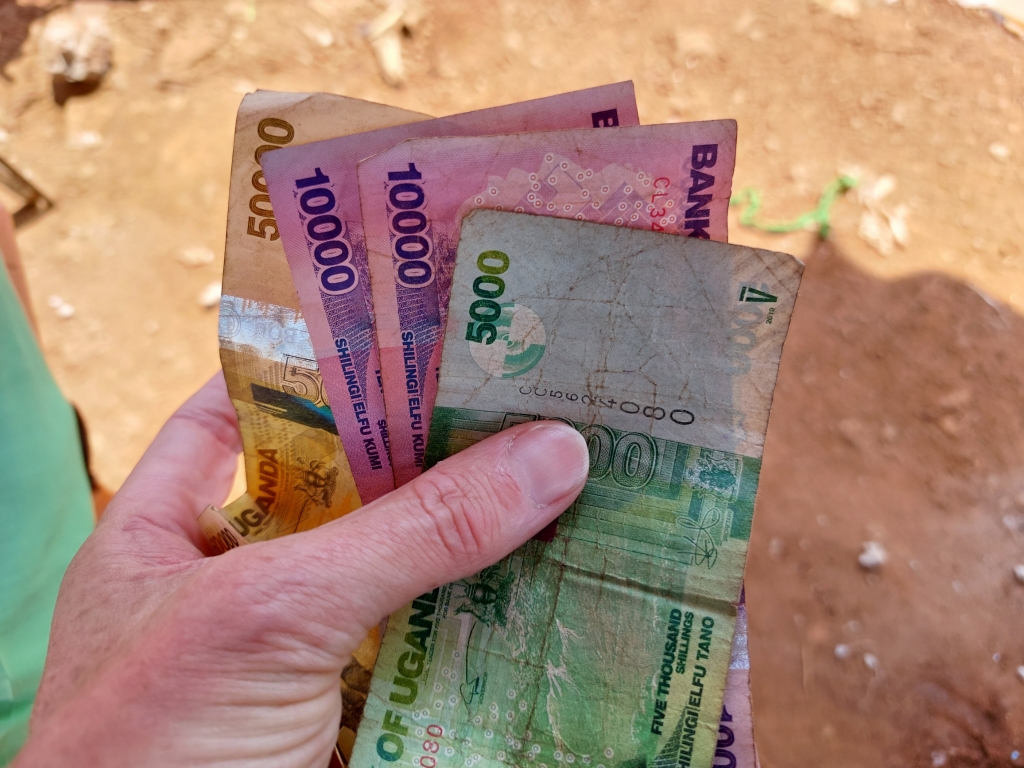
However, once you move into rural areas near Bwindi Impenetrable National Park or Volcanoes National Park, local currencies become more important for small transactions. Uganda uses the Ugandan Shilling, while Rwanda uses the Rwandan Franc. These are essential for everyday spending such as small shops, tips, and community experiences.
Why US Dollars Are Essential
Carrying US dollars is strongly recommended for any gorilla safari.
They are stable, widely recognized, and accepted across most tourism services. From paying for optional activities to tipping guides and porters, USD is often the preferred currency.
However, not all US dollar notes are accepted equally. Many establishments require clean, newer notes issued after 2009. Old, torn, or heavily marked bills may be rejected. This is an important detail many travelers overlook.
It is also advisable to carry smaller denominations such as 10s, 20s, and 50s. Large notes are sometimes difficult to break in remote areas, especially around Bwindi Impenetrable National Park.
When Local Currency Becomes Necessary
Although USD is useful for major expenses, local currency becomes essential for daily life.
In Uganda, the Ugandan Shilling is used for local markets, roadside shops, small restaurants, and community interactions. In Rwanda, the Rwandan Franc serves the same purpose.
Using local currency is often more convenient and can sometimes be more cost-effective for small purchases. Vendors in rural areas may not accept foreign currency or may offer less favorable exchange rates if they do.
Having a mix of both currencies ensures flexibility throughout your safari journey.
Where to Exchange Money
The best place to exchange money is in major cities before traveling to national parks.
In Uganda, Kampala and Entebbe offer reliable forex bureaus with competitive rates and multiple currency options. In Rwanda, Kigali is the most convenient and trustworthy place to exchange money.
Airport exchange counters are available, but they often provide less favorable rates compared to city-based forex bureaus. Once you leave urban centers, exchange services become extremely limited.
For this reason, it is best to complete most of your currency exchange before heading toward gorilla trekking regions.
ATM Access and Card Payments
ATMs are available in major cities, but they are not reliable in remote safari areas.
In Kampala or Kigali, you can withdraw local currency using international debit or credit cards. However, as you approach Bwindi Impenetrable National Park or Volcanoes National Park, ATM availability becomes scarce or nonexistent.
Some high-end lodges accept card payments, but this should not be relied upon. Power cuts, network issues, or machine downtime can affect card processing at any time.
Cash remains the most dependable and widely accepted payment method during a gorilla safari.
How Much Cash You Should Carry
The amount of cash you need depends on your safari package and personal spending habits.
If your safari is fully inclusive, covering accommodation, transport, and permits, your cash needs will mainly be limited to tips, drinks, souvenirs, and optional activities.
Tipping is an important part of the gorilla trekking experience. Guides, trackers, porters, and lodge staff all play a role in your journey, and gratuities are expected and appreciated.
It is best to carry a combination of USD and local currency in small and medium denominations to ensure flexibility in all situations.
Tipping and Everyday Spending
Tipping is one of the most common reasons travelers need cash during a gorilla safari.
Porters who assist on steep trekking routes, guides who lead the experience, and lodge staff who provide hospitality all rely on tips as part of their income.
In addition, small purchases such as crafts, bottled water, snacks, or cultural experiences are usually cash-based. These moments often add depth and authenticity to your safari experience.
Having the right currency readily available ensures you can participate fully without inconvenience.
Safety and Money Management
Carrying cash in remote safari environments requires careful planning.
It is advisable to divide your money into separate locations, such as a money belt, wallet, and secure luggage compartment. This reduces risk in case of loss or theft.
Avoid displaying large amounts of cash in public spaces. While safari lodges are generally safe, basic precautions are always recommended.
Organizing your money in advance also makes it easier to track expenses throughout your journey.
Exchange Rate Awareness
Exchange rates can vary depending on where you convert your money.
Forex bureaus in major cities typically offer better rates than airports or hotels. It is helpful to have a general understanding of current exchange rates so you can avoid unfavorable conversions.
This awareness ensures that you get fair value when exchanging currency and helps you plan your safari budget more accurately.
Common Currency Mistakes to Avoid
One of the most common mistakes travelers make is arriving with insufficient cash or relying too heavily on cards.
Another frequent issue is bringing old or damaged US dollar notes, which may not be accepted in many places. Some travelers also fail to exchange enough local currency before heading into remote areas, leading to unnecessary inconvenience.
Proper preparation eliminates these issues and ensures a smoother travel experience.
Managing currency effectively is a small but crucial part of planning a gorilla safari in Uganda and Rwanda.
By bringing clean US dollars, exchanging enough local currency in advance, and preparing for limited ATM and card access, you can avoid unnecessary stress and focus entirely on the experience.
In destinations like Bwindi Impenetrable National Park and Volcanoes National Park, financial preparedness enhances not only convenience but also your overall enjoyment of the journey into one of the world’s most remarkable wildlife encounters.