
Gorilla Safaris from Spain: Step-by-Step Planning Guide
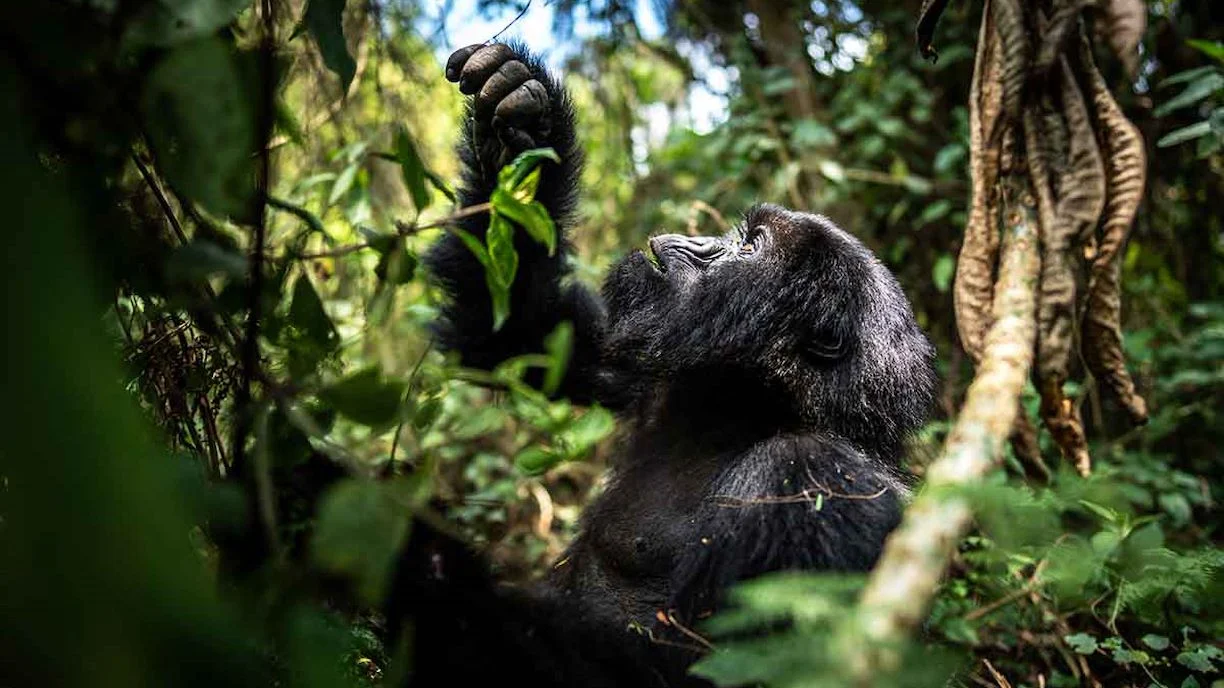
Planning a gorilla safari from Spain is an exciting journey that takes you from cities like Madrid, Barcelona, Valencia, or Seville all the way to the dense rainforests of East Africa. The main destination for most Spanish travelers is Bwindi Impenetrable National Park in Uganda, one of the most important strongholds of the endangered mountain gorilla.
Another popular option is Volcanoes National Park in Rwanda, but Uganda is often preferred for longer itineraries, more permit availability, and generally better value. Regardless of the destination, the planning process is similar and follows a clear structure involving flights, permits, accommodation, and a licensed tour operator.
This guide breaks down every step so you can confidently plan your gorilla trekking safari from Spain.
Step 1: Choosing Your Destination in East Africa
Most travelers from Spain choose between Uganda and Rwanda.
Uganda is home to Bwindi Impenetrable National Park, which hosts the largest population of mountain gorillas in the world. It offers multiple trekking sectors, more gorilla families, and a wide range of accommodation options.
Rwanda offers Volcanoes National Park, which is closer to the capital city Kigali and easier to access, but permits are more expensive.
For Spanish travelers seeking longer and more immersive safaris, Uganda is usually the preferred choice.
Step 2: International Flights from Spain
There are no direct flights from Spain to Uganda or Rwanda, so all journeys involve at least one stopover.
Common departure cities include Madrid and Barcelona, with connections through major hubs such as Istanbul, Doha, Amsterdam, Brussels, or Paris before arriving at Entebbe International Airport in Uganda or Kigali International Airport in Rwanda.
Total travel time typically ranges between 11 and 16 hours depending on the route and layovers.
Once in East Africa, you either travel by road or take a domestic flight closer to the gorilla trekking region.
Step 3: Booking Your Gorilla Permit
The most important requirement for your safari is the gorilla trekking permit.
In Uganda, permits cost around 800 USD per person and are issued by the Uganda Wildlife Authority. In Rwanda, they are around 1,500 USD per person and managed by the Rwanda Development Board.
Because permits are limited and allocated daily, booking early is essential. Spanish travelers are encouraged to secure permits 4 to 6 months in advance, especially for peak travel seasons.
Without a permit, gorilla trekking is not possible under any circumstances.
Step 4: Working with a Tour Operator
Most travelers from Spain book their safari through a licensed East African tour operator.
The operator typically handles:
Permit booking
Airport transfers
Accommodation near Bwindi Impenetrable National Park or Volcanoes National Park
Transport and driver-guide services
Full itinerary planning
This approach is highly recommended for international travelers because it simplifies logistics and ensures a smooth experience from arrival to departure.
Step 5: Selecting Safari Duration
Gorilla safaris from Spain can be short or extended depending on your travel time.
Common itinerary options include:
3-day gorilla trekking safari focused only on Bwindi or Volcanoes National Park
4–5 day safari combining gorillas with nearby lakes or cultural experiences
7–10 day safari combining gorillas with wildlife parks such as Queen Elizabeth National Park
Short itineraries are ideal for limited holiday time, while longer trips offer a more complete East African experience.
Step 6: Accommodation Options
Accommodation depends on the sector of Bwindi Impenetrable National Park or region of Volcanoes National Park where you will trek.
Bwindi has four main trekking sectors: Buhoma, Ruhija, Rushaga, and Nkuringo. Each offers a range of lodges from budget to luxury.
Your tour operator will match your lodge to your permit location to ensure you are close to the trekking starting point on the morning of your hike.
Step 7: Best Time to Travel from Spain
The best time for gorilla trekking is during the dry seasons.
These are:
June to September
December to February
During these months, forest trails are easier to navigate and trekking conditions are more comfortable. These periods also align well with Spanish summer and winter holidays, making them popular travel windows.
Gorilla trekking is still available year-round, but rain is more common during the wet seasons.
Step 8: What to Expect on Trekking Day
On the day of your trek in Bwindi Impenetrable National Park, you begin with a morning briefing from Uganda Wildlife Authority rangers.
You are assigned a gorilla family and then enter the forest with guides and trackers. The hike can last from one hour to several hours depending on the gorillas’ location.
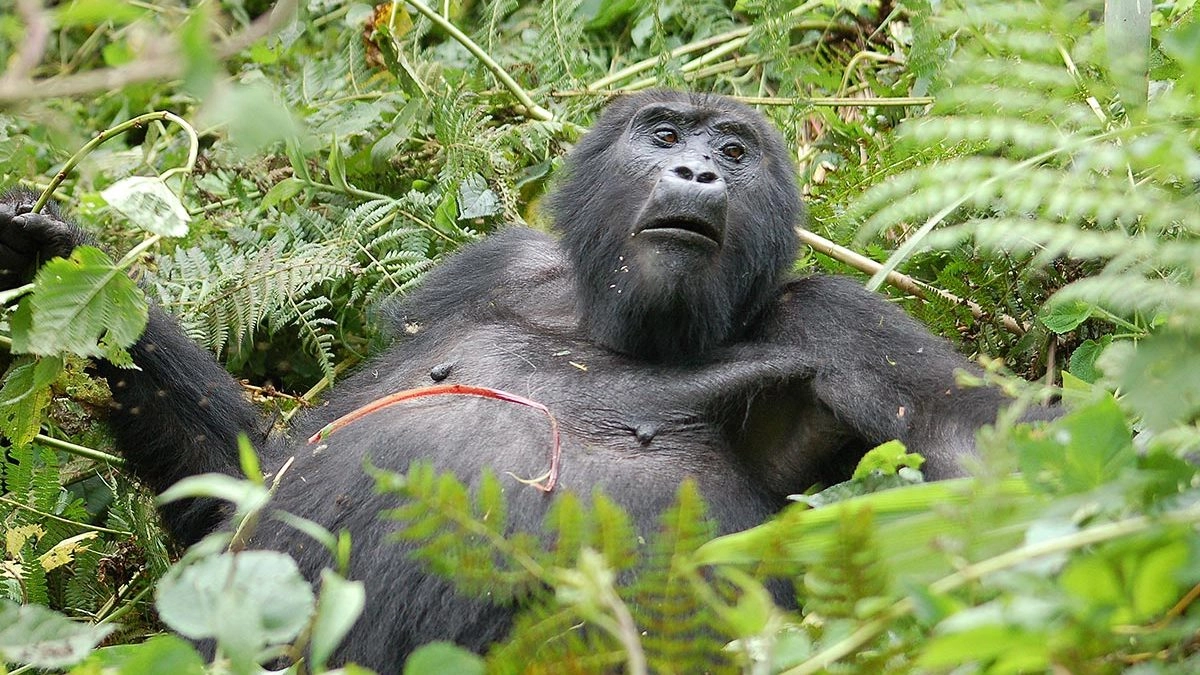
Once found, you are allowed one magical hour observing their natural behavior, including feeding, grooming, and social interactions.
This is the highlight of the entire safari.
Step 9: Travel Requirements for Spanish Citizens
Spanish travelers must have a valid passport with at least six months of validity.
A tourist visa is required for Uganda or Rwanda and can be applied for online before travel.
A yellow fever vaccination certificate is mandatory for entry into Uganda and is strongly recommended for Rwanda as well.
Comprehensive travel insurance covering medical evacuation and trekking activities is also highly recommended.
Step 10: Budget Overview
A gorilla safari from Spain includes several key costs:
International flights
Gorilla permit
Accommodation and transport
Meals and guide services
Uganda is generally more affordable than Rwanda, making it a popular choice for travelers seeking value without compromising on experience.
Planning a gorilla safari from Spain is straightforward when broken into clear steps. From securing flights and permits to choosing a trusted tour operator and selecting your itinerary, each stage brings you closer to one of the most powerful wildlife experiences in the world.
A trek in Bwindi Impenetrable National Park or Volcanoes National Park is not just a holiday-it is a life-changing encounter with mountain gorillas in their natural rainforest home.