
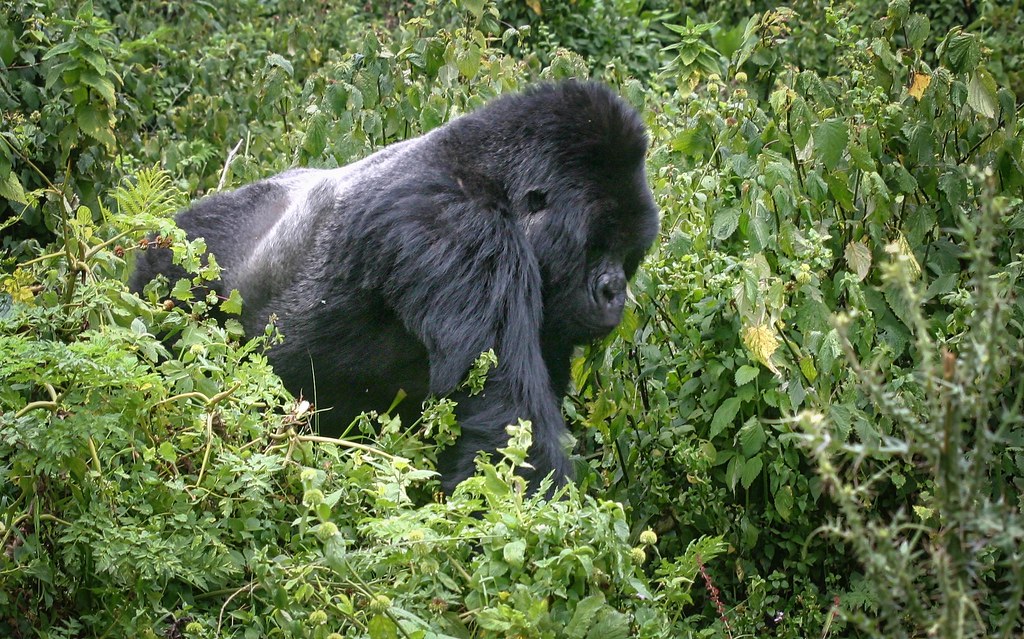
Gorilla Safaris Bwindi vs Mgahinga: Which Uganda Park to Choose
Uganda’s Two Gorilla Trekking Destinations Explained
Uganda is one of the world’s leading gorilla trekking destinations and the only country where travelers can choose between two different national parks for mountain gorilla encounters. These parks are Bwindi Impenetrable National Park and Mgahinga Gorilla National Park.
Both parks offer extraordinary opportunities to see endangered mountain gorillas in the wild, but the trekking experience in each location feels very different. Bwindi is larger, more biodiverse, and internationally famous, while Mgahinga is smaller, quieter, and often considered more scenic and relaxed.
Choosing between them depends on the type of safari experience you want, your fitness level, photography interests, and the atmosphere you prefer during your gorilla adventure.
Understanding Bwindi Impenetrable National Park
Bwindi Impenetrable National Park is Uganda’s most famous gorilla trekking destination and one of Africa’s most important conservation areas. The park is a UNESCO World Heritage Site known for its ancient rainforest, dense vegetation, and exceptional biodiversity.
Bwindi contains nearly half of the world’s remaining mountain gorillas and has far more habituated gorilla families than Mgahinga. The park is divided into four major trekking sectors known as Buhoma, Ruhija, Rushaga, and Nkuringo.
Because of the large number of gorilla families, Bwindi offers greater flexibility when booking permits and planning trekking experiences. It is also the only place in Uganda where travelers can participate in the gorilla habituation experience, which allows visitors to spend up to four hours with a semi-habituated gorilla group instead of the standard one hour.
The forest environment in Bwindi is thick, dramatic, and truly impenetrable in some sections. Trekking through this rainforest often feels like a deep jungle expedition filled with adventure and suspense.
Understanding Mgahinga Gorilla National Park
Mgahinga Gorilla National Park is Uganda’s smallest national park and lies within the Virunga mountain range near the borders of Rwanda and the Democratic Republic of Congo.
Unlike Bwindi’s dense rainforest setting, Mgahinga is characterized by volcanic landscapes, bamboo forests, and open mountain scenery. The park has one habituated gorilla family known as the Nyakagezi group, which is famous for having multiple silverbacks within the same family.
Many travelers and guides consider this gorilla family especially fascinating because of its social dynamics and relatively stable behavior.
The trekking environment in Mgahinga is generally more open than Bwindi, which often allows clearer visibility and easier photography. The volcanic scenery also gives the park a dramatic and beautiful atmosphere that differs significantly from Bwindi’s enclosed rainforest environment.
Gorilla Trekking Experience: Which Feels Better?
The actual gorilla encounter is extraordinary in both parks. Visitors still spend one hour observing mountain gorillas in their natural habitat under ranger supervision regardless of the location.
However, the overall atmosphere differs greatly between the two parks.
Bwindi feels wilder, denser, and more adventurous. Trekking through thick jungle vegetation creates anticipation and immersion. Encounters often feel deeply intimate because the surrounding rainforest completely surrounds visitors during the experience.
Mgahinga feels more open, scenic, and less crowded. The volcanic backdrop and lighter vegetation sometimes provide clearer views of the gorillas and more comfortable trekking conditions.
Travelers seeking a raw rainforest expedition often prefer Bwindi, while those wanting scenic landscapes and easier visibility frequently favor Mgahinga.
Gorilla Families and Permit Availability
Bwindi has a major advantage in terms of gorilla family numbers and permit availability. The park contains more than twenty habituated gorilla groups spread across its different sectors.
This larger number of permits makes it easier for travelers to secure bookings during busy tourism seasons and offers greater flexibility for safari planning.
Mgahinga has only one habituated gorilla family available for tourism. While this creates a more exclusive and quieter atmosphere, it also means permit availability is much more limited.
For travelers booking during peak travel periods or arranging safaris on shorter notice, Bwindi usually provides better availability.
Trek Difficulty and Physical Fitness
Bwindi trekking can be physically demanding. The terrain is steep, muddy, and heavily forested. Some treks involve several hours of hiking through difficult conditions depending on where the gorillas are located on a particular day.
Many visitors describe Bwindi as rewarding but physically exhausting.
Mgahinga trekking is often considered slightly easier because some parts of the terrain are more open and less densely vegetated. However, it still involves mountain hiking and high-altitude conditions.
For travelers concerned about fitness levels, Mgahinga may feel somewhat more manageable, although both parks require reasonable physical preparation.
Wildlife and Biodiversity Beyond Gorillas
Bwindi has greater biodiversity overall. Besides mountain gorillas, the park supports chimpanzees, colobus monkeys, forest elephants, hundreds of bird species, and many rare mammals and butterflies.
The rainforest ecosystem feels exceptionally rich and biologically diverse, making Bwindi attractive for nature enthusiasts interested in more than gorillas alone.
Mgahinga’s biggest advantage beyond gorillas is golden monkey trekking. It is the only park in Uganda where travelers can combine mountain gorilla trekking with endangered golden monkey tracking in the same destination.
Mgahinga is also ideal for volcano hiking. Visitors can climb Mount Muhabura, Mount Gahinga, and Mount Sabyinyo, adding another level of adventure to the safari experience.
Photography Differences
Photographers often notice major differences between the two parks.
Bwindi’s thick rainforest creates dramatic and emotional images, but photography can be technically difficult because of low forest light, dense vegetation, and obstructed views.
Mgahinga generally offers cleaner backgrounds, better natural lighting, and easier visibility due to its more open terrain.
For this reason, many wildlife photographers prefer Mgahinga for capturing clearer and brighter gorilla images.
Crowds and Safari Atmosphere
Bwindi receives significantly more visitors because it offers more permits and has a stronger international tourism profile.
Although gorilla trekking groups remain small and controlled, some sectors in Bwindi can feel busier overall.
Mgahinga usually feels quieter, calmer, and less commercialized. Travelers looking for a peaceful and more exclusive safari atmosphere often find Mgahinga especially appealing.
Accessibility and Safari Combinations
Bwindi is easier to combine with other major Uganda safari destinations such as Queen Elizabeth National Park, Kibale Forest, and Lake Bunyonyi.
Its location makes it ideal for travelers planning extended Uganda safaris that combine gorilla trekking with wildlife viewing and chimpanzee tracking.
Mgahinga is closer to Rwanda and works particularly well for travelers entering Uganda through Kigali. It is also an excellent option for travelers interested in combining gorilla trekking with volcano hiking and golden monkey experiences.
Cultural Experiences
Both parks offer opportunities to learn about the Batwa people, the original forest inhabitants displaced during conservation efforts.
However, Mgahinga is often considered stronger for Batwa cultural experiences because the Batwa Trail takes place inside the park and offers a more immersive historical and cultural perspective.
These cultural experiences help visitors understand the relationship between conservation, indigenous communities, and tourism in the region.
Which Park Is Better?
Bwindi is generally better suited for travelers seeking a classic rainforest gorilla trekking adventure with more permit availability, greater biodiversity, and the possibility of gorilla habituation experiences.
Mgahinga is often ideal for travelers looking for quieter trekking, scenic volcanic landscapes, easier photography conditions, and opportunities to combine gorillas with golden monkey tracking and volcano climbing.
Neither park is universally better than the other because both offer outstanding gorilla trekking experiences with different strengths and atmospheres.
Bwindi Impenetrable National Park and Mgahinga Gorilla National Park are both exceptional destinations for mountain gorilla trekking in Uganda. Bwindi offers scale, biodiversity, and deep rainforest adventure, while Mgahinga provides scenic volcanic beauty, quieter trekking, and a more relaxed atmosphere.
The best choice depends on what kind of safari experience you value most. Travelers seeking dense jungle immersion and greater variety often choose Bwindi, while those preferring exclusivity, open scenery, and calmer trekking conditions frequently favor Mgahinga.
Whichever park you choose, both offer one of the most unforgettable wildlife encounters in Africa and a rare opportunity to observe endangered mountain gorillas in their natural habitat.