
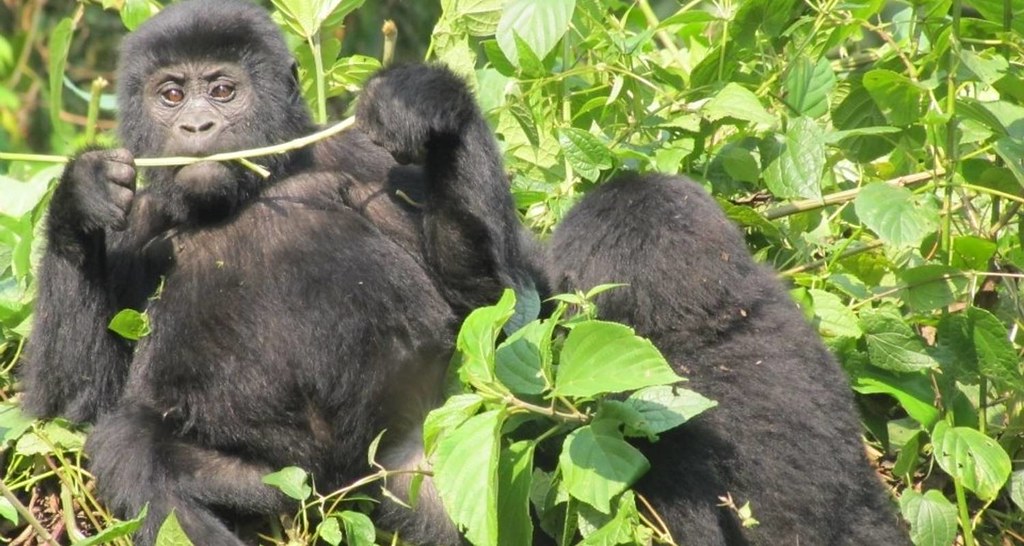
What Medical Conditions Stop You Going on a Gorilla Safari?
The Core Principle Behind Health Restrictions
Gorilla trekking has strict medical guidelines, not because visitors are “unsafe,” but because mountain gorillas are extremely vulnerable to human diseases. They share a high percentage of DNA with humans, which makes them susceptible to infections that are mild in people but potentially fatal in gorillas.
Because of this, park authorities in Uganda, Rwanda, and Congo enforce health-based restrictions to protect gorilla populations. These rules are taken seriously and applied at the point of briefing before trekking begins.
The most important idea is simple: if there is a risk you could transmit an infectious illness, you may not be allowed to trek.
Respiratory Infections and Flu-Like Illnesses
The most common medical reason for being stopped from gorilla trekking is any form of contagious respiratory illness.
This includes:
- Influenza (flu)
- Severe cough or cold
- Fever with respiratory symptoms
- COVID-like symptoms or other viral infections
Even mild symptoms can lead to restriction because respiratory viruses can spread easily in close-range encounters in forest conditions.
Rangers may deny participation if they observe signs such as persistent coughing or visible illness during the pre-trek health screening.
Infectious Diseases and Contagion Risks
Any condition considered highly contagious can stop you from trekking.
This includes:
- Tuberculosis
- Measles
- Active viral infections with transmission risk
The concern is not only direct contact with gorillas but also transmission within trekking groups, which often consist of multiple visitors and guides in close proximity during hiking.
Gastrointestinal Illnesses
Severe stomach infections may also prevent participation, especially if they involve symptoms such as vomiting or diarrhea.
These conditions are treated seriously because they can indicate bacterial or viral infections that may spread in shared environments.
While mild discomfort might not always lead to cancellation, visible or severe symptoms often result in being advised to skip the trek.
Recent Surgeries or Serious Physical Conditions
Although gorilla trekking is not a medical exam-based activity, certain physical conditions may make participation unsafe.
These include:
- Recent major surgery
- Severe cardiovascular conditions
- Uncontrolled hypertension
- Serious respiratory diseases like advanced asthma or COPD
- Conditions that significantly limit mobility or endurance
The issue here is not gorilla interaction, but the physical demand of hiking steep, slippery forest terrain for several hours.
Pregnancy Considerations
Pregnancy does not automatically stop someone from gorilla trekking, but it is considered a high-risk activity depending on stage and health status.
Concerns include:
- Physical strain from long hikes
- Risk of falls on uneven terrain
- Altitude changes in some parks
- Limited emergency medical access in remote forest areas
Many operators strongly advise pregnant travelers to seek medical clearance before attempting the trek, especially in later stages of pregnancy.
Infectious Skin Conditions
Certain visible skin infections may also lead to restrictions if they are considered contagious or difficult to control in close proximity environments.
This is mainly a precaution to protect both other trekkers and gorillas.
Health Screening at the Park Briefing
Before every trek, visitors attend a mandatory briefing where rangers may conduct informal health screening.
They may:
- Ask if you are feeling unwell
- Observe visible symptoms
- Enforce mask rules in some parks
- Advise you not to proceed if illness is suspected
This screening is not meant to be invasive but is essential for conservation safety.
Why Sick Visitors Are Not Allowed
The restriction is not about the visitor’s comfort but about protecting gorillas from human diseases.
Mountain gorillas have no natural immunity to many common human illnesses. Even a simple cold could have serious consequences for a gorilla group.
This is why the rules are strict and consistently enforced.
What Happens If You Are Denied Trekking
If you are found unfit due to illness at the briefing point, you may not be allowed to join the trek.
In most cases:
- The permit may not be refunded
- Rescheduling depends on availability and park policy
- The decision is made on-site by park authorities
This is why health preparation before travel is very important.
How to Prepare Before Your Safari
To avoid medical issues affecting your gorilla trek, travelers are advised to:
- Avoid traveling when sick
- Rest before the trek if recovering from illness
- Carry basic medication for mild symptoms
- Maintain good hydration and fitness levels
- Inform operators of any pre-existing conditions in advance
Good preparation reduces risk and improves trekking comfort.
Medical conditions that can stop you from going on a gorilla safari are mainly those that involve contagious illness, severe respiratory symptoms, or physical limitations that make forest trekking unsafe.
The strict health rules are not about limiting tourism but about protecting one of the world’s most endangered primates from human diseases.
In most cases, healthy travelers with reasonable fitness levels can participate safely, but anyone showing signs of illness may be required to postpone or skip the trek to protect both themselves and the gorillas.