
How Dangerous Is a Gorilla Safari? Honest Risk Assessment
The Short Answer First
A gorilla safari is generally not considered dangerous for tourists when conducted through official parks in Uganda or Rwanda under ranger supervision. The experience is highly controlled, tightly regulated, and designed with strict safety protocols.
However, it is still a wild animal encounter in dense rainforest terrain, so it carries low but real risks related to environment, physical exertion, and rare animal behavior scenarios.
The key idea is this: gorilla trekking is wildlife adventure, not zoo tourism, but it is also one of the most carefully managed wildlife experiences in Africa.
Understanding What You Are Actually Dealing With
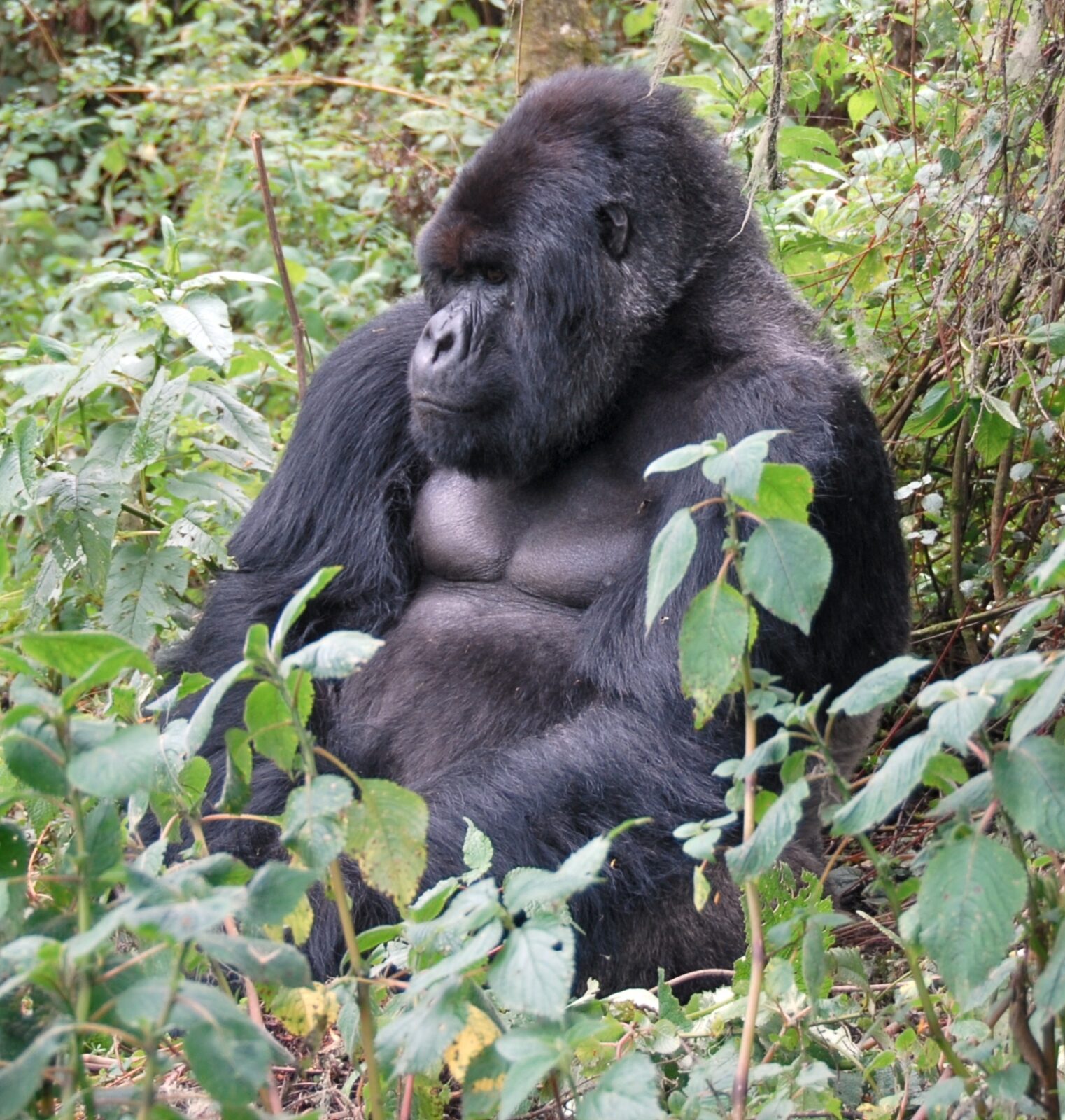
Mountain gorillas are powerful wild animals, but they are also generally calm and habituated to human presence through long-term conservation programs.
Adult silverbacks can weigh over 180 kg and are extremely strong, but they are not naturally aggressive toward humans unless they feel threatened.
In most trekking encounters, gorillas:
- Ignore humans completely
- Feed, rest, and interact socially
- Display curiosity rather than aggression
Direct attacks on tourists are extremely rare because groups are carefully habituated and monitored by professional trackers.
The Role of Habituation in Safety
One of the biggest safety factors is that tourists only visit habituated gorilla families.
Habituation means gorillas have gone through years of gradual exposure to humans under controlled conditions until they accept human presence without stress.
This process significantly reduces aggressive reactions and makes controlled tourism possible.
Without habituation, gorilla trekking would not be allowed at all.
Ranger Protection and Controlled Access
Every gorilla trek is conducted under the supervision of armed and trained wildlife rangers.
Their responsibilities include:
- Locating gorilla groups in advance
- Guiding visitor behavior
- Maintaining safe distance protocols
- Intervening if animals become agitated
- Managing emergency situations
You are never alone in the forest. The entire system is designed around safety and monitoring.
Actual Physical Risks During a Gorilla Safari
While gorillas themselves pose a very low risk, the environment introduces the most realistic challenges.
The main physical risks include:
Slippery terrain and falls, especially during rainy seasons when forest paths become muddy and steep.
Fatigue and exhaustion from hiking for several hours at altitude.
Minor injuries such as scrapes from vegetation or uneven ground.
In rare cases, altitude discomfort in high-elevation parks like Bwindi or Volcanoes National Park.
These risks are similar to hiking in rugged mountain environments anywhere in the world.
Wildlife Risk Beyond Gorillas
Other wildlife in gorilla forests is generally not dangerous to tourists during trekking.
You may encounter:
- Forest monkeys
- Forest elephants (very rare and usually avoid humans)
- Birds and insects
These animals are not typically aggressive toward trekking groups, especially when rangers are present.
The forest is not a predator-heavy environment compared to savannah safaris with lions or leopards.
Behavioral Risk: What Happens If Gorillas Get Agitated
Although rare, gorillas can display defensive behavior if they feel threatened.
Warning signs may include:
- Chest beating
- Loud vocalizations
- Sudden movement toward the group
In such situations, rangers immediately manage the group by instructing visitors to stay calm, avoid eye contact, and slowly move away.
In reality, most groups never experience escalation because guides maintain strict behavioral rules, such as:
- Keeping a safe distance
- Moving slowly and quietly
- Avoiding sudden gestures or loud noises
Human Health Risks in the Forest
One of the most important safety concerns is disease transmission, not physical attack.
Mountain gorillas share a high percentage of human DNA, which makes them vulnerable to human illnesses like flu or respiratory infections.
For this reason, strict rules are enforced:
- No trekking if you are sick
- Mandatory mask use in some parks
- Minimum distance from gorillas
- Limited interaction time (one hour)
This protects both humans and gorillas.
Psychological Risk: Emotional Intensity
Many first-time trekkers underestimate the emotional impact of the experience.
Being close to a wild silverback or a gorilla family can feel intense, especially when they move nearby or make direct eye contact.
This is not danger in a physical sense, but it can create:
- Nervousness
- Anxiety for unprepared travelers
- Overexcitement leading to rule violations
Proper briefing before trekking helps manage this.
How Safety Differs Between Uganda, Rwanda, and Congo
In Uganda and Rwanda, gorilla trekking is considered very safe due to:
- Stable tourism systems
- Strong park authority control
- Well-trained ranger teams
- Predictable trekking logistics
In the Democratic Republic of Congo, gorilla trekking is still professionally managed in designated parks, but broader regional instability can affect overall travel risk perception.
This is why most international travelers prefer Uganda or Rwanda for peace of mind.
Real-World Incident Perspective
Serious incidents involving tourists and mountain gorillas are extremely rare in modern regulated tourism history.
Most “danger” stories come from:
- Early conservation eras before habituation was refined
- Poorly supervised or unofficial interactions (which are not part of legal tourism)
- Rare defensive behavior that was quickly controlled
In official gorilla trekking programs today, incidents are minimal due to strict systems.
So, Is a Gorilla Safari Dangerous?
A gorilla safari is best described as low-risk wilderness trekking with strong professional supervision.
It is not:
- A high-danger wildlife encounter
- A predator-driven safari like lion tracking
- An uncontrolled jungle expedition
It is:
- A regulated conservation experience
- A guided forest hike
- A controlled wild animal observation activity
The biggest real risks are physical terrain challenges, not gorilla behavior.
Gorilla safaris are not dangerous in the traditional sense of wildlife encounters. When conducted legally through Uganda or Rwanda’s national parks, they are among the most carefully managed and safest wildlife experiences in Africa.
The presence of trained rangers, habituated gorilla families, strict conservation rules, and controlled group sizes all reduce risk significantly.
What remains is a physically demanding but safe adventure that brings you face-to-face with one of the world’s most powerful yet peaceful great apes in their natural habitat.