
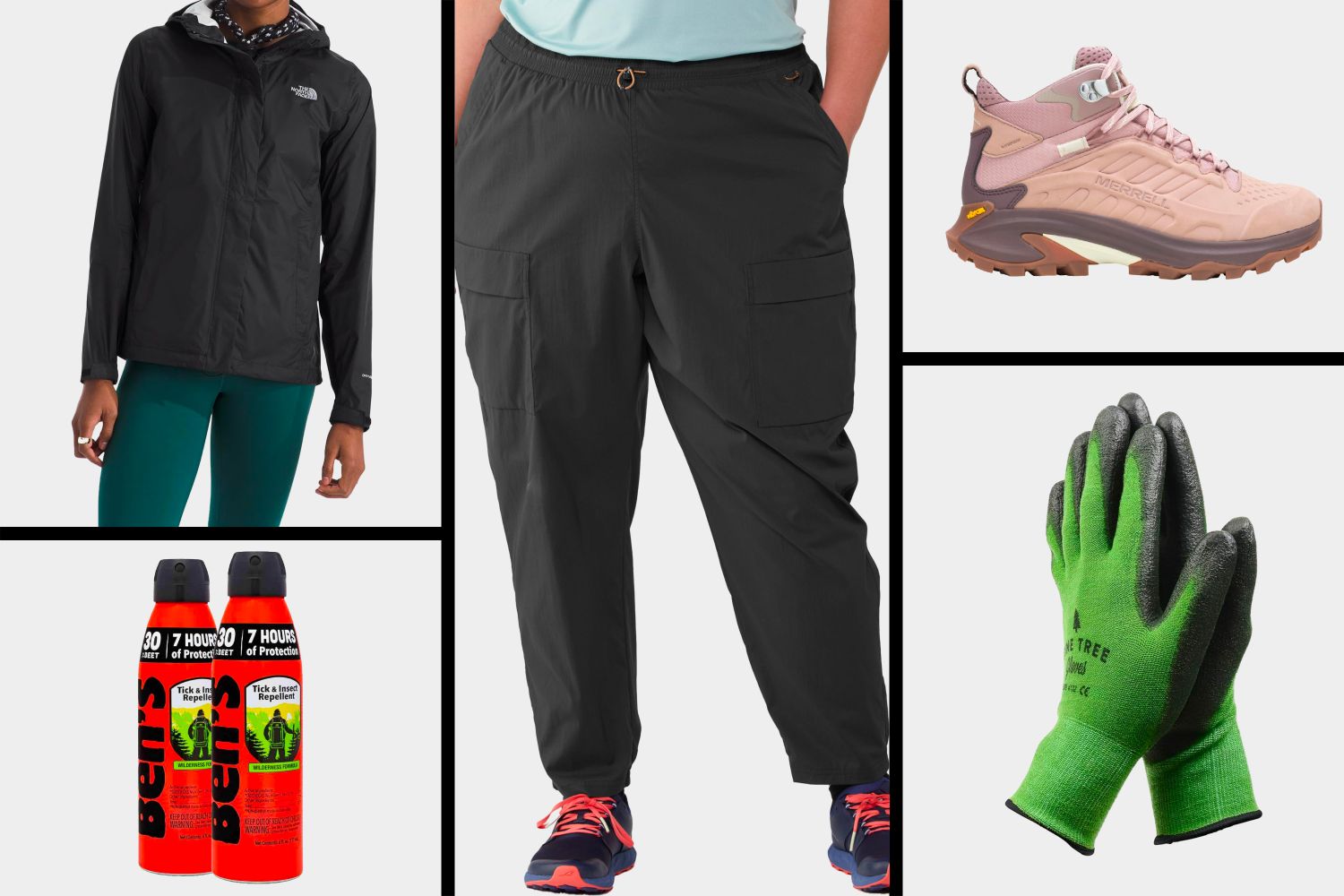
What Should You Wear on a Gorilla Safari?
Why Clothing Matters More Than Most People Expect
A gorilla safari is not a casual sightseeing activity. You are hiking through dense tropical rainforest, often on steep, muddy, and wet terrain, at elevations that can change weather conditions quickly.
What you wear directly affects your comfort, safety, and ability to enjoy the trek. The right clothing protects you from thorns, insects, rain, mud, and temperature changes, while the wrong outfit can make the experience unnecessarily difficult.
The goal is simple: dress for a forest hike, not a city tour.
The Ideal Clothing Strategy: Practical and Layered
The best approach to gorilla trekking clothing is layering. Weather in gorilla parks such as Bwindi Impenetrable National Park and Mgahinga Gorilla National Park can change within minutes, from sunshine to heavy rain.
Layering allows you to adjust quickly to changing conditions without discomfort.
Start with breathable base layers, add protective mid-layers if needed, and finish with durable outer layers that can handle vegetation and rain.
Best Clothing for the Upper Body
For your upper body, long-sleeved shirts are essential. They protect you from insect bites, thorny vegetation, and scratches from branches during hiking.
Lightweight, breathable materials are best because trekking can be physically demanding and sweaty.
Neutral colors such as green, brown, khaki, and beige are recommended because they blend with the forest environment and do not attract unnecessary attention from insects or wildlife.
A waterproof jacket or rain shell is also very important because rain can occur at any time, even during dry seasons.
Best Clothing for the Lower Body
Long trousers are required for gorilla trekking. Shorts are not suitable because of dense vegetation, nettles, and rough terrain.
Durable hiking pants made from quick-dry or water-resistant material are ideal. They protect your legs from scratches, mud, and insect bites.
Avoid tight jeans or heavy fabrics because they restrict movement and become uncomfortable when wet.
Some travelers also choose gaiters, which help prevent mud, water, and insects from entering boots.
Footwear: The Most Important Gear Choice
Proper footwear is one of the most critical parts of your gorilla trekking outfit.
Sturdy hiking boots with good ankle support and strong grip are essential. The forest terrain is often muddy, slippery, and uneven, so traction and stability are key.
Waterproof boots are highly recommended because wet conditions are common.
Avoid sandals, sneakers, or light casual shoes because they do not provide enough protection or grip for forest trekking.
Gloves and Hand Protection
Light gardening or hiking gloves are very useful during gorilla trekking. They protect your hands when holding onto branches, navigating thick vegetation, or using walking sticks.
They also help prevent cuts, scratches, and insect bites while moving through dense forest areas.
Hat and Head Protection
A wide-brimmed hat or cap is useful for sun protection in open sections of the trail and for light rain.
Some travelers prefer waterproof hats for rainy conditions.
However, avoid bright colors or flashy designs. Neutral tones are more appropriate for forest environments.
Rain Protection: Always Be Prepared
Rain is one of the most unpredictable elements in gorilla trekking regions.
A lightweight waterproof jacket or poncho is essential even during dry seasons. It helps keep you warm and dry during sudden downpours.
It is also wise to carry a small waterproof cover for your backpack to protect your belongings.
Socks and Comfort Layers
Thick hiking socks made from moisture-wicking material help prevent blisters and keep your feet comfortable during long treks.
Carrying an extra pair of dry socks can be very helpful, especially after walking through wet or muddy terrain.
Colors to Avoid
Bright colors such as white, red, yellow, or neon shades are not recommended for gorilla trekking.
These colors stand out in the forest and are less suitable for wildlife environments. Neutral earth tones such as green, brown, olive, and grey are preferred because they blend naturally with the surroundings.
What Not to Wear
Certain clothing choices can make gorilla trekking uncomfortable or even unsafe.
Avoid:
Shorts or skirts
Open shoes or sandals
Heavy jeans
Bright or flashy clothing
Non-waterproof jackets in rainy seasons
These items do not provide adequate protection or practicality for forest hiking conditions.
Additional Useful Accessories
A few extra items can significantly improve your trekking experience.
A small backpack is useful for carrying water, snacks, and personal items. A walking stick is often provided by guides but can also be helpful for stability on steep terrain.
Sunglasses can help in open sections of the trail, although they are less essential in dense forest areas.
Insect repellent is also important for comfort during the hike.
Dressing for Comfort and Respect
Gorilla trekking is not just about physical preparation; it is also about respecting the environment you are entering.
Wearing practical, neutral, and protective clothing shows awareness of the conservation setting and helps you move safely and quietly through the forest.
The goal is to minimize disturbance, stay comfortable, and fully focus on the experience rather than your clothing.
What you wear on a gorilla safari plays a major role in how enjoyable and comfortable your experience will be.
The ideal outfit includes long-sleeved shirts, long trousers, sturdy hiking boots, gloves, a waterproof jacket, and neutral-colored clothing designed for forest conditions.
Gorilla trekking is a physically active rainforest adventure, and dressing correctly ensures you stay safe, dry, and focused on the unforgettable moment of meeting mountain gorillas in the wild.