
Do Gorillas Attack Tourists on Safari? Real Statistics
The Direct Answer
Gorillas almost never attack tourists on official gorilla safaris. In regulated trekking areas in Uganda, Rwanda, and the Democratic Republic of Congo, there are no verified documented cases of habituated mountain gorillas killing tourists during guided treks. Serious injuries are also extremely rare.
In modern conservation tourism, gorilla trekking is widely regarded as one of the safest wildlife encounters in Africa when park rules are followed correctly.
What the Data and Records Actually Show
Across more than 30 years of organized gorilla trekking tourism:
No confirmed tourist fatalities caused by habituated mountain gorillas during official treks
Extremely rare incidents of minor defensive behavior that do not result in injury
Thousands of successful gorilla encounters every year across Uganda, Rwanda, and Congo
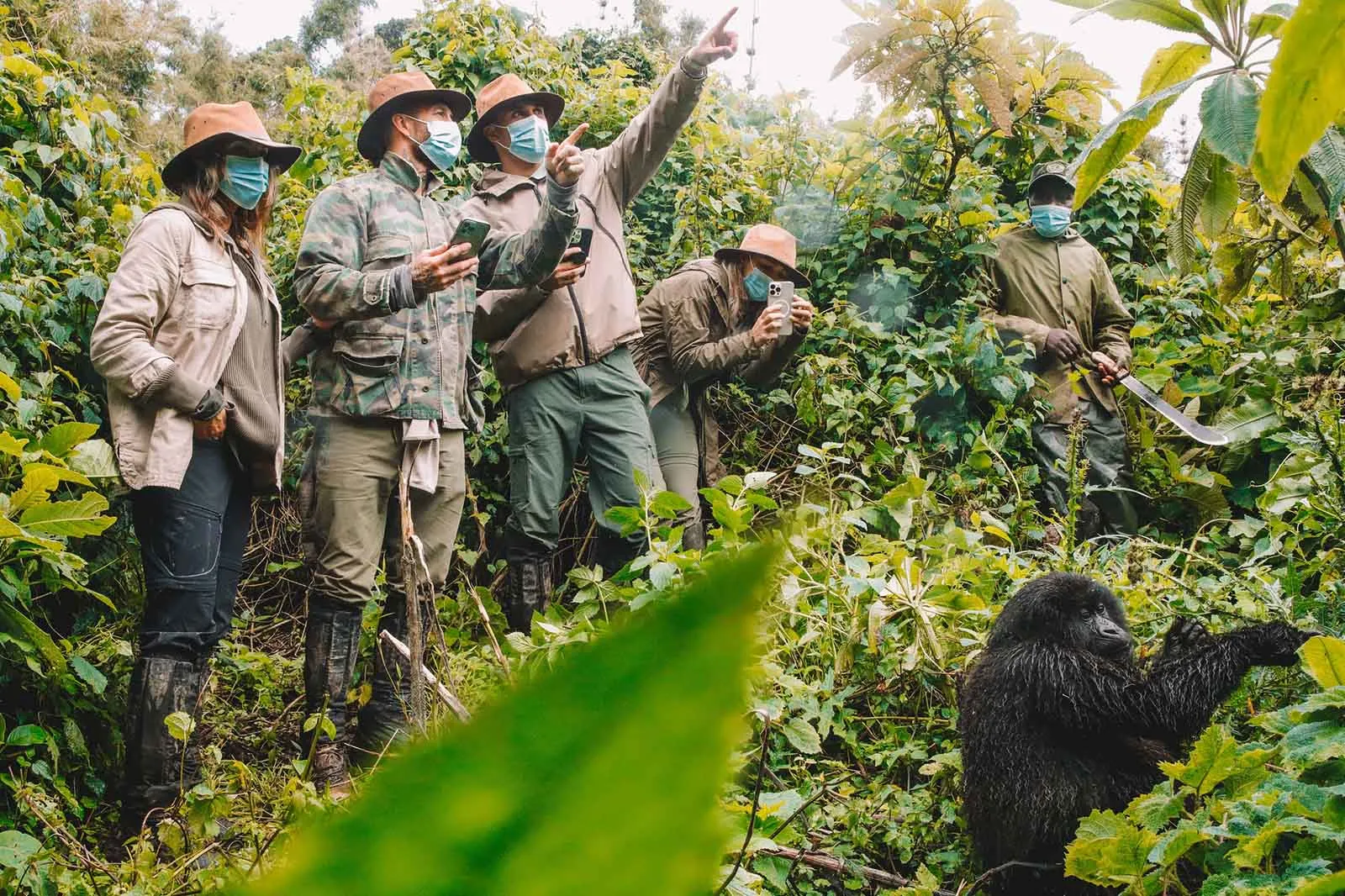
Habituated gorillas used for tourism are specifically selected because they are calm and tolerant of human presence, which greatly reduces risk.
Why Attacks Are So Rare
The main reason gorilla attacks are so uncommon is because of habituation and strict tourism control systems.
Tourism gorilla families are:
- Carefully habituated over many years to human presence
- Continuously monitored by trackers and rangers
- Only opened for tourism once they show stable, calm behavior
In addition, every trek is controlled by:
- Trained armed rangers
- Strict group size limits
- Fixed viewing rules and distance guidelines
- Early tracking teams who locate gorillas before tourists arrive
This system ensures encounters remain predictable and controlled.
What “Aggression” Actually Looks Like
When gorillas do show discomfort, it is usually defensive behavior rather than a true attack.
This may include:
- Chest beating
- Loud vocalizations
- Brief bluff charges (running toward a group and stopping short)
In most cases, these behaviors are warnings rather than attempts to cause harm, and they are quickly managed by rangers.
Physical contact or sustained attacks on tourists in regulated trekking areas are not part of modern documented tourism records.
Real Risk vs Perceived Risk
The perceived danger of gorilla trekking is much higher than the actual risk.
In reality, the most common risks are not gorilla-related but environmental:
- Slipping on muddy or steep terrain
- Fatigue from long hikes
- Wet or slippery forest conditions
- Minor scrapes from vegetation
These are typical hiking risks rather than wildlife threats.
Why Gorillas Are Not Natural Aggressors Toward Humans
Mountain gorillas are:
- Herbivores that feed mainly on vegetation
- Naturally non-predatory toward humans
- Highly social animals that avoid unnecessary conflict
They do not hunt humans and generally avoid confrontation unless they feel threatened or cornered.
Most trekking encounters involve gorillas feeding, resting, or interacting within their group while largely ignoring visitors.
Why Safety Levels Are So High
Gorilla trekking safety is the result of strict conservation management systems, including:
Only habituated gorilla groups being visited
Small, controlled trekking groups
Mandatory ranger supervision
One-hour viewing limit
Health screening to protect gorillas from disease
These combined measures significantly reduce any chance of aggressive incidents.
Can a Gorilla Attack Happen at All?
In theory, wild animals always carry some level of unpredictability. Gorillas are extremely strong and could cause serious harm if severely provoked.
However, in practical terms:
- Documented attacks on tourists during official guided treks are not part of modern records
- Rare defensive behaviors are quickly controlled by rangers
- Proper adherence to rules makes escalation highly unlikely
So while the risk cannot be described as zero in a theoretical sense, it is extremely low in real-world tourism practice.
Gorilla safaris are not dangerous in terms of gorilla attacks on tourists. Real-world evidence from decades of regulated tourism shows no verified fatal attacks during official treks and only extremely rare defensive incidents that are quickly managed.
The true risks in gorilla trekking are physical and environmental, not wildlife aggression. When rules are followed and rangers are respected, gorilla trekking remains one of the safest and most controlled wildlife experiences in Africa.